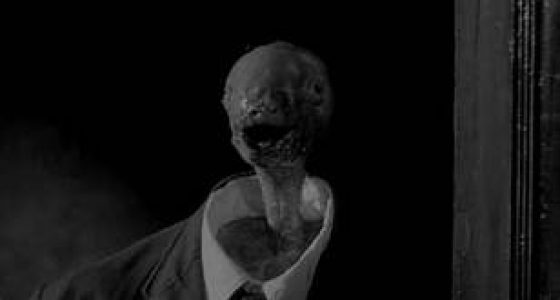
That thing I did the other day (day? week? month? what is time anymore) going through my favorite films of all time was a lot of fun for me to do, so I’m just going to keep going in that vein and rank my personal favorite directors. Will it be 52 directors, like it was for films? No. It shall be 24. Why 24? Look man I don’t know that’s just how many I wanted to write about. So here. Here are some directors I really like, plus their best film, my favorite of their films, the best moment in one of their films, and why they rule. Enjoy.
24- Michael Powell and Emeric Pressburger

Best film: The Red Shoes
Favorite film: The Red Shoes. That’s just why they’re here.
Best moment: The titular ballet sequence in, you guessed it, Black Narcissus. No, wait. That was in Red Shoes too.
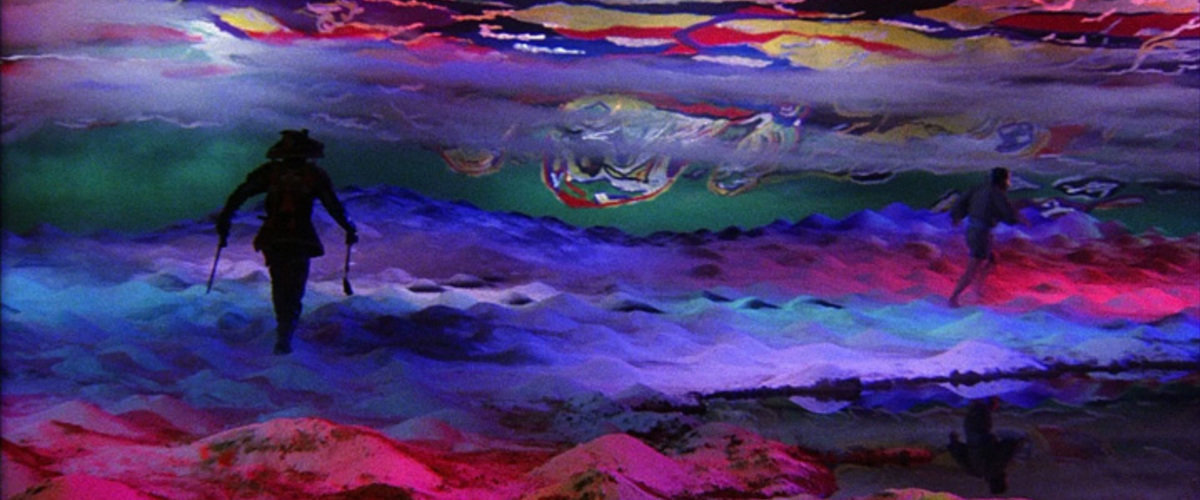
Why they rule: I deliberated for a while (like 45 seconds) on whether or not the archers deserved a spot on this list. This is due to the somewhat inconvenient fact that I have only seen two of their films, Black Narcissus and, uh, what was the name of the other one? Anyway, the reason they are here is that both of those films just happen to be complete masterpieces (although one is more so than the other), and I’m in love with their style. Jack Cardiff’s glorious technicolor cinematography combined with absolutely brilliant writing, ingenious characters, and gut wrenching emotionality makes them an easy sell to me. I’m constantly wanting to watch more of their stuff. And seriously, look at this. From 1947. This is a Jack Cardiff appreciation post now.


Unfair. And those are all from the one that ISN’T an earth-shattering super-masterpiece. Just a regular masterpiece.
23- Brian De Palma
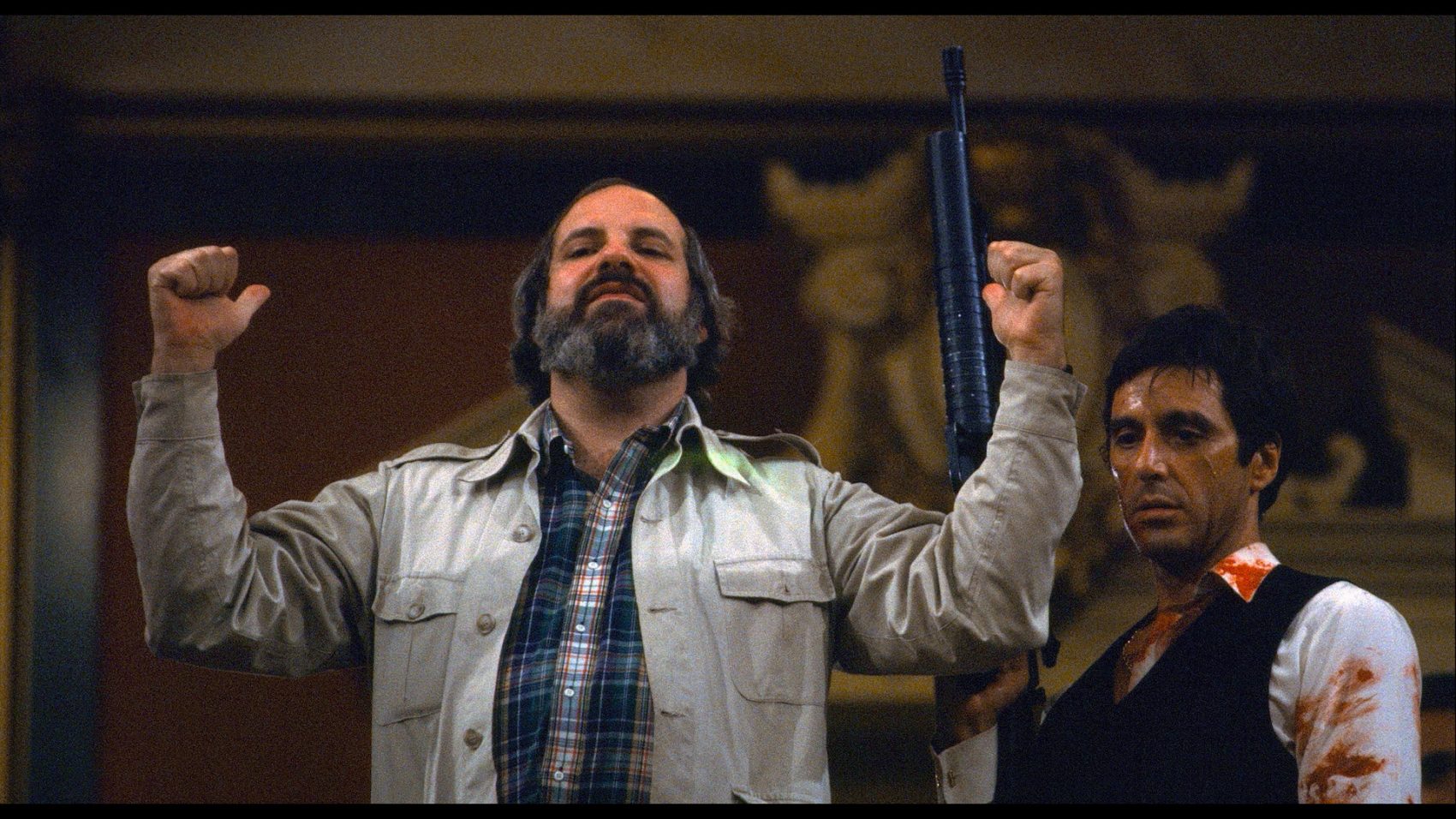
Best film: Blow Out
Favorite film: Blow Out
Best moment: “Now that’s a scream”. From Blow Out.
Why he rules: Blow Out. I’m not even kidding. De Palma is not on this list if it isn’t for the absolute legendary film that is Blow Out. Now, if I had just seen Blow Out, he also wouldn’t be here. It helps that his greatest achievement and one of the greatest achievements is buttressed in his filmography by the likes of Scarface, The Untouchables, and Carrie. The style and sheer cool that exudes from these films is ridiculous. Robert De Niro’s indelible Al Capone. Carrie’s prom meltdown. Just everything about Pacino in Scarface. The amount of iconic stuff in De Palma’s films is unparalleled, even from movies that are not Blow Out.
22- Jean Renoir

Best film: You know what? With all due respect to his consensus masterpiece The Rules of the Game, Grand Illusion is better.
Favorite film: Grand Illusion.
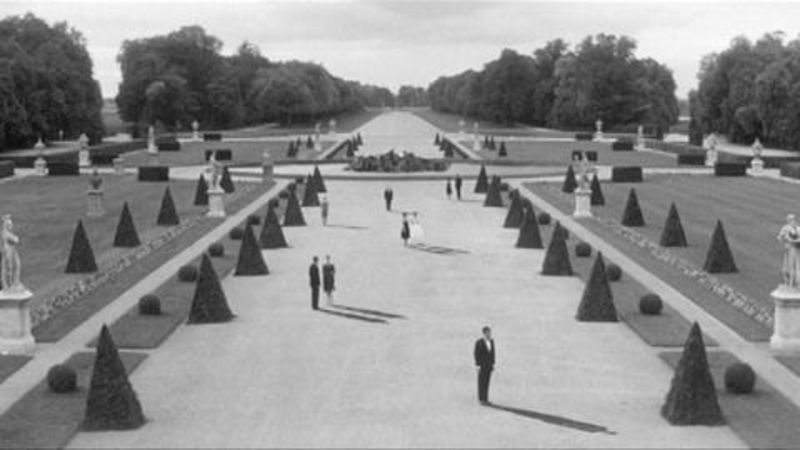
Best moment: Either the prison break in Grand Illusion or the very final scene in A Day in the Country.
Why he rules: Renoir’s films are both deeply affecting and continually relevant in terms of social commentary. His recurring themes are some of my favorite to talk about- the irrational division that runs through his work is his reaction to what he viewed as a society that bred it. Each of his films can be read as a rallying cry against conformity. They’re beautifully shot, immaculately performed, and decidedly austere punk rock. His masterpieces leave you absolutely reeling, struggling to fully comprehend the greatness of what you’ve seen. Absolutely singular.
21- Bong Joon-Ho
Best film: Parasite
Favorite film: So, so, sorry Okja, but it’s Parasite. Gee, the fact that this is the fourth straight one in which they were both the same is really undermining the point I wanted to make about how indisputably great The Red Shoes is.
Best moment: Parasite’s peach sequence. Although I have to give a shoutout to the scene Snowpiercer in which Chris Evans, through sobs, talks about how great babies taste. Cinema.
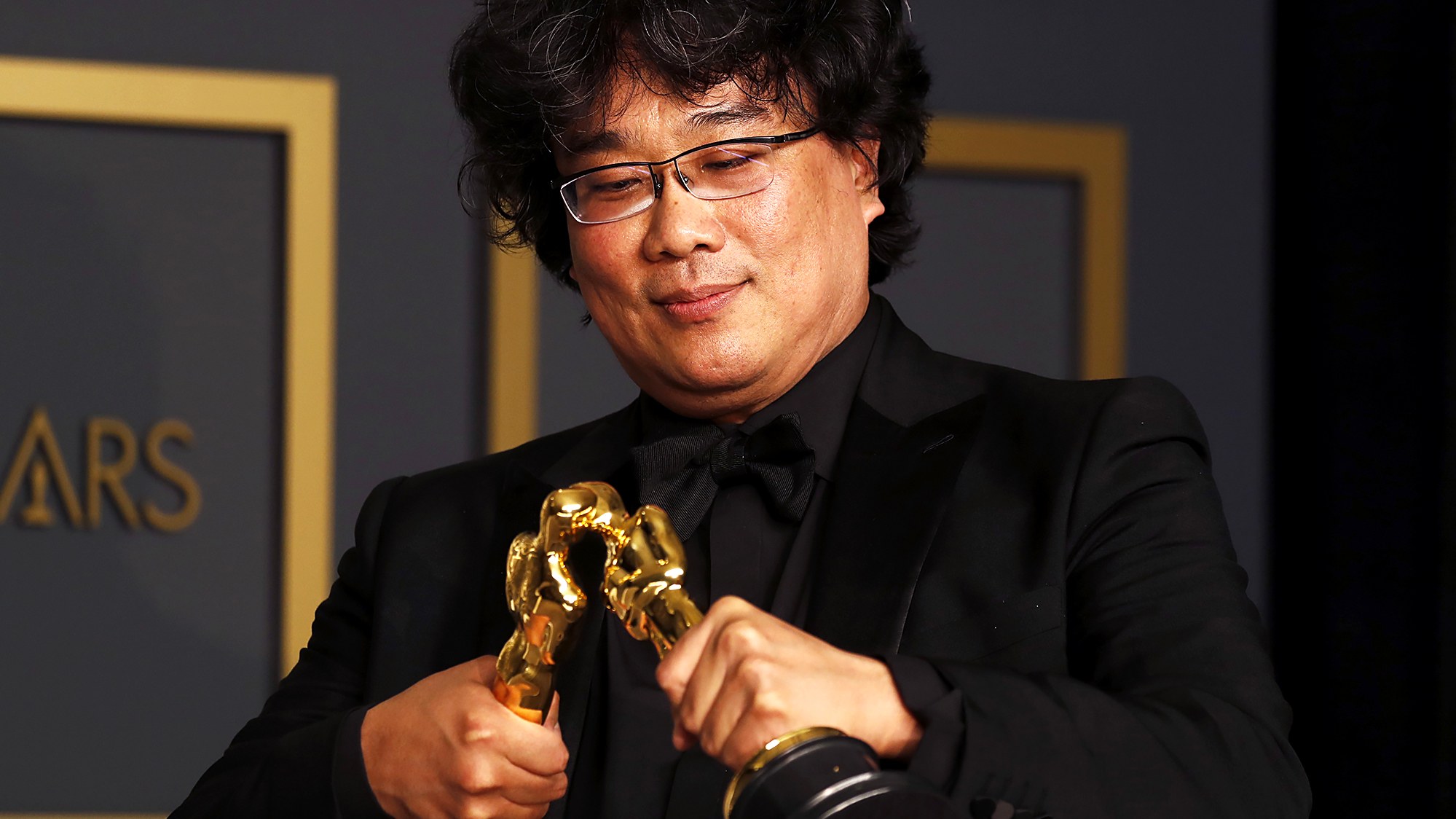
Why he rules: Oh I’m sorry, did I write Bong Joon-Ho? I meant to write FOUR TIME ACADEMY AWARD WINNER BONG JOON-HO. If you want proof of Bong’s greatness, go watch his Oscar speeches. See what a great and likable person he is. Then go watch one of his angry, dark, oppressively sad masterpieces. Impressive duality. Anyway, Bong’s four (FOUR!) Oscar wins couldn’t have happened to a more interesting or deserving director. His tone hopping and genre defying films are unlike anything. They’ll make you laugh, they’ll make you cry, they’ll instill you with both raw societal dread and the sensation of watching a truly flawless work of art. And come on. How can you not love someone who says things like “Perhaps this is something the western audience could also take part in” when talking about subtitles. Plus, his preferred movie seat choice is back middle, which is objectively correct. What a god.
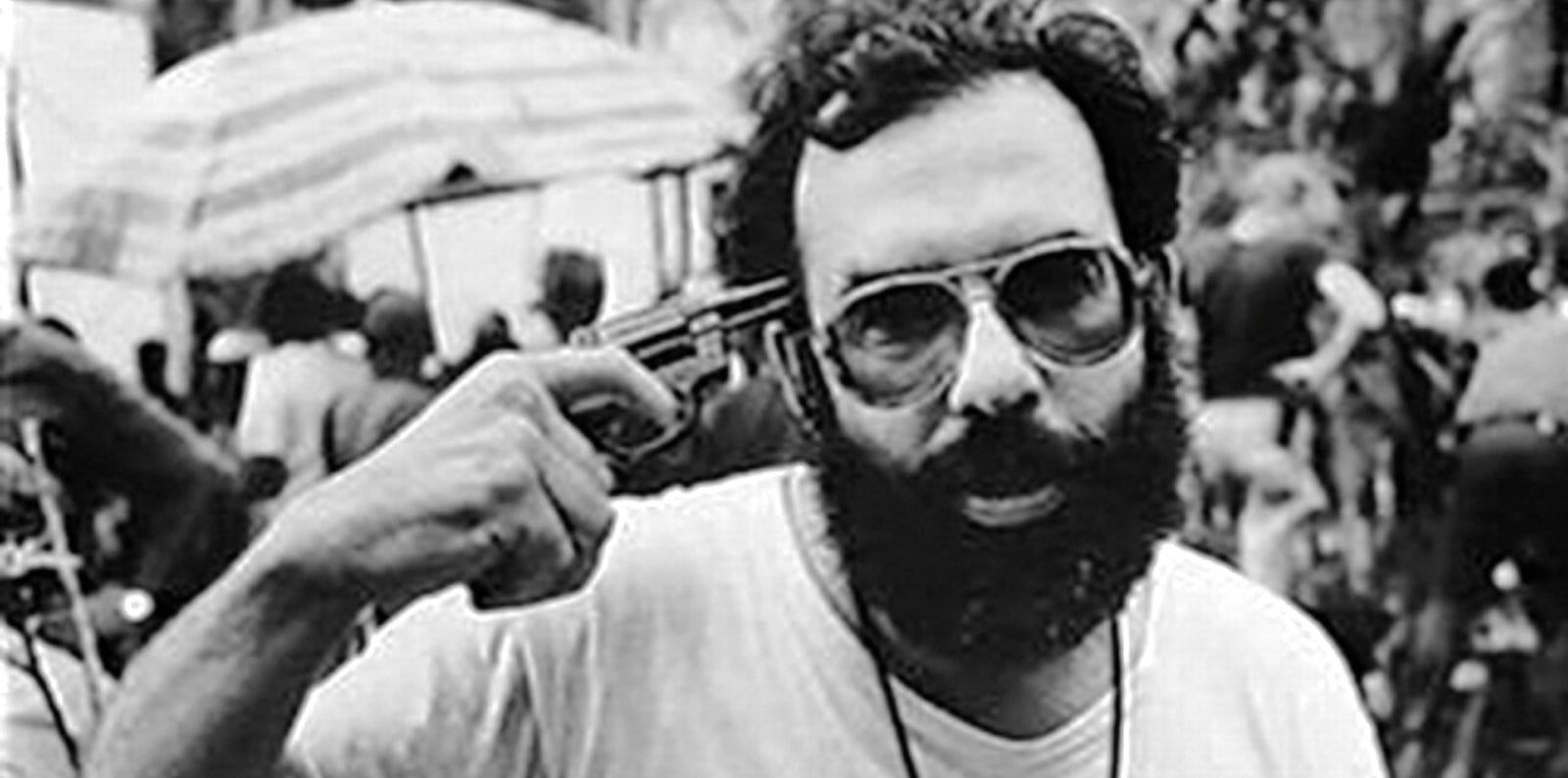
20- Francis Ford Coppola
Best film: uuuuuuggggghhhhhh. Apocalypse Now.
Favorite film: The Godfather
Best moment: Ooh. Going against the balcony scene in The Conversation feels wrong, but there’s absolutely no other answer besides the climax of The Godfather, in which Michael’s murders of his opponents are intercut with a scene of him baptizing Connie’s child.
Why he rules: The greatest run in cinematic history? Churning out The Godfather, The Conversation, The Godfather 2, and Apocalypse Now back-to-back-to-back-to-back is the kind of unfathomable and unmatched achievement that earns FFC a place among the all time greats, even if he’s done little to nothing since to back up that placement. That 70s streak produced four of the greatest films in American history, and ones that I adore. Special shoutout to The Conversation, easily the weakest of the four masterworks, for containing my single favorite theme in cinematic history.
19- Hayao Miyazaki

Best film: Spirited Away
Favorite film: Spirited Away
Best moment: Princess Mononoke’s climactic battle is stunning.
Why he rules: The very best at what he does (yeah present tense, don’t try to tell me he’s retired). Miyazaki is anime’s most well-known director for good reason. His films can be uplifting, like the sublime Kiki’s Delivery Service, or devastating, like the brilliant Princess Mononoke. Or they can be remarkable, unbelievable combinations of the two, like in his masterpiece Spirited Away. Angry and wonderful simultaneously, Miyazaki’s work is is incredible, that of a truly complete artist. One of the true visionaries, and the rare one who, you get the sense, executes his vision to its full extent.
18- Steven Spielberg

Best film: Schindler’s List
Favorite film: Jurassic Park, or maybe Catch Me If You Can. Or, you know, Jaws.
Best moment: Saving Private Ryan’s opening D-Day sequence is rightfully legendary. The rest of the movie is also great, even if the ending is dumb.
Why he rules: I feel like Spielberg is one of the biggest reasons for my love of film. Loving Jurassic Park when I was younger was one of the first times I truly loved a movie. Seeing things like Schindler’s List and Saving Private Ryan when I had started to realize my movie obsession further cemented it. Stuff like Minority Report and Catch Me If You Can makes for great recent first watches I can never believe I hadn’t seen sooner. Spielberg’s work is immortal, it’s universal, and the thing that gets lost in his celebrity is that he’s brilliant.
17- David Cronenberg
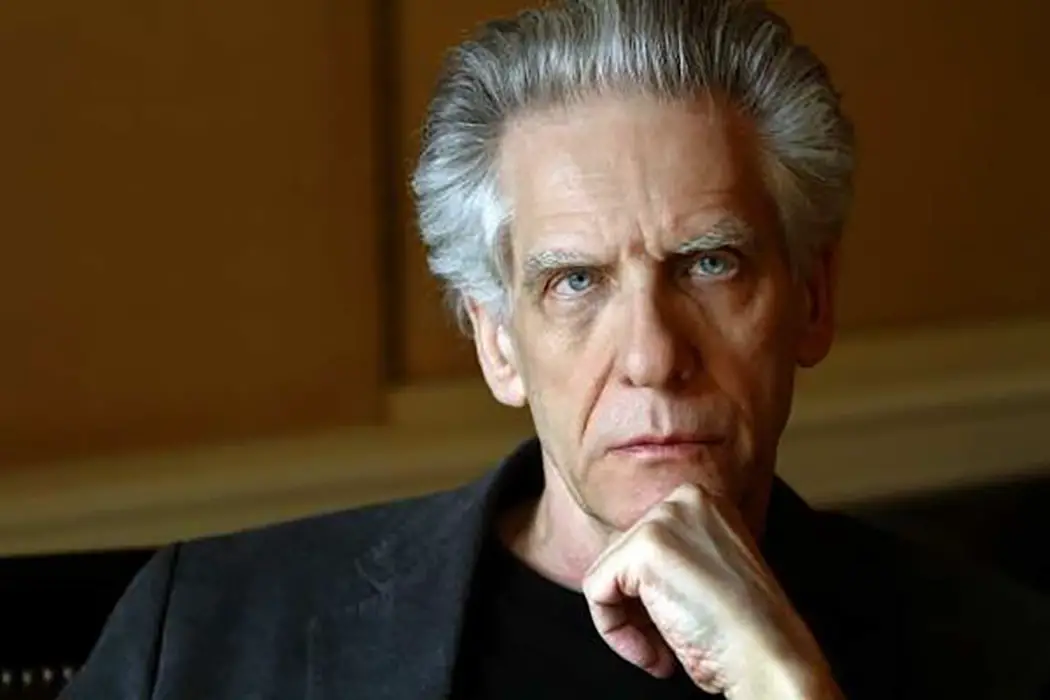
Best film: The Fly, right? Objectively, I think yes, but Videodrome feels so much like the quintessential Cronenberg to the point where it deserves a mention here.
Favorite film: Eastern Promises
Best moment: That bath house fight in Eastern Promises. That’s a type of filmmaking I had never seen before and haven’t since.
Why he rules: Yeah, he looks like the type of weirdo who makes this type of movie. Cronenberg’s films are aggressively visceral, marked by an obsession with flesh, bloodshed, humanity, and how these all connect. These are tough films to watch and tough films to analyze, but they are so rich and so entertaining. The Fly is an absolute masterpiece of horror that also happens to be an operatic melodrama (which he did turn into an opera). Videodrome is gross as hell, but the whole point is that it’s gross as hell, it’s a commentary on being gross as hell. A Cronenberg film is levels of meta upon meta, it’s deeply layered and imbued with meaning. These are not films for everyone, but they are beautiful in a perverse, broken way.
16- Yorgos Lanthimos
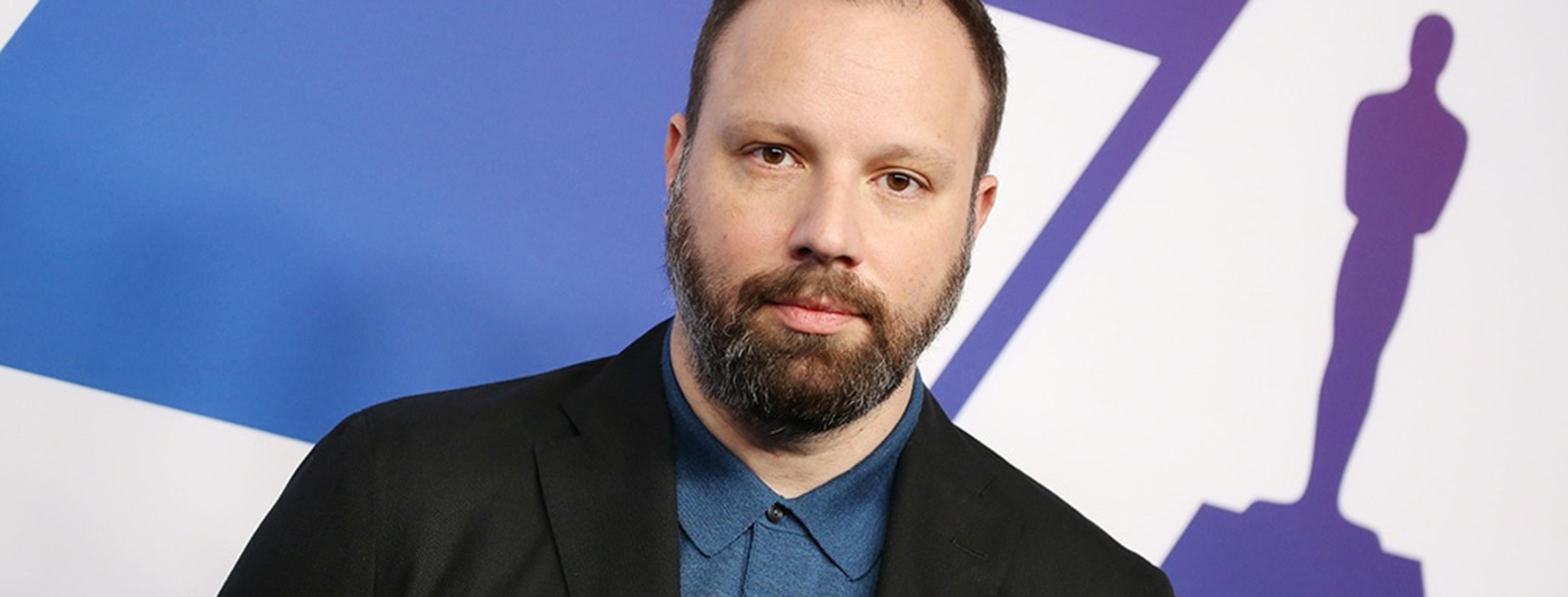
Best film: The Lobster
Favorite film: The Lobster
Best moment: I can’t pick one single moment from The Lobster, although the ending is pretty ridiculously great, or from The Favourite, so my pick is from The Killing of a Sacred Deer. It’s the scene where Colin Farrell blindfolds himself and lets fate decide the solution to his problem.
Why he rules: Lanthimos is an unclassifiable weirdo who makes unclassifiable weirdo movies. They’re so shot through with uncomfortable and dark humor, pervasive melancholy, and such a singular oddity that they’re easy to love if you like weird movies, which I do. A Yorgos film is a strange occurrence. They’re brilliant mood pieces that relate to no mood known to man. They’re just remarkable. In certain instances, nothing hits the spot quite like Lanthimos’ work. Plus, the man made The Lobster, one of my absolute favorite films.
15- Claire Denis

Best film: Beau Travail
Favorite film: U.S. Go Home
Best moment: THIS IS THE RHYTHM OF THE NIGHT.
For real let’s talk about this freaking scene. This has no business being as masterful as it is. It’s just Denis Lavant dancing ridiculously, to a bad song, in a way that goes completely contrary to the slow and serious tone of the film. And yet it works. It’s absolutely unforgettable. It’s a perfect ending to a perfect film.
Why she rules: Denis is a definite artiste, a filmmaker whose work is so difficult and inaccessible that it really does make sense that she isn’t widely popular. But oh my god is she great. Her films are ones that refuse to leave your mind. Their deliberate pacing and decidedly bleak ideology makes them hard to watch, but at the close of one it feels as if you’ve gone through a legitimately religious experience. Her films are so well made, so well acted, and so utterly brilliant. She’s one of the absolute greatest working directors, and her newfound collaboration with Robert Pattinson is a dream pairing. I can’t wait for that next one.
14- Wes Anderson

Best film: The Grand Budapest Hotel
Favorite film: Ooh. Grand Budapest, I think.
Best moment: “Nobody move. Everybody’s under arrest”.
Why he rules: Oh man the style. Nobody ever has been more committed to his or her idiom than Wes Anderson, and it is wonderful. Wes’s films are so highly stylized that even the ones that aren’t very good (hello, Darjeeling Limited) are still watchable and even enjoyable. His cabal of actors are always perfectly suited for the material, the visual perfection is always spot on, and the films are always funny. These are just pure cinematic sugar. They’re fun and wonderful and just great. I don’t get people who don’t like them. Who cares if it’s the same movie over and over again? It’s a fantastic one. I cannot wait for The French Dispatch.
13- Ingmar Bergman
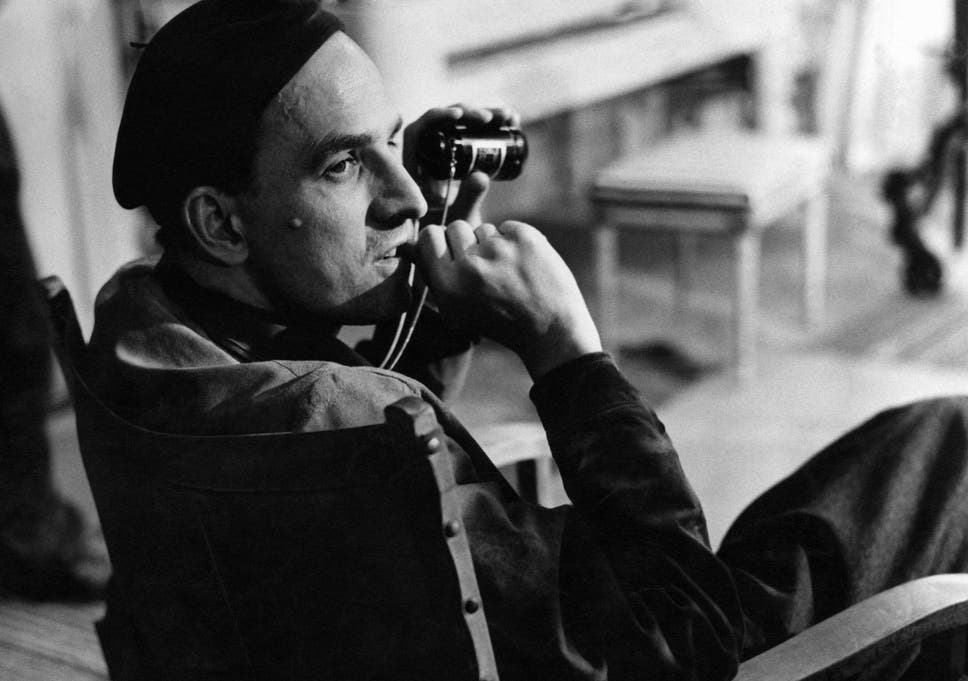
Best film: Persona, but oh man is Wild Strawberries close.
Favorite film: Wild Strawberries, but oh man is Persona close.
Best moment: The opening of The Seventh Seal. Few things are more iconic or just cooler than Max Von Sydow playing chess with death.
Why he rules: Maybe history’s most prodigiously talented filmmaker, Bergman has not one but two films (the ones listed above in best and favorite films) that have legitimate claims to the title of greatest of all time. They’re always fascinating, always flawlessly made, and always unforgettable. A Bergman film is searing and indelible like nothing else. They earn their reputation for heaviness, sure, but that absolutely isn’t a bad thing. Also, the thing nobody ever talks about with Bergman? The humor. The Seventh Seal, the very image of impenetrable foreign film, is actually pretty funny. Bleak and philosophically dense, yes, but fart jokes!
12- Jean-Luc Godard
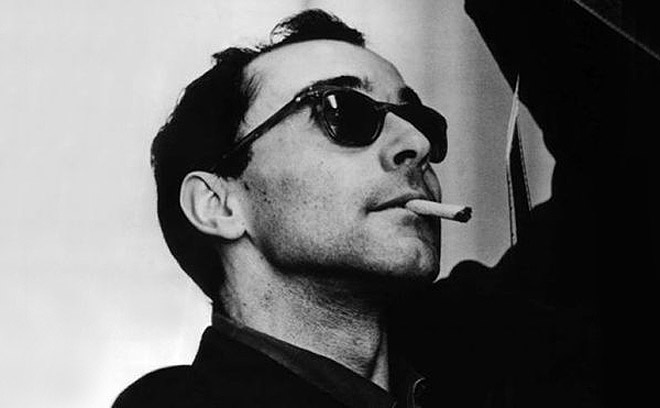
Best film: Breathless. Duh.
Favorite film: Pierrot le Fou
Best moment: It has to be a dance sequence. Vivre Sa Vie’s pool hall scene is a contender, but although it’s a weaker film, Bande a Part gets the win for the Madison scene.
Why he rules: Pretentious? The most. Obnoxious? Oh totally. Genius? One hundred percent. If Bergman’s films are the stereotype of boring foreign films, Godard represents the stereotype of weird arty nonsense, of French films just being people smoking cigarettes, of whatever. It’s hard to talk about why I love Godard without sounding like I’m just buying into the image, but the films really are the image. They’re entertaining, they’re breezy, they’re as fun to watch as they are brilliant in their casualness. The lightness with which Godard characters throw around philosophy is the same attitude with which Godard himself does. It’s rare to see a filmmaker who so philosophizes through his characters. Godard’s worldview is so omnipresent in his work that it’s impossible not to fall for the blend of style and substance, even if the style really is the substance.
11- The Coen Brothers

Best film: Fargo
Favorite film: The Big Lebowksi
Best moment: “What’s the most you’ve ever lost on a coin toss?”
Why they rule: I have seen 14 films by Joel and Ethan Coen and there isn’t one that I would describe as anything less than great. Yes, I haven’t hit the bad stuff, still no Intolerable Cruelty or Ladykillers, but I genuinely love the ones I’ve seen. This includes, by the way, Hail, Caesar!, which is a genuinely fantastic film that people hate because they hate fun. And the highs are so incredibly high: Big Lebowski, No Country, and Fargo are stone cold classics. A Serious Man is almost among that group. Raising Arizona, Miller’s Crossing, and Barton Fink are incredible. Add in the fact that the lower level stuff is tremendous and you have one of the most balanced and consistently great filmographies ever.
10- Stanley Kubrick

Best film: 2001: A Space Odyssey
Favorite film: The Shining
Best moment: It doesn’t get much better than the opening of A Clockwork Orange. The slow pull back, the eerie voiceover narration, the industrially hellish score. It’s the most flawless moment from a career full of them.
Why he rules: There’s not much to say about Kubrick that hasn’t already been said. He’s the greatest visual stylist ever. He was a purveyor of epic narratives that fall into a genre entirely of his own making. His films are experiences, every one of them. They’re also entertaining, impeccably made, and obviously remarkably influential, in addition to possessing a totally marvelous atmosphere that is paralleled by nothing else in existence. It’s Kubrick. What more can I possibly say?
9- Akira Kurosawa

Best film: High and Low (caveat: I have yet to carve out three and a half hours for Seven Samurai. Soon.)
Favorite film: Ikiru
Best moment: Ikiru. In the snow.
Why he rules: A master entertainer, flawless craftsman, and general eternal legend, Kurosawa’s influence can be found in a few things. Like, for instance, every western and also Star Wars. The samurai stuff is all ridiculously fun, and yet it’s beaten by the remarkable contemporarily-set work he turned out on occasion. Ikiru and High and Low are the two best of the films I’ve seen by a lot (and this is no small statement considering how incredible Rashomon is). These are stunning achievements, ones with brilliant social commentary, gripping emotional stakes, and perfect craft. Every single frame of High and Low is an impeccable composition. There’s no point in Ikiru where it’s anything less than fully heartbreaking or wonderfully triumphant, often at the same time. Kurosawa’s work can range from testaments to the human spirit to super entertaining samurai thrillers, and it’s all wonderful.
8- David Lynch

Best film: Mulholland Dr.
Favorite film: Muholland Dr.
Best moment: Mulholland Dr.’s dumpster hobo! No but for real it’s Dennis Hopper’s first appearance in Blue Velvet.
Why he rules: The weirdest of the weirdos on this list by far. Not just in terms of the films, although Eraserhead alone would take that title. Lynch is a bona fide strange man, this is clear if you’ve ever seen him talk. Or if you’ve seen the delightful short recently dropped on Netflix, What Did Jack Do?. Lynch’s absurdity is half of why he’s so brilliant, the other is simply how good he is. He’s formally brilliant, and a perfectly tailored writer for furthering the purpose of his oddness. All of his craft is geared towards this end, towards making sure that this weirdness is supported by good enough quality to stand on. He has endless imitators, but he’s the only person who can fully nail his style.
7- Paul Thomas Anderson

Best film: There Will Be Blood
Favorite film: Boogie Nights
Best moment: I. DRINK. YOUR. MILKSHAKE.
Why he rules: A perfect hybrid of technical brilliance and skill with his actors, PTA is one of our great modern talents, and this is evident in every one of his films. They’re all bold works of art, totally unique and trailblazing originals that feature totally different reasons for their greatness. He’s versatile, with work ranging from sprawling epics to tiny character studies. He’s consistent, turning out masterpiece after masterpiece. He’s important, having made some of the most notable films of his age. And the movies themselves are compulsively watchable as much as they’re able to be studied and analyzed. He’s just relentlessly brilliant. Seriously, who else could’ve made Phantom Thread work as well as it does? Maybe just Scorsese? Maybe not even him?
6- Wong Kar-Wai

Best film: In the Mood for Love
Favorite film: Chungking Express
Best moment: I have no idea how many times on this blog I’ve talked about my love of the ending of Fallen Angels, so this may sounds repetitive, but it’s that.
Why he rules: A totally singular stylist whose films also contain more substance than most other filmmakers could ever dream of. If this list has made nothing else clear, it should’ve indicated that I love directors with unique styles, and Wong is among the very best of the bunch. Bold colors, liberal use of slo mo, Christopher Doyle’s all-time-greatest cinematography, totally unique use of music. It all combines in Wong’s films to create works of melancholy and daring hope, stories that still pop into my mind at random moments. Wong’s work lingers like nobody else’s, and to call that his defining characteristic does a disservice to how wonderful the films are to actually watch.
5- Pedro Almodovar

Best film: Talk to Her
Favorite film: All About my Mother or Pain and Glory
Best moment: The bookending opera scenes in Talk to Her. Technically two moments, but who cares.
Why he rules: Style! Almodovar’s bold and bombastic nature is a breath of fresh air in every one of his films. They’re amazing to watch: they can range in scope from tragic to life affirming, usually spanning the entire spectrum in one film. Talk to Her is one of the greatest films of the 21st century, and Pain and Glory is one of the most religious experiences I’ve ever had in a movie theater. He also displays a remarkable skill with his actors, although it helps that he works with talents as brilliant as the likes of Penelope Cruz and Antonio Banderas (ROBBED of that Oscar for Pain and Glory). At the end of the day, a film by Almodovar instills a feeling in me like no other, and that’s invaluable.
4- Alfred Hitchcock
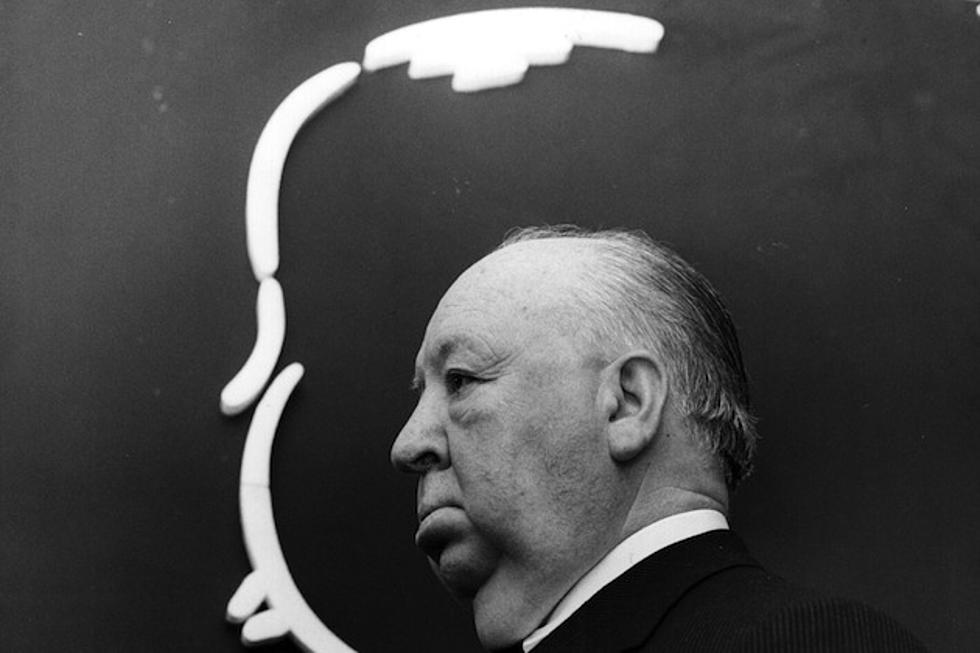
Best film: Vertigo
Favorite film: Psycho
Best moment: Come on. Shower scene.
Why he rules: The master of suspense. The first horror director. Hitchcock is incredible because he made films that remain more entertaining and well done than everything that followed. His work is so well known that he’s become the largest household name of any filmmaker from his era. He’s an icon. A legend. An image of the straw man of Old Movies. And deservingly so. The films are remarkable. When he was at the top of his game he was untouchable. Vertigo, Psycho, Rear Window These are strokes of absolute genius. Enduring classics that set the tone for everyone who decided to follow in Hitch’s footsteps. And they are just so fun to watch.
3- Quentin Tarantino

Best film: Pulp Fiction
Favorite film: Pulp Fiction
Best moment: Speaking of scenes I’ve no doubt run into the ground on this blog:
Why he rules: For someone who so shamelessly and openly steals from what has come before him, Tarantino has a way of making his work feel fresh. This is also the case considering he keeps recycling the same basic ideas and styles. This is not a complaint- the man has his niche, he knows he’s great when he’s in it, and he just churns out remarkable entertainment that conveniently doubles as high art under the surface of pulp. He has made films that have been absolutely formative experiences for my love of movies, and ones that I continue to love and watch obsessively. I can’t wait for whatever the hell film number 10 ends up being, as long as it isn’t Star Trek.
2- John Carpenter
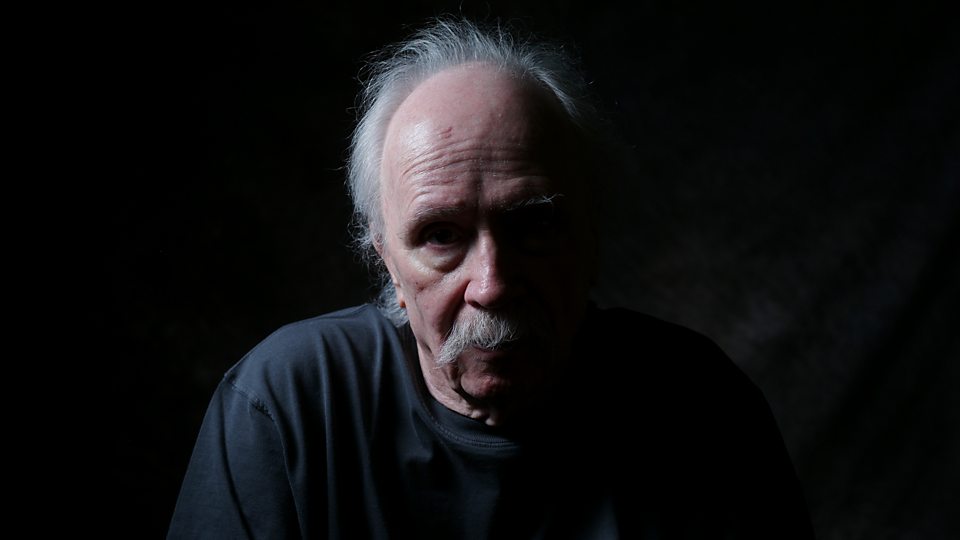
Best film: Halloween
Favorite film: CUE THE GODAWFULL MUSIC.
That is the song that plays over the closing credits of Big Trouble in Little China, sung by the Coup De Villes, horror cinema’s greatest rock band (nope. Sorry. Goblin. Can’t believe there was an actual answer). The Coup de Villes were made up of Carpenter himself, Nick Castle (who played Michael Myers in the original Halloween, and Tommy Lee Wallace (who directed, among other things, the legendarily insane Halloween III: Season of the Witch and the possibly nonexistent sequel to Carpenter’s Vampires). All very talented people. Who suck as a band.
Best moment: Oh man. Is it the blood test in The Thing? Is it the ending of The Thing? Is it the ending of In the Mouth of Madness? Is it the dream/vision in Prince of Darkness? It’s actually Roddy Piper’s iconic They Live declaration:
Why he rules: The films of John Carpenter may not exactly be Bergman. There are more sophisticated directors to love. But there are exactly zero who are more entertaining. Every Carpenter film is a relentless good time, whether it’s a horror movie, an action film, or whatever on earth Big Trouble in Little China is. They’re also uniformly well made, well acted, yada yada he’s incredible. I could regurgitate the stuff I’ve said about the formal excellence of every other filmmaker on this list, and it’d all be true, but there’s something about that that’s just unfitting of the master of horror. Carpenter is a king among men, a consistently awesome filmmaker who also happens to compose the (fantastic) scores to his films. Seriously, the only thing as impressive as making Halloween is making Halloween and creating the iconic theme.
1- Martin Scorsese

Best film: Goodfellas
Favorite film (of all time): Goodfellas
Best moment: It really bothers me that there’s no way to type the opening to Harry Nilsson’s “Jump into the fire”.

Why he rules: So we come to the end of the list. A foregone conclusion. The king of cinema. The greatest living filmmaker. The greatest American director of all time. A man who, in addition to creating countless classics, has worked tirelessly to preserve and restore obscure films from around the world. But none of that even matters for the purpose of this exercise. Martin Scorsese made Goodfellas, which is why he’s at the top of this list. The other stuff just solidifies something that I’m not trying to measure here: the combination of endless range, masterpiece after masterpiece, and devotion to the art form makes Martin Scorsese, simply put, the King of Movies. And not one that has to choose between being king for a day or schmuck for a lifetime. An icon deserving of his stature. A living legend who’s still putting out some of the best work we’ve seen from him. The greatest ever.



 The Movie Files