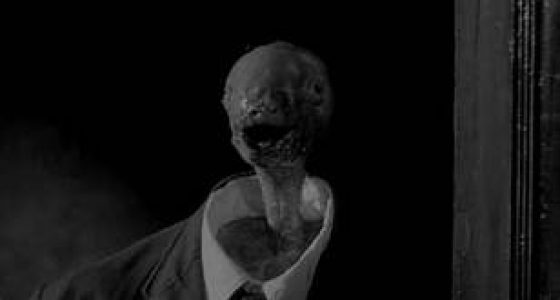
In celebration of the Goodfellas “May 11th 1980” scene

a.k.a. DJ AFOS: A Blog by J. John Aquino: "Rock Box" Track of the ...

Today is Monday, May 11th, 2020. 40 years ago today was Sunday, May 11th, 1980, also known as Henry Hill’s terrible horrible no-good very bad day in Goodfellas. In reality, Hill was arrested a few weeks before May 11th, and the film just chose to relocate the date. Why? Because it’s Goodfellas, a film that can do whatever it wants simply in the name of being Goodfellas. It’s a movie that can randomly change the date of an event it portrays and have people marking the made-up day instead of the real one three decades after its release. It’s a movie that can create an indelible moment celebrated by fans out of white text on a black background and the first few notes of a Harry Nilsson song. The May 11th sequence in Goodfellas is the stuff of legend because it’s so good and because it’s a microcosm of the entire movie’s bravura filmmaking and magnificently entertaining construction. It’s Martin Scorsese’s finest moment as a director, Thelma Schoonmaker’s finest moment as an editor, and Harry Nilsson’s best moment as a contributor of music to films (sorry, Borat. And I guess Midnight Cowboy). So in honor of Goodfellas day, helicopter day, lucky hat day, or whatever other monikers may be applied to it, here’s a deep dive into one of the most incredible scenes in the last 30 years of film.

As I have mentioned many, many times on this blog, Goodfellas is my single favorite movie. Any assessment I make of it is rooted first and foremost in the fact that it’s an important film to me personally, so take my opinion here with a proper consideration of that bias. With that said, it’s objectively unquestionable that Goodfellas is the single most important work of American art since the inception of the country. It’s narratively flawless. It’s impeccably acted. It’s put together with the assurance of a master creating his masterpiece and loving every minute of it. This is the pinnacle of what popular art can be. In the ensuing decades it’s become harder to find something this publicly adored that’s made with this level of audacity, a trend that Scorsese himself has lamented to endless controversy. Goodfellas runs for 2 hours and 25 minutes and every single one of them is necessary and entertaining. But about 10 of these stand apart from the rest in terms of quality and continued prevalence. Enough introduction. Let’s talk the major players in this scene:

Ray Liotta
Ray Liotta May Return To Mob Life By Joining The 'Sopranos' Prequel

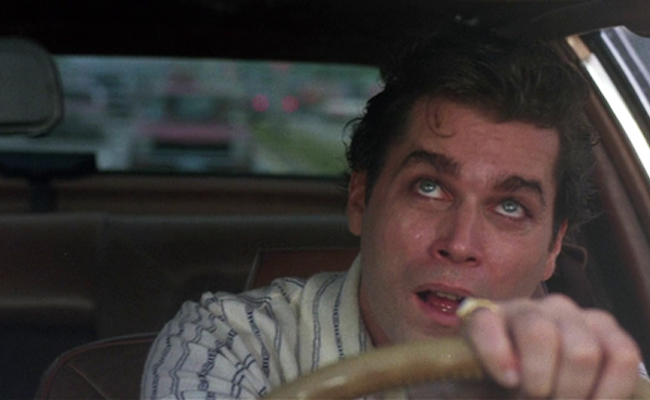
The May 11th sequence stands apart from the rest of Goodfellas in an interesting way: the main character is really at the forefront. For most of the film, Liotta’s Henry Hill is certainly a major presence, but his role is much more subdued than the grandstanding work done by Joe Pesci and Robert De Niro, he exists as an observer, the audience’s gateway into his world. Sure, he’s a pretty active member of the plot and he’s in almost every scene, but he’s rarely at the center of the action. But on the morning of May 11th, Hill steps behind the wheel of his car and Liotta finally gets to show off. His voiceover accompanies the scene as it has for the whole of the film, and here it works perfectly to guide the viewer through what’s going on in a way that fits the scene’s rushed tone. But Liotta’s on-screen acting here is the best it gets. The scene on his part consists of staring into the sky and looking very sweaty, and he absolutely nails it in ways that shouldn’t even be possible. He’s the embodiment of drugged-out paranoia. Every glance up at the possibly nonexistent helicopter is sold brilliantly, and while a lot of credit has to go to the makeup department for delivering on the requisite look for the scene, Liotta delivers the behavior to match it. If Goodfellas is to be taken as the story of the rise and fall of Henry Hill, you need to really make the fall spectacular, and he does.

Thelma Schoonmaker

What Can the Iconic Thelma Schoonmaker Teach Us about Editing?

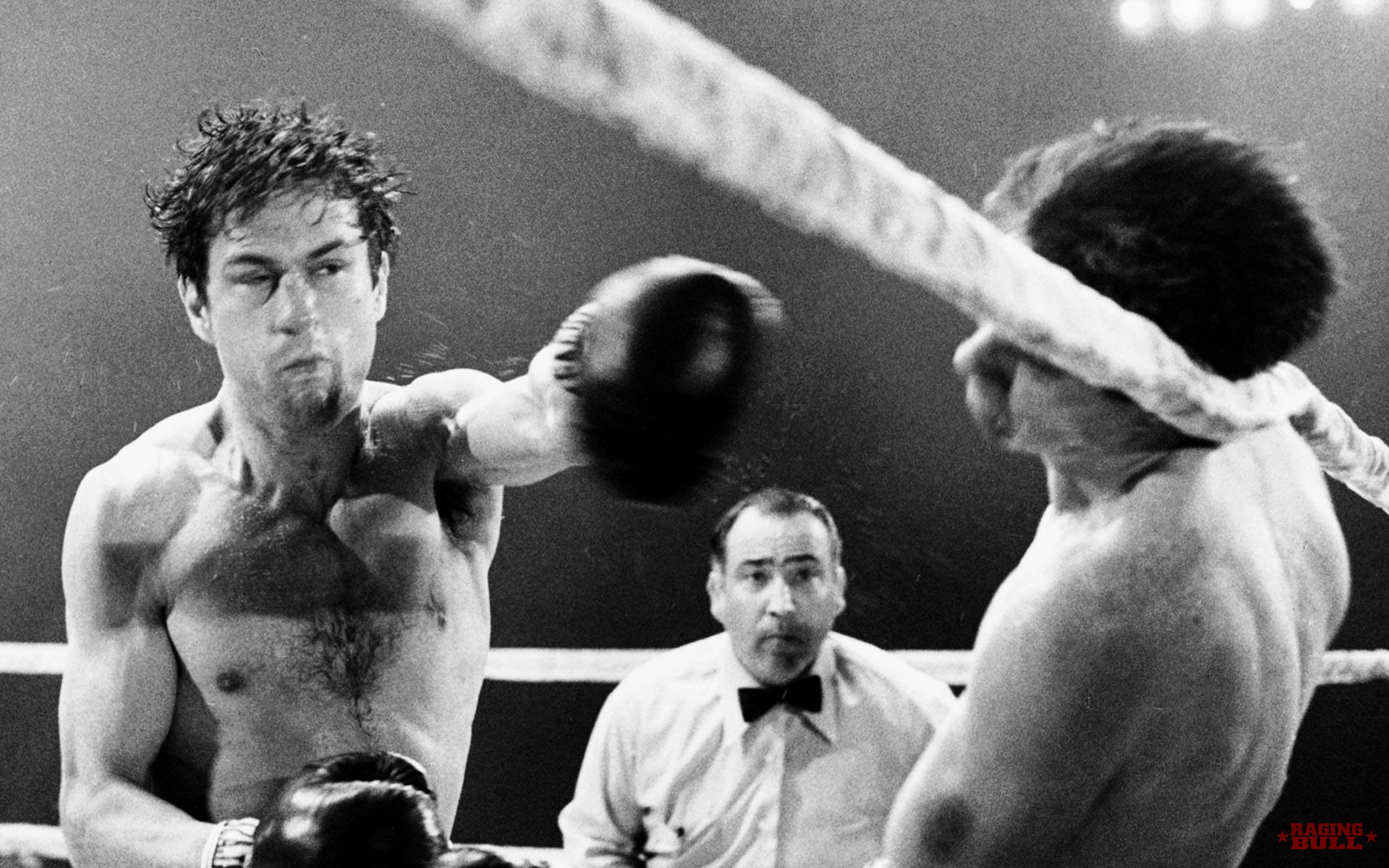
Thelma Schoonmaker is the greatest editor in film history, a fact sure to displease everyone who complained about the length of The Irishman without having any understanding of what a film editor actually does. She edited Scorsese’s debut feature, Who’s That Knocking at My Door in 1967, and has cut all of his films since Raging Bull in 1980. Raging Bull is often cited as her best work and put up as a candidate for the best–edited film of all time, but (biased as I am) I would argue that it’s Goodfellas that deserves those honors. The May 11th sequence is a perfect demonstration of why: while Raging Bull‘s fight sequences are put together with a brutality and skill that immerses the viewer in the fight, this is a scene that’s cut in a way that puts you in Hill’s coked out shoes. The editing in this scene is visionary, and perhaps the greatest disproof of the rule that the best editing is invisible. This is flashy and out-there work, and it 100% works.

Martin Scorsese

The Making Of Martin Scorsese's Goodfellas (1990) - YouTube

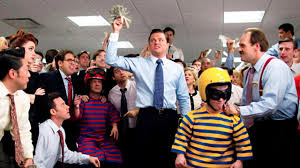
Well, obviously. Scorsese, being the film’s director, clearly had a lot of influence on this scene, and it deserves to be said that it remains the best thing he’s ever done. Sure, the tracking shot through the back of the Copacabana (also in Goodfellas because of course) is a strong contender, and Taxi Driver‘s iconic “You talkin’ to me?” speech is a classic moment, but for my money this takes the cake. You could make a case for Leonardo DiCaprio’s extended crawl to his car in The Wolf of Wall Street or the LaMotta-Robinson fight in Raging Bull, but I believe that this is it. Although you could claim… screw it. Here’s a list of some great moments in Martin Scorsese’s movies that still aren’t as good as this one.

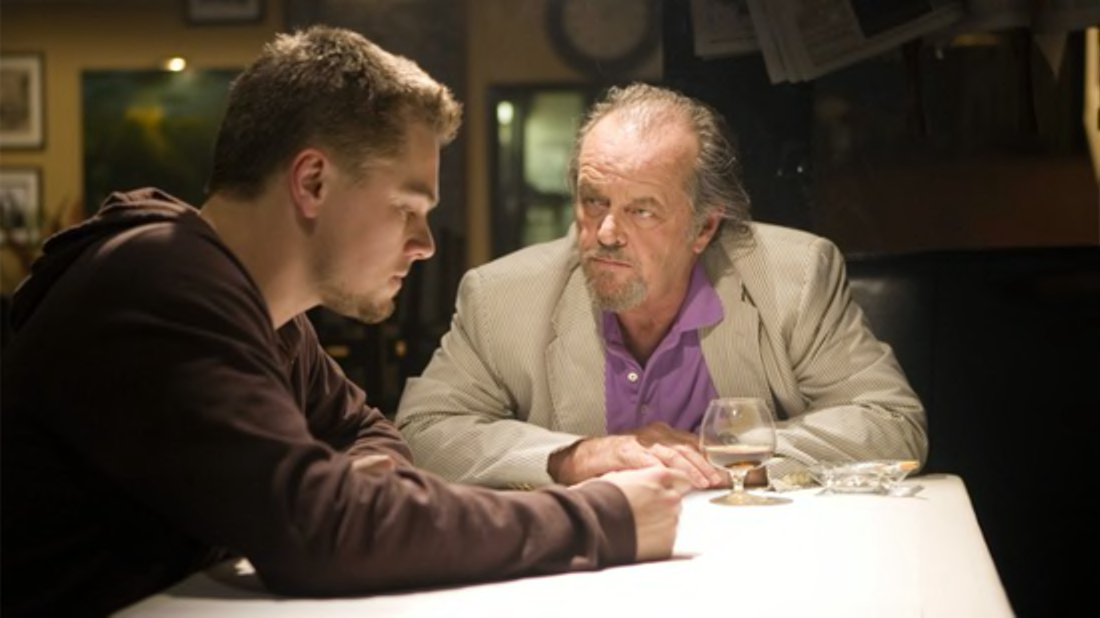
  • The opening 20 minutes or so of The Departed where like the entire first act happens in one long montage and then after that whole thing the title card finally appears
  • The final scene of Shutter Island
  • The pool hall fight in Mean Streets
  • “I’m not leaving”, Wolf of Wall Street again
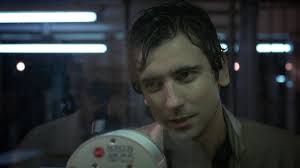
  • Griffin Dunne seeing a murder through a window in After Hours and defeatedly declaring “I’ll probably get blamed for that”
  • De Niro’s frenzied laughing in Cape Fear
  • Al Pacino nonchalantly raising the flag back up to full mast after JFK’s death in The Irishman
  • The rat in The Departed. Fight me.

Sorry about that. Back to the thing I was actually writing.

The soundtrack

Harry Nilsson: Inside the New Podcast, 'Final Sessions' - Rolling ...

The way I see it, there are four things that make this scene work so well. The first three (Liotta’s performance, Schoonmaker’s editing, and Scorsese’s direction) I’ve already mentioned. The fourth is the music. The frantic deployment and constant changing of songs is part of what makes this so iconic, and the songs all fit the tone perfectly. A quick walkthrough:

Jump Into the Fire by Harry Nilsson- Nilsson’s name is the one I’ve mentioned the most times in this post, and he’s also the guy who gets the photo at the head of this section. That’s because this song is the clear MVP of the scene: the opening notes play over the title card, and it comes back in after other songs at two more points in the scene. It has become synonymous with the sequence, it’s impossible not to think of the film every time it’s in a commercial or heard elsewhere. Outside of the “Layla” cue, it’s maybe the most famous use of music in the movie.

Memo from Turner by The Rolling Stones- my tidbit on this one is that Scorsese really likes The Rolling Stones. More on that in a bit.

Magic Bus by The Who- this is a live version of the song, which apparently runs over eight minutes. (Not even trying comedian voice) “wow, that’s so long it might as well be The Irishman!”

Monkey Man by The Rolling Stones- much has been made of Scorsese’s use of “Gimme Shelter” in his gangster films (it appears in Goodfellas, Casino, and The Departed) but “Monkey Man” pulls off what that song could not and shows up twice in the same movie. This is the second occurrence of the song in the film. Other uses of Stones songs in Scorsese’s work include “Jumpin’ Jack Flash” in Mean Streets, “Sweet Virginia”, “Heart of Stone”, and “Can’t you Hear me Knocking” in Casino, and quite a few of their songs in Shine a Light, the 2008 concert movie he directed for them.

What is Life by George Harrison- pretty much the lone basis for my idea that Harrison actually had the best solo career of any ex-Beatle.

Mannish Boy by Muddy Waters- I have nothing to add here beyond saying that the man’s dedication to classic rock is astonishing.

Other random stuff
Background Artists of the Cinema — Doctor (Isiah Whitlock Jr.) in ...

I’ve hit the major aspects of the scene, and limited myself to only 2 diversions where I just started listing stuff from Scorsese movies. So to close out my look back on the scene, here’s some random stuff about it.

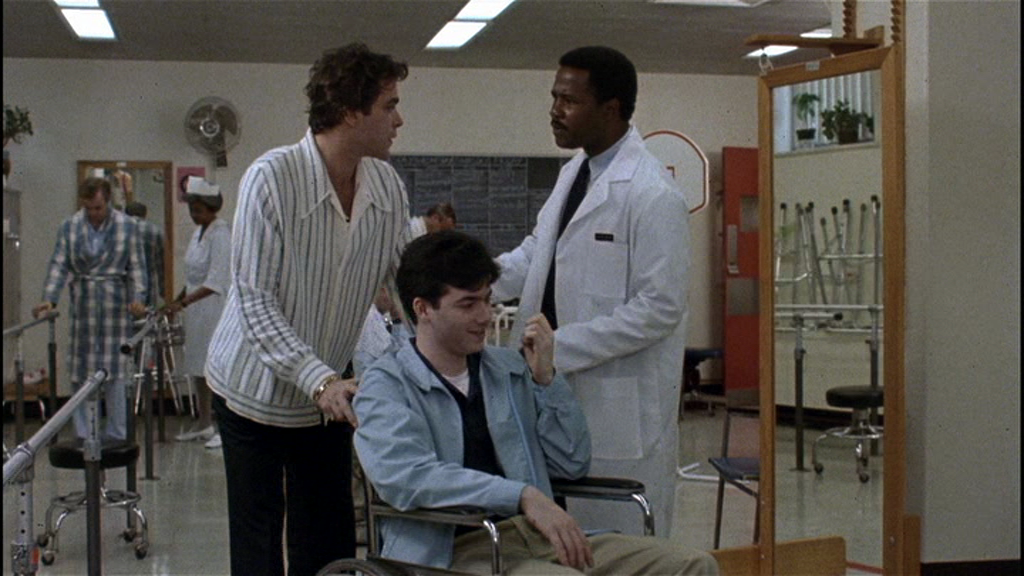
  • The doctor in the above image, who wants to check out Henry and make sure he isn’t about to drop dead, is played by Isiah Whitlock Jr, who later became famous for his portrayal of corrupt politician and profanity artist Clay Davis on The Wire.
  • Welker White plays Lois Byrd in this movie, the babysitter who foolishly calls from the house phone and can’t fly without her lucky hat. In The Irishman, she plays Jo Hoffa, who receives a phone call from De Niro’s character in one of that film’s best moments (This is a tremendous reach of a connection but I can’t really just say “she was in both movies” so this is what I settled on).
  • Apparently Scorsese knew how he wanted to use specific songs from the film years before he made it, which could go a long way towards explaining why there are so many in this sequence: he wanted to fit as many in as possible.
  • The federal agent at the tail end of the scene explaining witness protection to Henry and Karen was played by the real US attorney who dealt with Hill, who improvised his “Don’t give me the babe in the woods routine, Karen” line
  • One of Scorsese’s rules about the soundtrack was that the songs had to have at least some connection to the scene they were used in. So “Jump into the fire”? Well, a major aspect of the scene is Henry cooking dinner (and instructing his brother on sauce-stirring), and the title of the song conjures up the idiom “out of the frying pan, into the fire”. So is the whole thing one big fire metaphor for Henry’s life? Another massive stretch, but this is one I kind of find cool.

Alright. This is more writing than makes sense for a single scene already, so this is it. Or, in Goodfellas terms “and that’s that”. Happy Goodfellas day, everyone. (Cue Sid Vicious’ “My Way”)
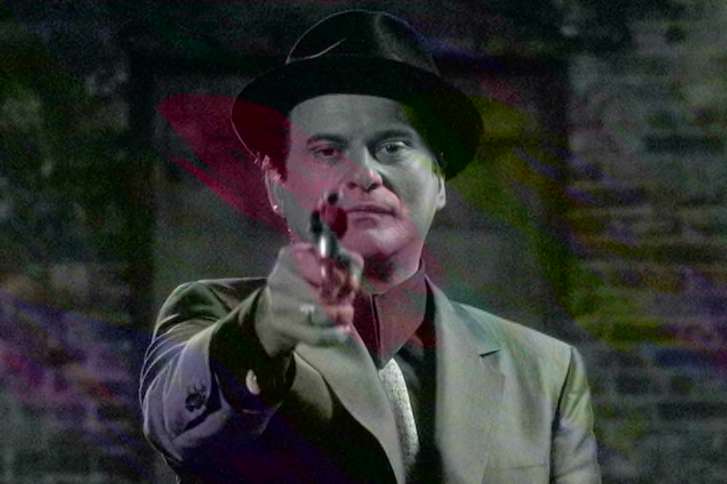
Every movie year of the 1990s, ranked

If you’ve seen any legitimate percentage of posts on this blog, you will be aware that I love ranking stuff. I also love movies from the 90s. I also love the concept of the best movie years. It’s a miracle I didn’t hit on this sooner. Anyway, since it’s been 20 years and everyone’s reminiscing about it, the question of “is 1999 the greatest movie year ever?” has been asked a lot. The question I ask back is- is it even the greatest movie year of the decade? Maybe. Read to find out.

10- 1991

Essential films: The Silence of the Lambs, Terminator 2: Judgement Day, Cape Fear, Beauty and the Beast, The Fisher King, Point Break, Boyz n the Hood, Barton Fink, Thelma and Louise, JFK, My Own Private Idaho, Bugsy, The Doors, Naked Lunch, Jungle Fever

The Silence of the Lambs is the big one here. After that, it kinda peters out. There’s a reason it became just the third film to sweep the big 5 oscar categories. Besides that, there’s Judgement Day, wildly considered to be one of the greatest sequels and action movies of all time. Barton Fink is one of the Coens’ most under appreciated works. Cape Fear is one of the all time greatest remakes and features an elite De Niro role. Oliver Stone had a big year with JFK and The Doors. There’s stuff from Spike Lee, David Cronenberg, the late John Singleton, Kathryn Bigelow, and Gus van Sant. That’s about it, which is still pretty strong considering how easily it’s the worst year on this list

Best Film: The Silence of the Lambs. How many films can spawn a legendary line that isn’t even in the movie, not even as a misquote?

9- 1992

Essential films: Unforgiven, Reservoir Dogs, Malcolm X, A Few Good Men, A League of Their Own, Glengarry Glen Ross, Bram Stoker’s Dracula, Scent of a Woman, Basic Instinct, Aladdin, Batman Returns, Wayne’s World, The Crying Game, The Player, My Cousin Vinny, Candyman, Howard’s End, Chaplin, Alien 3.

Despite being one of the weakest of the 90s, some great stuff came out of 1992. Lauded films by Spike Lee, Robert Altman, and Francis Ford Coppola (well at least it’s lauded in relation to most of his other stuff) were released. The best picture winner was Eastwood’s Unforgiven, which has been held up as one of his greatest works. A pair of famous quotes (“Coffee is for closers” and “YOU CAN’T HANDLE THE TRUTH”) and Danny Devito’s Penguin round out the reasons that this is still a great year. But the major thing here is the beginning of the career of one Quentin Tarantino. He broke onto the scene with Reservoir Dogs, an era-defining work and still one of his best films. Another career, that of the great David Fincher, began as well with Alien 3, albeit less auspiciously. You’ll see more of him on this list, though.

Best film: Reservoir Dogs, even leaving the influence of it out of it.

8- 1996

Essential films: Fargo, Scream, Independence Day, The English Patient, The People vs Larry Flynt, From Dusk Till Dawn, Mission: Impossible, Jerry Maguire, Trainspotting, Space Jam, Sling Blade, The Birdcage, Mars Attacks, Happy Gilmore, Romeo + Juliet, Swingers, The Rock, Bottle Rocket, Hard Eight, The Cable Guy, Black Sheep

1996 is notable because there’s a lot that’s entered popular culture due to sheer ridiculousness: see Burton’s Mars Attacks, Jim Carrey and Adam Sandler vehicles The Cable Guy and Happy Gilmore, and of course, Space Jam. This is a great year, not because of the great films, but because of the interesting ones. Baz Luhrmann’s Romeo + Juliet is one of the weirder Shakespeare adaptations out there, and it also helped launch the career of Leonardo DiCaprio, The Rock is Michael Bay before the Michael Bay-ness of it all got to his head, The Birdcage is a Mike Nichols comedy about a gay couple, played by Robin Williams and Nathan Lane, From Dusk Till Dawn stars George Clooney and Quentin Tarantino, The People vs Larry Flynt is a movie by Milos Forman starring Woody Harrelson as a porn producer. The Mission: Impossible franchise started here, which is worth something, and Trainspotting launched the careers of Danny Boyle and Ewan McGregor. Cuba Gooding Jr won an oscar for Jerry Maguire. This year also saw the debuts of not one, but two legendary auteurs with the last name of Anderson. Paul Thomas’ Hard Eight and Wes’ Bottle Rocket are similarly shoved towards the bottom of their respective outputs today, but they mark the arrival of tremendous talent. The true greatness of this year lies in The Coen Brothers’ dark masterpiece Fargo and Wes Craven’s seminal (for better or for worse) Scream. Both movies are unique and original in tone (well, Scream was until they made 3 sequels and a million unofficial remakes) and carry this year.

Best Film: It’s Fargo, but the temptation to go with Scream just because is hard to resist.

7- 1993

Essential films: Schindler’s List, Jurassic Park, The Piano, The Fugitive, True Romance, Demolition Man, Mrs. Doubtfire, Groundhog Day, Dazed and Confused, Philadelphia, A Bronx Tale, Carlito’s Way, The Age of Innocence, Short Cuts, What’s Eating Gilbert Grape, Coneheads, Super Mario Bros.

The inclusion of legendary classics Coneheads and Super Mario Bros help 1993, but despite these enduring masterworks, the year belongs to Stephen Spielberg. The man made his greatest, most soul-crushing work and one of his most exhilirating, dinosaur-oriented classics in the same year. That’s incredible. He deservedly took home Best Picture and Best Director for Schindler’s List, miraculously beating out Coneheads auteur Steve Barron (I had to look that one up). This year also features the likes of Robert De Niro’s directorial debut A Bronx Tale, Altman Resurgence staple Short Cuts, Jane Campion’s acclaimed historical drama The Piano, and Richard Linklater’s Dazed and Confused, which is notable for being one of the only Linklater films set over a rational period of time. True Romance is fascinating: written by Quentin Tarantino, directed by Tony Scott, and starring the likes of Christian Slater, Patricia Arquette, Val Kilmer, Dennis Hopper (who’s also Bowser in Super Mario Bros.), Gary Oldman, Brad Pitt, Samuel L Jackson, Christopher Walken, and James Gandolfini. Scorsese and Daniel Day Lewis teamed up to adapt Edith Wharton. Leonardo DiCaprio earned his first critical attention for What’s Eating Gilbert Grape. Groundhog Day is one of the funniest movies ever and it’s one of three contenders for the best Bill Murray performance (Caddyshack and The Life Aquatic with Steve Zissou). I left a lot out of that write up, but at least I got to make my jokes about the Super Mario Bros movie.

Best Film: Super Ma- Schindler’s List. I meant Schindler’s List.

6- 1998

Essential Films: Saving Private Ryan, The Thin Red Line, The Big Lebowski, American History X, The Truman Show, Rushmore, Fear and Loathing in Las Vegas, Antz, A Bug’s Life, Armageddon, Deep Impact, Shakespeare in Love, Blade, Out of Sight, There’s Something About Mary, Pi

1998 is a year of doubles. Two famous war films in Saving Private Ryan and The Thin Red Line. Two movies about space rocks coming to destroy earth with Armageddon and Deep Impact. Two talking ant movies in A Bug’s Life and Antz. That’s a strange list. Darren Aronofsky also debuted with Pi and Edward Norton established himself as a force to be reckoned with in American History X. Steven Soderbergh made one of his most renowned films in Out of Sight. Rushmore is the first true Wes Anderson film and still one of his best. It also gave us the line “OR they?”, which is a gift to mankind. The Truman Show features one of the most prominent Jim Carrey Dramatic Roles and also Ed Harris. The guy who directed There’s Something About Mary also did the most recent best picture winner, so blech. Now here are, in rough order, the top 10 quotes from The Big Lebowski, with no explanation.

10- What do you mean I brought it bowling, dude? I didn’t rent it shoes. I’m not buying it a f**ing beer. He’s not taking your f**ing turn, dude.

9- Is this your homework, Larry?

8- Nice marmot.

7- Obviously, you’re not a golfer.

6- Eight year olds, dude.

5- Mr Treehorn treats objects like women, man.

4- Careful man, there’s a beverage here.

3- You want a toe? I can get you a toe.

2- It’s a league game, Smokey.

1- He fixes the cable?

Best Film: Lebowski. If you’d say Saving Private Ryan, which is truly a great film, then that’s just like, your opinion, man. Sorry.

5- 1990

Essential films: Goodfellas, Miller’s Crossing, King of New York, Misery, The Godfather part III, Ghost, Dances With Wolves, Edward Scissorhands, Tremors, Jacob’s Ladder, Total Recall, Home Alone, Pretty Woman, Wild at Heart

Before I get to the fact that this is indisputably the greatest year in gangster movie history, let’s go over the other stuff. Misery is a great adaptation of an incredible book that features some of the best casting (and acting) of all time. Edward Scissorhands is one of the Burton-est Burton movies, which is a good thing. Wild at Heart won David Lynch the Palme d’Or. And now on to the gangster movies. Goodfellas is maybe the best movie in the history of the genre, in addition to being perfect in every single possible way and the best movie in the history of the world (I like this movie). King of New York is a wonderfully bats**t piece of absolute art that I also love and will totally write more about. For now I’ll leave it at this- it treats Christopher Walken as a leading man, which is rare but awesome, it’s the most stylized damn thing in the universe, which is also awesome, and I spent the entire day after I first saw it wondering if it was actually that good or if I was just tired. I decided that it is, in fact, that good. Miller’s Crossing is the third major gangster movie, which is the Coens’ only foray into the genre. It’s brilliant, complex, and it contains a scene of Albert Finney gunning people down from a burning building while Danny Boy plays. A perfect film. The final major gangster movie is, of course, The Godfather III, which is significant in that it is a Godfather movie. The renaissance of such a fantastic genre is what carries 1990 to its position, but it’s kept here by the rest of the year.

Best Film:

4- 1997

Essential films: Titanic, L.A. Confidential, Good Will Hunting, Boogie Nights, Happy Together, Jackie Brown, Face/Off, Con Air, Austin Powers: International Man of Mystery, Lost Highway, Amistad, Gattaca, Scream 2, Grosse Pointe Blank, As Good as it Gets, Batman and Robin, Starship Troopers, Men in Black

Titanic won every Oscar known to man and made 6 trillion dollars. Whatever. On to the good stuff. L.A. Confidential is history’s greatest police movie (I will absolutely fight anyone on this). Boogie Nights is history’s greatest porn movie (by which I mean movie about porn. I also don’t foresee having to fight anyone on this one). Happy Together is one of Wong Kar-Wai’s darkest films, and also one of his most haunting and excellent (if you don’t know that name, learn it- he’s gonna come up a lot in the upcoming paragraphs). Jackie Brown is admittedly minor Tarantino, but it’s still an excellent film. Lost Highway is admittedly minor Lynch, but it also contains these two scenes so all is forgiven.

Austin Powers is one of the funniest movies ever made. Scream 2 is the only valid horror sequel. Con Air and Face/Off harken back to an era when action movies had intriguing premises. Batman and Robin gave us Arnold Schwarzenegger’s Mr. Freeze.

Best film: Boogie Nights. It’s Anderson’s best work, and as much as I love L.A. Confidential, I love Boogie Nights slightly more.

3- 1995

Essential films: Seven, Heat, The Usual Suspects, Braveheart, Toy Story, Apollo 13, Clueless, 12 Monkeys, Casino, Billy Madison, Leaving Las Vegas, Jumanji, Tommy Boy, Before Sunrise, Fallen Angels, Sense and Sensibility

Or, The Year That The Academy Shafted The Actual Best Movies And Opted For An Insane Best Picture Slate That Included Freaking Babe. That was the original title, but they thought it was too long and so they changed it to 1995. For real, Seven, The Usual Suspects, and Heat were all famously shut out of the category, so they had to give it to Mel Gibson. Toy Story would’ve been a better choice, by a lot. 1995 also contained 12 Monkeys, a Terry Gilliam movie based on a famous experimental short film composed of still images. Casino is the one bad Scorsese movie, but the muffin scene is funny so there’s that. Linklater kicked off his legendary Before trilogy with Before Sunrise. Wong Kar-Wai made Fallen Angels, which is essentially a sequel/continuation of Chungking Express that also happens to be awesome. Tommy Boy is so good. Seven is Fincher’s first real movie, and contains one of the best endings ever. The Usual Suspects is weird to talk about now, given director Bryan Singer and star Kevin Spacey, but it really is a great movie. Billy Madison is the best Adam Sandler comedy.

Best film: Seven. Pitt’s performance in the finale might be the best acting of his career.

2- 1994

Essential films: Pulp Fiction, Chungking Express, Quiz Show, The Shawshank Redemption, Leon: The Professional, The Lion King, Clerks, Forrest Gump, Natural Born Killers, Dumb and Dumber, The Mask, Ed Wood, Ace Ventura: Pet Detective

This is a lot of people’s pick for the greatest movie year ever, and that’s not at all a crazy statement- it’s certainly up there. The sheer quality of the stuff towards the top solidifies it in the top 5 or so. It does kinda peter out after the first few, but it maintains quality enough to get to this point. Pulp Fiction and Chungking express are singular, inimitable masterworks from some of the greatest auteurs of all time. The Shawshank Redemption owns. Quiz Show also owns. Leon contains the best Gary Oldman performance. Forrest Gump… is here. The Lion King is one of the greatest Disney movies (and arguably the second greatest Shakespeare adaptation, after Kurosawa’s Throne of Blood). This was also the year Jim Carrey made it big, with the trifecta of Dumb and Dumber, The Mask, and Ace Ventura: Pet Detective.

Best Film: Pulp Fiction. But man, it’s tempting to go with Chungking.

1- 1999

Essential films: Fight Club, Being John Malkovich, Beau Travail, The Matrix, American Beauty, The Sixth Sense, All About My Mother, The Blair Witch Project, Star Wars Episode I: The Phantom Menace, Office Space, Magnolia, Bringing Out the Dead, The Green Mile, The Short Story, The Insider, South Park: Bigger, Longer, and Uncut

Yeah, this is the winner. The Matrix changed Sci-Fi forever, The Sixth Sense launched the career of M Night Shyamalan (which only Haley Joel Osment can see now OOOOOOH BURN), Office Space is hilarious, and Being John Malkovich is a glorious piece of gonzo awesomeness that is one of my favorite movies ever. Spectacular work in foreign films as well- the legendary Claire Denis delivered Beau Travail, her masterpiece, and Pedro Almodovar was in top form with All About My Mother, one of his warmest, sweetest films and a straight up classic. Acclaimed films from directors such as Mann, PTA, Scorsese, and Lynch. The first Star Wars prequel came out. The Blair Witch Project is bad but it started a trend of a zillion other bad movies (found footage horror is a cancer) and made a ton of money because it lied to market it so I guess it’s Culturally Significant.

The two key films to understanding 1999 are American Beauty, the year’s best picture winner about how everyone sucks but everyone is also good at heart and so they all go to heaven, and Fight Club, David Fincher’s cult classic about a society gone to hell. I’ve written at length on my feelings on American Beauty and its falsehoods, misconceptions, and general crappiness, and I probably will again. The thing that gets me about these two films is society’s conception of them. Fight Club is seen by many as something endorsing the kind of actions seen in the film (both by people who want to see it that way and by people who are disgusted by it). American Beauty seems like it’s making fun of its subjects, until it becomes clear that it’s actually supporting them (why does this movie have to suck so much it makes me sad). The movie that is actually a satire gets no credit for it and the one that’s depressingly not is considered as such. And that’s the one that took best picture. Weird year. But an important one.

Best Film: There’s so much here and a lot to be said for and against it all. So let’s call it South Park: Bigger, Longer, and Uncut.

The best Robert De Niro performances, ranked

Today, August 17th, is the 76th birthday of one of the greatest actors of all time. His career spans his early work with Martin Scorsese in the 70s to his more recent supporting turns in David O. Russell’s films. His roles have become iconic- lines, scenes, and moments have become so indelible that they’ve etched themselves into popular culture permanently. He needs no introduction, and yet I’ve given him one anyway because that’s just how great of an actor he is. So here are the top ten performances of the one and only Robert De Niro.

10- Jackie Brown (1997)

My initial feelings on De Niro’s role as Louis Gara in Jackie Brown (and the movie in general) were lukewarm. the further removed I get from it, however, the more I appreciate it. In ways similar to Casino (not on this list. That movie sucks.), Jackie Brown features De Niro in an against-type performance. His character here is more timid than you typically get from him. Louis is a unique character in the film for that reason. Every other character is a typically Tarantino-esque, suave, smooth talker that’s always thinking ahead. Louis is pretty much a loser. He’s responsible for many of the best and most shocking moments in the film (parking lot scene, above) that don’t belong to Samuel L Jackson’s character. He’s a welcome presence in the film, and an interesting part of De Niro’s career.

9- The Godfather part II (1974)

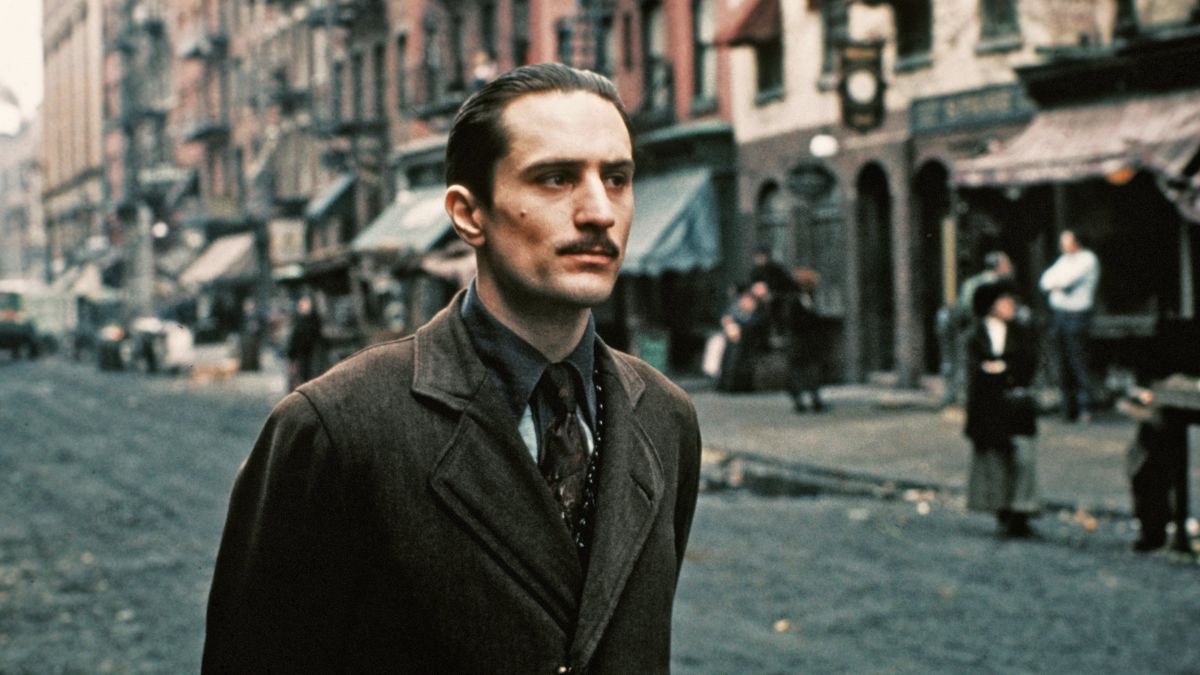
If the thing that sets the first Godfather movie apart is the presence of Marlon Brando, the thing that helps its sequel is De Niro (in the same role, fittingly enough). He won his first Oscar for his portrayal of Vito Corleone in his younger years. The most impressive thing about this part, in my opinion at least, is that almost all of his lines are in Italian. Additionally, he does a truly excellent job of maintaining the character that Brando established in the first film. Whenever he’s on screen, the film revolves around him. It takes skill to build on such an iconic character and make it your own, and that’s what De Niro does here.

8- The Untouchables (1987)

Enthusiasms, enthusiasms. What are mine? What draws my admiration? What is that which gives me joy? That would be De Niro’s brilliantly over the top performance as Al Capone in Brian De Palma’s crime classic. He’s unfortunately not in the film that much, but when he is the quality skyrockets. Which is saying a lot considering how great it is. De Niro delivers every line with an insane bravado that completely makes the movie and creates several classic scenes (I wanna go there in the middle of the night AND PISS ON HIS ASHES, etc.). There may be more nuanced performances in De Niro’s filmography, but I’m not sure if there are any that are this fun.

7- Mean Streets (1973)

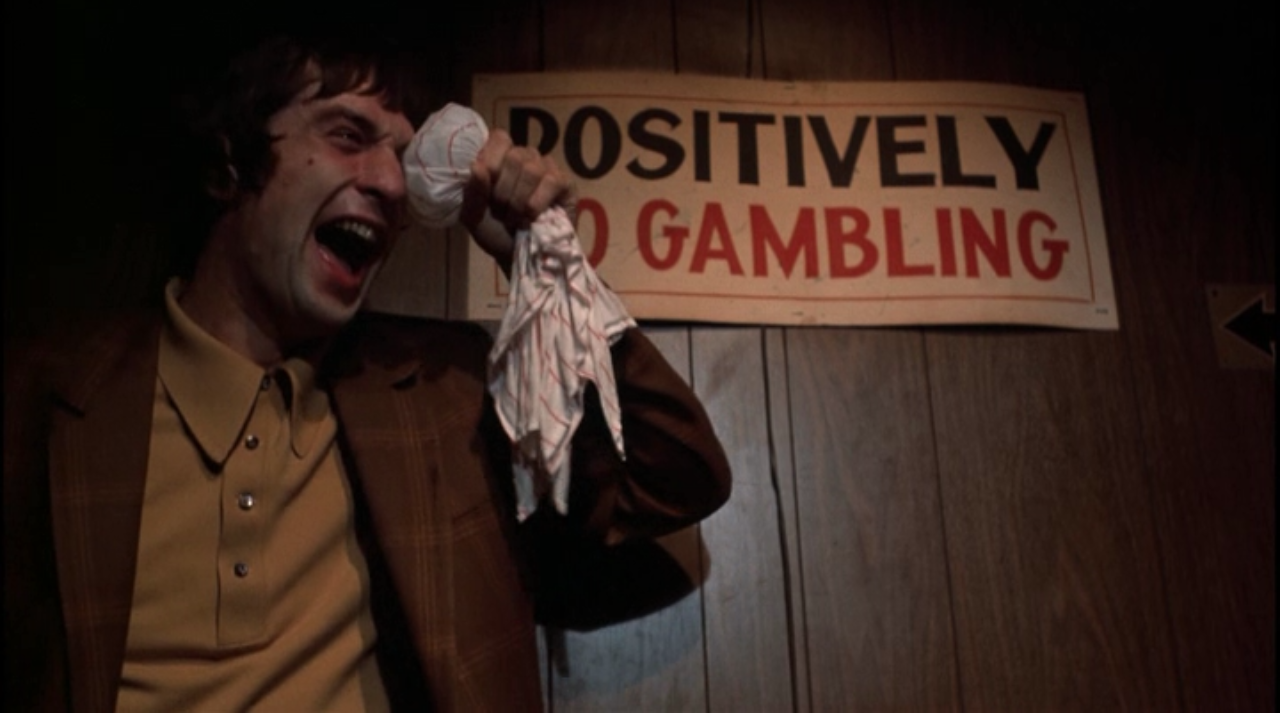
Harvey Keitel may be the star of Scorsese’s early masterwork Mean Streets, but De Niro steals the film with this completely bonkers turn. Here he plays a lunatic that doesn’t quite resemble his later roles in The King of Comedy and The Untouchables, but possesses an air of sheer madness that might make you think he’d make a good Joker. This film served as the starting point for his career and a stunning breeding ground for talent (David Proval, Richie Aprile on The Sopranos, is here, as is David Carradine) that remains fascinating to watch today, especially because of De Niro.

6- The Deer hunter (1978)

The Deer Hunter is a staggering, massive, emotional epic that is sure to resonate deeply with any viewer. Everyone here is in top form. Christopher Walken gives his best performance ever (the Pulp Fiction fan in me hates to say that, as does the Annie Hall fan in me), John Savage is tremendously and impeccably broken, and Meryl Streep is Meryl Streep. De Niro is the center of it all. He’s responsible for the most intense moments the film has to offer (russian roulette with more bullets), some of the most resonant (his return home from the war), and some of the saddest (NICKYYYY). He displays a brilliant range over the course of one film. He undergoes one of the greatest transformations in cinematic history (maybe even the second best in the movie). It’s an epic performance that perfectly suits the epic film.

5- Cape Fear (1991)

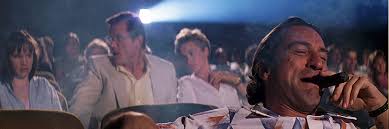
Never in his career has De Niro simply been this scary. He brings a palpable menace to every scene, even when he’s being outwardly friendly. His scene with Juliette Lewis, where he poses as her drama teacher, is one of the best scenes of his career. The above scene in the movie theater is a classic. He’s the second best thing about one of the best remakes in cinematic history (the best being the Simpsons episode that parodies it, obviously). He simultaneously oozes evil and charisma in a way he’s never typically done. Similar to the way he expands upon Brando’s Don Corleone in Godfather 2, he builds his own character on top of Robert Mitchum’s in the original.

4- Goodfellas (1990)

That is all.

3- The King of Comedy (1983)

There are elements of Travis Bickle in Rupert Pupkin, De Niro’s unhinged title character. In fact, it could be said that he’s the anti-Bickle. Whereas Bickle’s worldview is dark and nihilistic, Pupkin is an eternal and relentless optimist and opportunist. Bickle’s obsession is with (as he sees it) making the world a better place, Pupkin sees the world as a perfect place already: he wrongly views it as a world where anyone, himself included, can make it. In this way, The King of Comedy is maybe a more cynical film than Taxi Driver. It’s occurring to me that this would be better as a full-length post, so I’m gonna stop for now. De Niro absolutely owns in this movie, and that’s really all there is to it.

2- Raging Bull (1980)

In Raging Bull, De Niro creates a character so repulsive and awful that it’s incredible just how empathetic you become with him. We revel in LaMotta’s victories and suffer with his lows. De Niro creates a character with so much depth, but whose only emotion at all times is rage. This is what drives his every action, his every explosion, his every fight. Raging Bull is a boxing movie in two ways- there’s the actual boxing, and there’s LaMotta’s tragic and constant fight with everyone in his life. De Niro here is a person who is constantly fighting, that’s his nature, that’s all he can do. And De Niro does it so well that it completely makes the movie.

1- Taxi Driver

When I started this post, it occurred to me that I’d have to pick between Raging Bull and Taxi Driver for the top spot. I thought I’d go with Raging Bull, but when I thought about it, I decided that Taxi Driver was the true number one. Travis Bickle is one of the greatest characters in the history of American fiction, and he couldn’t have been without De Niro (who improvised his most iconic scene). This role singlehandedly created an entirely new character archetype- “God’s lonely man”, which has been seen in the likes of last year’s terrific First Reformed and Jake Gyllenhaal’s character in Nightcrawler. But nobody (although Gyllenhaal and Hawke are both fantastic) has pulled it off quite like De Niro. His insanity here is not below the surface and malicious, it’s well-intended and right there for the world to see. This is a man who has nothing to lose. This is a character of unbridled depth and a performance of unparalleled skill. This is De Niro’s greatest contribution to film, to art, and to the world as a whole. Decades later, it’s the crowning achievement of one of the best careers in film history.

\\

Every Martin Scorsese movie (that I’ve seen), ranked

I need a few more days to fully come to terms with Midsommar before I write about it, and the thing I’ve been planning to write for a while about the films of Claire Denis isn’t all the way there yet, so in the interim I’m gonna rank some stuff. Namely, (most of) the filmography of one of my absolute favorite filmmakers: Martin Scorsese. When I say most of, I mean I haven’t seen all of his films. The ones that will not be appearing on this list are- Who’s That Knocking at my Door, Boxcar Bertha, Alice Doesn’t Live here Anymore, New York, New York, The Color of Money, The Last Temptation of Christ, The Age of Innocence, Kundun, Bringing Out the Dead, The Aviator, and Silence. Which, now that I write it all out, seems like too much to leave out. But I’ve already written all this, so away we go. Also, only narrative feature films. So no New York Stories, Shine a Light, The Rolling Thunder Revue, The Last Waltz, etc. This list will be updated as I watch more of Scorsese’s films. Anyway for real now let’s go.

Honorable mention- Quiz Show

I’d like to use this opportunity as a reminder of two things- Martin Scorsese is in Quiz Show, and Quiz Show rules. I promise the list is about to start.

14- Casino (1995)

Blech. I don’t understand what people love about this movie. I mean, it has its moments. Joe Pesci’s narration cutting out mid-sentence because of his character’s death is straight-up brilliant. The blueberries scene is good. There’s a Saul Bass title sequence. And that’s it. Casino isn’t exactly a Goodfellas retread, but it isn’t not. Everything great about Goodfellas is duller and more mediocre here. The narration is overdone. De Niro is more subdued, less dynamic. Pesci is playing the same character but… less. It’s just less than Goodfellas. It’s also too long and weirdly boring. It’s like a predictive text Scorsese movie, and that’s not a good thing.

13- Hugo (2011)

I gotta be honest- I don’t really remember this one. Which, while it’s true that I saw it when I was very young, probably isn’t that good. What I do remember isn’t spectacular. The feeling I got kinda reminds me now of a 2010s Spielberg movie- not bad by any measure, but really unremarkable (shoutout to Bridge of Spies, however, that movie owns). It gets a pass over Casino because Casino sucks. Hugo, in my memory, is unremarkable at worst. Everything above here is phenomenal, so there’s nowhere else it could’ve been.

12- The King of Comedy (1983)

11 out of the 13 films on this list are masterpieces, this one is just the least amazing. It’s De Niro’s best against-type performance, and the story remains extremely relevant. The King of Comedy was what Scorsese settled on when De Niro expressed his desire to do a lighter film, after the two had collaborated on Mean Streets, Taxi Driver, and Raging Bull, among other things. The King of Comedy is as dark as any of them. But much funnier.

11- Cape Fear (1991)

Robert De Niro being one of the greatest actors in the history of film is a common theme on this list (part of why Casino is so bad is because his performance really isn’t that good). But taking on a role made iconic by Robert Mitchum, another of history’s greatest actors and improving on it (I won’t get into that now but there’s an argument to be made either way)? That’s an achievement on an impressive level. De Niro’s tour de force here powers Cape Fear to the status of one of the greatest remakes of a classic film ever, but the film succeeds for other reasons too. Nick Nolte is fantastic, and the neo-noir atmosphere is just so much fun. It’s a perfect follow-up to Goodfellas– scaled down and not trying to top it. And in doing so, it creates something of its own, something fantastic and brilliant.

10- Gangs of New York (2002)

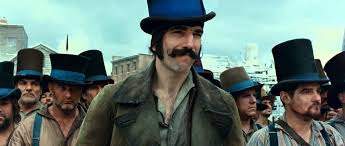
We interrupt this Robert De Niro appreciation-fest to bring you Daniel Day-Lewis. Day-Lewis dominates the film so much as the diabolical gangster Bill “the butcher” Cutting that he received an oscar nomination for Best Lead Actor (it’s totally a supporting role. A big one, but still a supporting one). It’s a career highlight that clearly laid the groundwork for his absolute best role in There Will be Blood. Outside of Day-Lewis, there’s still a lot in this one. Gangs is an epic film that was the start of Scorsese’s collaboration with Leonardo DiCaprio. It also features turns from Cameron Diaz, John C. Reilly, Liam Neeson, and Brendan Gleeson, all of whom are various degrees of great. It’s visually brilliant, which is even more impressive when you find out that there’s exactly one piece of CGI: the elephant (which they wanted to do practically!). At its worst, Gangs of New York drags a little. At its best, it’s a masterwork, an odyssey of redemption and honor that serves as maybe the most integral part of Scorsese’s chronicles of New York besides Taxi Driver. Scorsese is the best New York filmmaker, by the way. Sorry Woody Allen. Also, Gangs of New York is one of the most nominated films in oscar history to not receive a single award (It had 10 nods. True Grit in 2010 and American Hustle in 2013 also had 10, while the record is shared by The Turning Point in 1977 and The Color Purple in 1985).

9- Shutter Island (2010)

Image result for shutter island

Mysterious, eerie, and dark as hell, this period stunner wouldn’t work as well as it does in the hands of a lesser filmmaker. While Scorsese’s films aren’t typically this genre-specific, he kills it with this one. Gorgeously shot by Tarantino regular Robert Richardson, Shutter Island is entirely atmospheric. And WOW what an atmosphere. I first saw this one knowing nothing about it except that it was directed by Scorsese and it had a great twist (it does). I wasn’t expecting the masterpiece of a slow burn thriller I proceeded to experience. It was after watching this that I first realized that DiCaprio is one of the greatest actors of all time (this was before having seen The Wolf of Wall Street and The Revenant). Mark Ruffalo is great as usual, as is Ben Kingsley. And MAX VON SYDOW is in it. It’s a perfect movie. Also, it’s almost a shame to mention this because it takes away from what a gloriously brilliant achievement the film is, but the twist is all-time. Up there with Fight Club and The Sixth Sense.

8- Mean Streets (1973)

Eighth place feels incredibly low for the movie that, in one scene, invented both movies and music. Seriously, watch it.

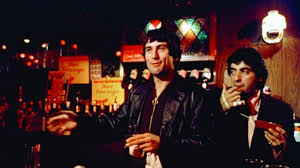
Oh, and also it was Martin Scorsese’s first commercial success and it launched the career of Robert De Niro. Richie Aprile from The Sopranos is in it. I’m not sure I have to say any more, but I’m gonna. It features a brilliant opening scene (below), one of Harvey Keitel’s greatest performance (although he is outdone by De Niro to the point that Scorsese replaced Keitel as his leading man in the next movie he did). It features brilliant examinations of some of Scorsese’s most important themes, such as masculinity and Catholic guilt. And it’s seventh on this list. That should tell you something.

7- After Hours (1985)

Is this the most underrated film of all time? Considering it’s directed by a legendary auteur and is solidly well-known, probably not, but it’s up there simply because it’s SO GOOD. The true essence of a midnight movie, this one works best when watched at night (In my experience, Eraserhead and Kill Bill are other great midnight movies, if you’re looking for recommendations). The brilliance of After Hours is that it’s absolutely nuts. Guy meets girl, guy goes to girl’s apartment to buy magnet, guy is wrongfully blamed for girl’s death, guy spends the night on the run, guy gets built into a sculpture that is then stolen. Not exactly a classic story. Directed by Scorsese, but you would never know it. He’s having fun here- you can see it in the camera angles (think the falling keys), in the general absurdity of the comedy, and in the fact that it’s focused on entertaining before making a broad statement about human nature. In this case, that isn’t a problem. There’s truly nothing like it.

6- The Wolf of Wall Street (2013)

This list has been going through masterpieces since the 11 spot, but this is where it gets real. The Wolf of Wall Street is many things, which is only fitting because it’s a film that deals entirely in excess. The sex, the drugs, the length, the language (record for uses of “f**k” in a movie that isn’t about swearing), they all serve one purpose: to further the theme of excess. Jordan Belfort’s lifestyle isn’t presented this way by Scorsese just because, it’s to tell the story accurately. The story is one of American greed in its purest form. How quickly greed takes over and the kind of things it does to people. It’s like Goodfellas, if the violence were traded in for financial scams. Also, DiCaprio has never been as good and Jonah Hill is revelatory. The Wolf of Wall Street is a glorious, phenomenal sensory overload of a movie. One of the greatest films of the 2010s. And it only gets better from here.

5- The Irishman (2019)

Scorsese’s latest is clearly one of his masterpieces. It earns every second of its titanic length with brilliant performances across the board (Pacino is a god), masterful storytelling, and a brilliant commentary on human mortality. It’s a late-career work in every sense, but that doesn’t mean he’s slowed down. The Irishman could probably be ranked below Wolf of Wall Street, but it could also be one or even two spots higher. It’s a breathtaking feat of cinematic excellence, the kind of thing that Scorsese does far more often than he has any right to. Reviewed in greater depth here.

4- The Departed (2006)

*Insert depahted joke*. Now that that’s out of the way, let’s talk about this, my second favorite Scorsese movie. The plot is so genius, complex, and Scorsese-an that it’s crazy that Scorsese didn’t think of it (for those uninitiated, it’s a remake of Infernal Affairs, a 2002 Hong Kong film). With the combination of director and plot, the least The Departed could’ve been was only slightly great. Instead, it’s an all timer. Matt Damon and Leonardo DiCaprio are equally brilliant as the gangster inside the cops and the cop inside the mob, respectively. Mark Wahlberg is awesome. For real, the only other place the guy is this good is Boogie Nights (another of my favorite films. Huh.), and you could argue that he should’ve won the oscar for supporting actor over Alan Arkin for Little Miss Sunshine (but damn is Arkin great in that). But the true best performance goes to the one and only Jack Nicholson (this has become a rundown of the greatest actors ever. All that’s missing is Brando). Nicholson is so unbelievably entertaining, over the top, and just plain great. I’ve seen it said that he tanks the movie and isn’t good. To that I simply say no. It’s one of the best performances of his career, and I understand the gravity of that statement. Also, in the last like 20 minutes it devolves into a Shakespearean tragedy. Huge plus.

3- Raging Bull (1980)

The greatest sports movie of all time. The (tied) greatest ever De Niro performance (I can never decide between this and Taxi Driver so I’ll call it a tie). The greatest study of self ruination that Scorsese ever accomplished (the two films above this are studies of ruination by other things). Raging Bull‘s one-two punch (sorry) of De Niro and technical wizardry (commonly referred to as the best edited film of all time. In my opinion, that’s probably correct, but Thelma Schoonmaker’s best work is the Sunday, May 11th sequence in Goodfellas. Rant over) cements it as a legendary work. It’s a boxing movie on multiple levels- sure, it deals with Jake LaMotta’s career inside the ring, but it’s also the story of his fight outside of it. And the technical genius of all involved elevate it into a masterpiece (in a way quite similar to the 2009 Claire Denis film White Material, which I will be discussing in a later post. Yeah I’m plugging my own stuff, so what?).

2- Taxi Driver (1976)

A visionary exploration of madness unlike any other. There’s so much going on within Taxi Driver: the film is simultaneously an indictment of the Vietnam war, the vigilante mindset, politics, and child prostitution. And yet it’s an indictment of none of these things. It presents them not positively or negatively, they are. Is Travis Bickle a hero, as he believes himself to be, or is he a violent psychopath? Is he actually lauded for his crimes, or is he imagining this reality as he dies? The film not only refuses to answer these questions, but it doesn’t provide a way to feel about it. It’s a film so important to cinematic history that anything else would feel like piling on. Peter Boyle, who plays “Wizard” in this, is the monster from Young Frankenstein.

1- Goodfellas (1990)

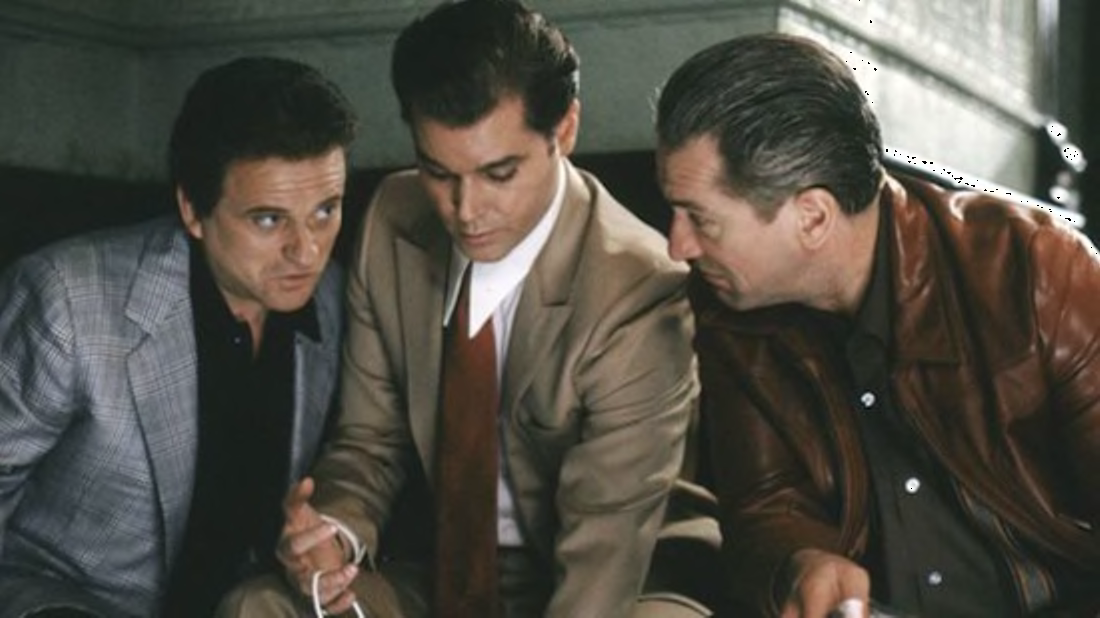
Full disclosure: this is my absolute single favorite film of all time. Nothing else comes close. So it was impossible for me to rank the films of Martin Scorsese with total objectivity. Even so, I have to feel that this would come in first if I could. It’s perfect in every way: Schoonmaker’s aforementioned editing is at its peak, Scorsese’s direction is as good as it’s ever been, the acting all around is brilliant. Liotta, Pesci, Bracco, and Sorvino turn in career bests and De Niro is amazing too. His facial acting in the bar when he decides to whack Morrie is completely incredible. That scene is a microcosm of why the film is so great- it’s the epitome of Scorsese’s cinematic sensibilities. That acting combined with the brilliance of the Sunshine of your Love needle drop and the use of slo-mo is a perfect example of the singular style that propels it into the annals of all time greatness. I could go on listing moments for days- Billy Batts’ death, the tracking shot through the Copacabana, the May 11th sequence, the opening scene, the third wall break, the Layla montage- but the point is already made. The film is perfect, and it’s the summation of Scorsese’s career and the highest peak he’s ever reached. And now we wait for The Irishman.