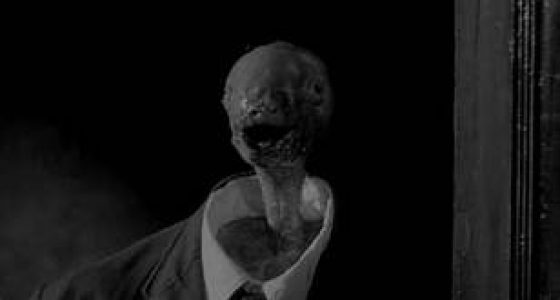

You could argue that there’s no more iconic director than Alfred Hitchcock. The films he’s made have endured and stood the test of time, and the presence in cinematic history of the man himself is unparalleled. I mean who else is so instantly recognizable based just on their silhouette? I, personally, have seen 17 Hitchcock movies, which ties Martin Scorsese for the most of any director, 2 ahead of runner-up John Carpenter. However, unlike those other 2, I’ve only scratched the surface of Hitch’s massive catalogue: he completed 55 feature films in his career, spanning across six decades, two countries, and both the silent and sound eras. Keeping in mind the breadth of that resume, ranking a selection of 17 of his films feels somewhat foolish. But I’m doing it anyway. Crucial blindspots remain, such as The Lady Vanishes, Frenzy, and both versions of The Man Who Knew Too Much, but 17 is still a lot of movies, so prepare for a long post.
17- Sabotage (1936)
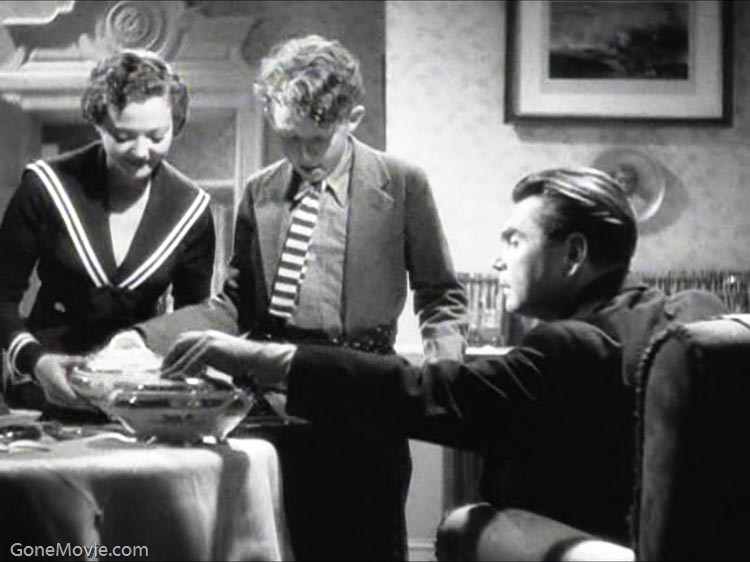
Not to be confused with 1942’s Saboteur, which, by all accounts, is far better. It’s not that Sabotage is “bad” so much as it is deeply, deeply middling. There’s nothing remotely special about this movie for the majority of its runtime, with one notable exception. The film’s climactic sequence, in which a child unknowingly transports a ticking bomb, is a signature Hitchcock suspense scene. It’s extra remarkable against the background of the exceptionally bland rest of the film, which concerns a woman whose husband is, unbeknownst to her, a member of a terrorist group. It’s only 77 minutes, which makes it a perfectly palatable completionist watch, and that central sequence alone makes it worth your while, but when the greatest legacy of a Hitchcock film is an excerpt from it making an appearance in Inglourious Basterds (the voiceover with Samuel L. Jackson explaining how flammable the film is features a clip of a child being refused entry to a bus because he’s carrying film), it’s not exactly major.
16- To Catch a Thief (1955)

Everything from here on out is at least pretty good, which is really a remarkable track record. To Catch a Thief, Hitchcock’s final collaboration with Grace Kelly, isn’t much of a substantial film, but it’s a light and breezy effort that basically serves as a vehicle for cinematographer Robert Burks and costume designer Edith Head, allowing them both to luxuriate in the film’s European vistas and beaches. It’s a fun if forgettable watch- everyone is clearly having fun making it, and as a result it gains a laid-back vibe that separates it from most Hitchcock work while remaining firmly within his universe. This isn’t a big swing for the fences in the slightest, it feels like it was basically designed to occupy this exact spot on a list like this. A “minor” work that indicates why it is that Hitch is one of the best there ever was.
15- The Lodger (1927)
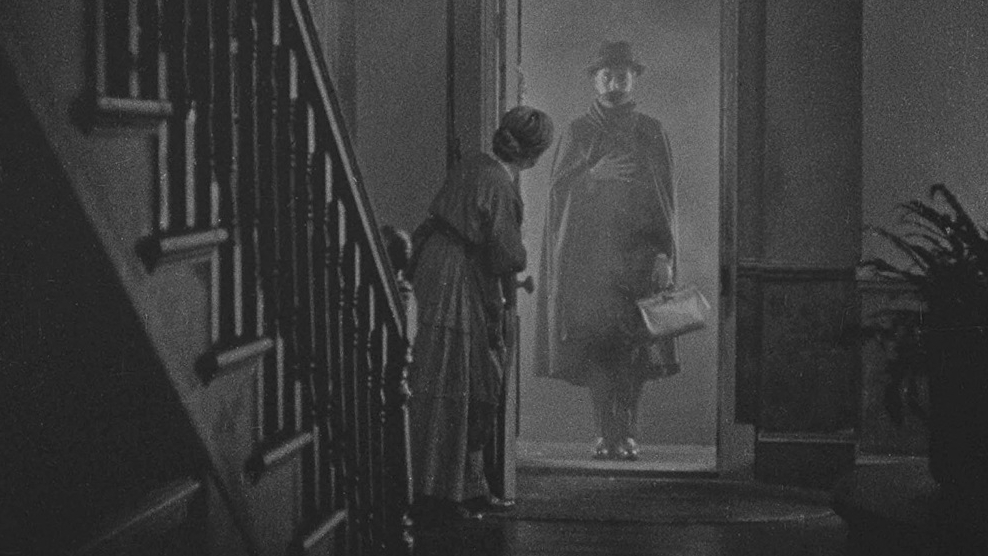
Technically this is called The Lodger: A Story of the London Fog, but that’s dumb. Nobody calls it that. It’s like calling Evil Dead 2 “Dead by Dawn”: if you encounter anyone who does it, run. Anyway the movie itself is good. He’s still clearly getting some stuff worked out, but there are flashes of brilliance: the shot of Ivor Novello pacing back and forth shot through a glass ceiling jumps to mind, as does the decision not to let the audience know whether or not our main character is a murderer for almost the entire film. Hitchcock considered this his first proper film. He had several other silents under his belt by this point, but this was the first one to actually see release, and the only one of his silents that has really held up as a canonical part of his work. It’s easy to see why- it’s remarkably compelling, and Novello’s central performance as a possible serial killer is excellent. It even features Hitchcock’s first cameo.
14- Spellbound (1945)

Mostly remembered today for its iconic Dali-designed dream sequence (above), Spellbound has a lot more to offer than its reputation suggests. Gregory Peck plays a might-be-murderer in the vein of the central figure of The Lodger, with an added twist: he can’t remember anything. Ingrid Bergman plays a psychoanalyst who falls in love with him and attempts to figure out the truth. You can practically feel Hitchcock’s excitement for the psychoanalysis plotline, it lines up with so many career-long fascinations. He’s visually on point as well- the film’s signature moment occurs in the finale, in which the camera is placed in a POV shot behind a gun panning back and forth. Plus, the aforementioned dream sequence looks great, even if Hitchcock had to deny Dali some of his requests. In Hitchcock/Truffaut, he recollects the inception of the scene, and having to explain to the iconic surrealist that he could not, in fact, pour live ants all over Ingrid Bergman. Ants or no ants, the scene works, and the film is better for it. Added bonus: the mental hospital setting of Mel Brooks’s Hitchcock sendup High Anxiety is a reference to Spellbound.
13- Dial M for Murder (1954)
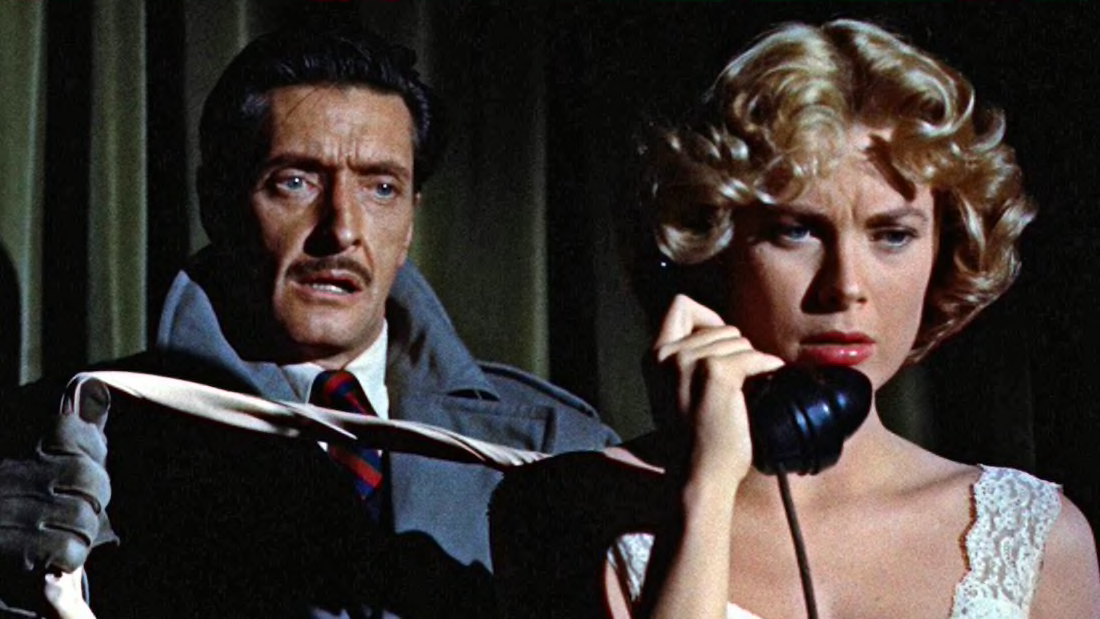
Dial M has largely avoided reckoning with its status as mid-tier Hitchcock by virtue of possessing the coolest, most iconic title of all his films. It’s definitely a good film, elevated to near-greatness by its attempted murder sequence at around the midpoint. Psycho‘s iconic moment where the viewer finds themselves rooting for the car to sink into the swamp is extended to the point where every hitch in the murder attempt causes the intensity to jump up. Ray Milland’s performance stands out, as does the hallucinatory scene of Grace Kelly’s trial. The big knock on Dial M is its extreme staginess, which is a valid criticism. It was adapted from a play, and the 3D photography doesn’t do nearly enough to cover that up. But the moments when this soars, it really soars. And it all builds to Hitchcock’s greatest final shot (with all due respect to Psycho), of a man elegantly combing his mustache.
12- Notorious (1946)
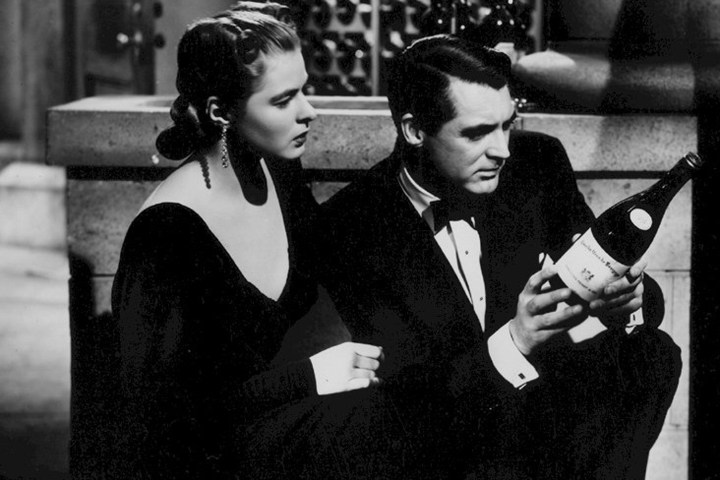
Everyone seems to like this one more than I do. Maybe I owe it a rewatch, I haven’t seen it in a while, but I was not as impressed as most people seem to be. There’s a large subset of people, notably including Roger Ebert, who consider this one of Hitchcock’s greatest achievements, if not his single best film. Needless to say, I just don’t get it. That’s not to say Notorious is anything to sneeze at. The two central performances, from Cary Grant and Ingrid Bergman, are excellent, even if the whole thing gets stolen out from under them by Claude Rains as soon as he shows up. I will give this one extreme points for the fact that the romance angle works better than a lot of his other films- Grant’s jaded character is just incredible to watch, and Bergman’s work is straight-up heartbreaking. I’m actually liking it more as I’m writing it up. I think I’ll move it above Dial M. Congratulations, Notorious. It’s a really good movie, it’s just that everything above it is a great movie.
11- I Confess (1953)

If I had to pick Hitchcock’s most underrated film, I would land on I Confess with little hesitation. It follows an absolutely insane plot: a priest (played by Montgomery Clift) becomes the prime suspect in a murder case, but he was the recipient of the confession of the real murderer. His principles won’t allow him to violate the rules of his position and tell others what he knows, so he gets in deeper and deeper trouble. It’s a brilliant idea, and Clift plays the anguish and tribulations of his character perfectly. The MVPs, however, are Anne Baxter and Karl Malden, both outstanding as, respectively, Clift’s character’s love interest who serves as the primary link between him and the murder, and an inspector who is convinced of Clift’s guilt. There are some undeniable issues, such as the ridiculous developments the plot takes (Maude Lebowski would disapprove) and the fact that the French title, which translates to “The Law of Silence”, is way cooler. But overall this is a fascinating watch. It’s done with a bizarre, operatic flow that makes it feel like you’re not watching a Hitchcock film, and reminded me at times of the regal progression of Scorsese’s The Age of Innocence. Hitch goes nuts with the camerawork here too. He employs a lot of exceptionally creative movement and compositions, and it all comes together to make one of his most visually interesting films. This is a must-watch.
10- Rope (1948)

Hitchcock considered Rope a failed experiment. God knows why. The film is incredible, and its status as a gimmick movie is undeserved. The gimmick, of course, is that it’s all done so as to resemble one continuous shot, 66 years before Birdman, and while that’s undeniably the element that stands out the most, it’s a barnburner below a surface level. The story features two men who strangle a friend and then invite a group of people, including said friend’s fiancee, over for a dinner party with the body stashed in a chest on which they serve dinner. It’s psychotic. And it’s a perfectly Hitchcockian confrontation of the “perfect murder” concept, one of his most explicit takes on it. Jimmy Stewart does some of his best work as the professor who may have inspired the men to their crime, and John Dall is wonderfully menacing as the lead murderer. Farley Granger, who plays his accomplice, is, uh… he’s really good in Nicholas Ray’s They Live By Night from the same year. Overall Rope is basically the sum of its parts, which is a high compliment considering the strength of those parts.
9- The 39 Steps (1935)

Hitchcock at his most spectacularly British. This is the inception of his “wrong man” story, which he would hone to perfection in later films, ultimately culminating in North by Northwest. Phrasing it like that is technically true, but it also feels unfair to The 39 Steps, which is a great movie in its own right. Brilliantly entertaining, with Robert Donat giving one of the most underrated performances in Hitchcock’s oeuvre, and that’s not even touching on the rapid-fire 30’s British dialogue. It’s interesting in its novelty to watch, yes, but also in how much fun it is. It’s rare to see an early work that has its senses of humor, suspense, and purpose this developed. I doubt it yields much if you’re not a Hitchcock fan, but if you are it’s an absolute delight.
8- Strangers on a Train (1951)
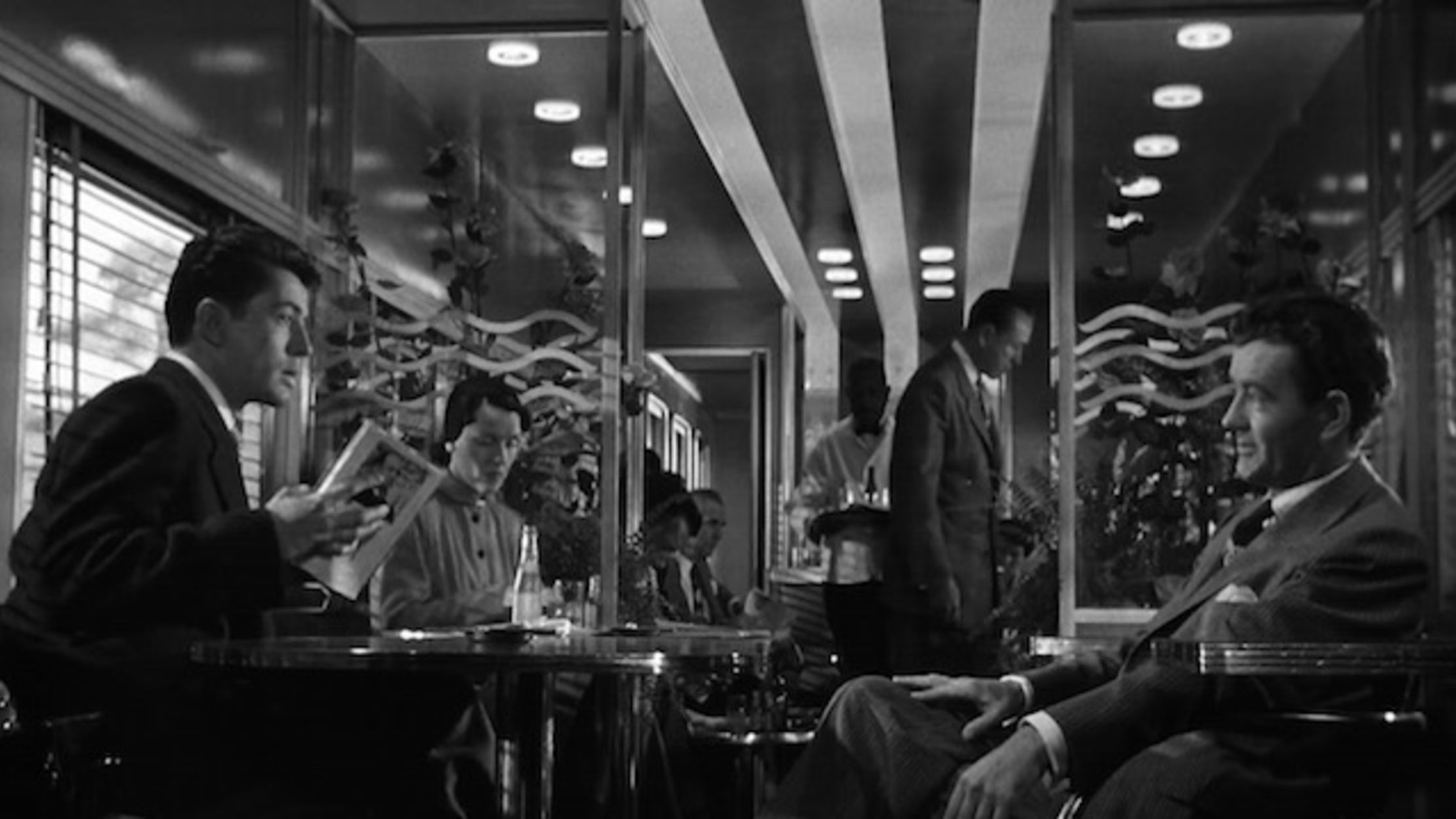
Murder! Trains! Tennis! They all collide in Hitchcock’s 1951 classic, that features the single most intense game of tennis there has ever been. Also a murder at an amusement park, a finale aboard a carousel, and a shot of a murder reflected in a pair of glasses on the ground. It feels like Hitchcock was just throwing whatever at the screen and it was all working. Farley Granger steps up his performance from Rope, Robert Walker is simply astounding (see Vincente Minnelli’s excellent film The Clock for an extremely different side of Walker, one of history’s most underrated actors, that’ll make you even more impressed by his psychopathic turn here). There’s not much else to say about this, one of Hitchcock’s most iconic films, besides the obvious fact that it absolutely rules. We’re in the really good stuff now.
7- The Birds (1963)
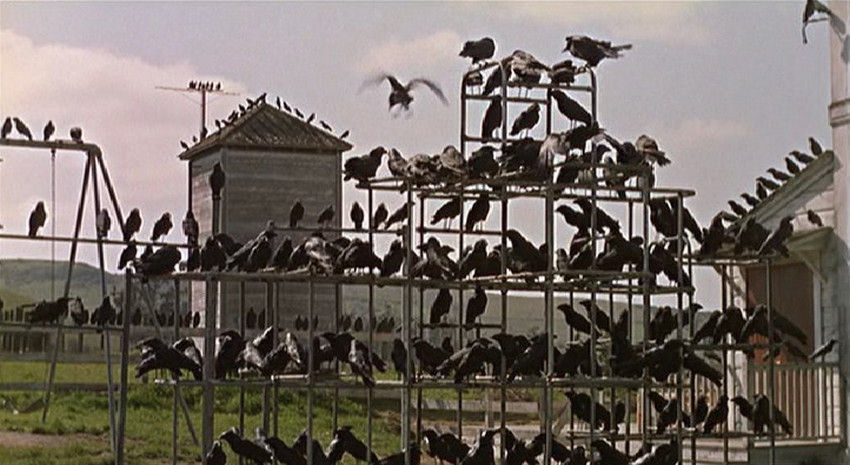
The mark of a great film is its ability to stay with you. By that metric, The Birds has a claim to the title of Hitch’s finest moment. Not because it’ll keep you up at night, or occupy your every waking thought. No, the way The Birds sinks into your skin is far more sinister. The Birds stays with you because after you see it, it’ll be at the forefront of your mind every damn time you see a bird.
6- North by Northwest

Yeah yeah cropduster scene whatever, for my money the best part of North by Northwest is Thornhill’s “I’ve got a job, a secretary, a mother, two ex-wives, and several bartenders that depend upon me, and I don’t intend to disappoint them all by getting myself slightly killed” speech. The best line in all of non-Psycho Hitch. Anyway, if you’re looking for a straight-up good time, I doubt you can do any better on this list. Sheer adrenaline, punctuated by rapid fire action setpieces and witty dialogue. It’s a classic for a reason, one of Hitchcock’s most sprawling and expansive films. Cary Grant, in the best performance of his career, runs around the country trying not to get killed for 2 hours, and it’s cinema. That’s the whole movie, and Hitchcock makes it work through sheer power of sustained excellence.
5- Shadow of a Doubt

Shadow of a Doubt is often cited as Hitchcock’s favorite of his own films, and it’s easy to see why. His favorite topic, murder, is given perhaps his most comprehensive treatment. He really digs into the psychology behind human perception of murder, simultaneously criticizing and exploiting human fascination with the subject all while probing into why it’s so sensationalized. Theresa Wright is amazing in the lead role, but this is the Joseph Cotten show above all else. He’s menacing to the point of terror, yet also creepily persuasive. This is the best iteration of Hitchcock’s is-he-or-isn’t-he potential killer, in no small part due to Cotten’s career best work. It’s pretty standard Hitchcock murder stuff, but carried out with such confidence and bravado that gives way to absolutely brilliant filmmaking. Endlessly spellbinding in its construction and its themes, this might be the quintessential Hitchcock text if you want to really get at what he was going for his whole career.
4- Rebecca (1940)

The first two thirds of Rebecca, Hitchcock’s lone Best Picture winner, reach the levels of complete mastery of Vertigo and Psycho. It’s a uniquely compelling psychodrama, probing deep beneath the surface of its broken characters and coming back up terrified. It features the most stunning cinematography of all Hitchcock’s films, and one of the most instantly unforgettable characters in Mrs Danvers. What’s most impressive is the imposing image of our title figure, kept entirely off screen but constantly imposing upon the story. Laurence Olivier is incredible, doing the character’s extremely specific type of haunted so well that when the twist comes, it’s a shock, but a believable one. Joan Fontaine brings an energy that completes it- she plays her role with such unimpeachable innocence that gradually gives way to being defeated and terrified. It’s absolutely incredible, even though the third act detour into the inquest is nowhere near the rest of it. But that’s all forgotten once this rolls to its finale, which borders on straight-up horror. Part of the reason I don’t get the celebration of Notorious is that Rebecca is, to me, everything people would have you believe the former film is: the masterpiece that usually gets forgotten in favor of Psycho, Vertigo, Rear Window, and North by Northwest. It’s just astonishing. It’s also a level of messed up (at least for its time) that makes me stunned yet extremely grateful that the Academy went for it, alongside the likes of Silence of the Lambs and Parasite. Which, I guess, speaks to just how great it is.
3- Rear Window
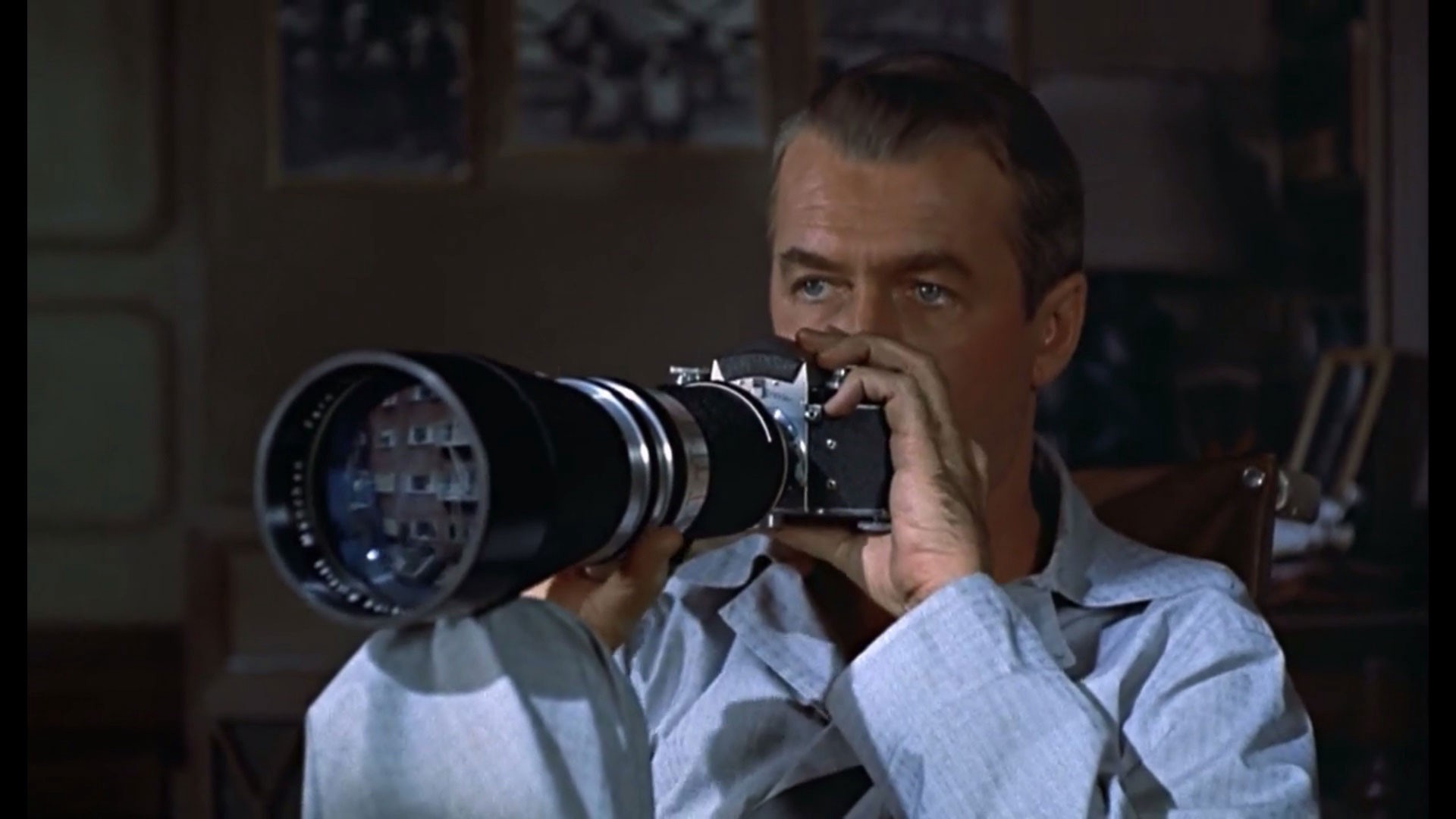
Arguably Hitchcock’s greatest trick is keeping the camera localized entirely within the apartment for the duration of Rear Window. Not only does it impose the requisite claustrophobia, it conflates the audience with the film’s voyeuristic protagonist, thereby immediately doing Hitchcock’s work for him. If voyeurism was his foremost obsession (over murder), then this, rather than Shadow of a Doubt, is the Rosetta Stone for his filmography. It’s an ode to the joys and perils of watching people, a gleefully paranoid odyssey that takes place within an area of a few square feet. It’s the ultimate rebuttal to the disappointingly pervasive claim that Stewart was a bad actor, moreso even than Vertigo. Grace Kelly also does her best work with Hitchcock, acting as a perfect foil to Stewart’s character. And while it may not have the action of North by Northwest or the horror of Psycho, it’s among the most entertaining films in his body of work. There’s really been nothing quite like this before or since, it’s a completely singular work of art and a watershed moment for Hitchcock, who promptly embarked on possibly his most fruitful creative era.
2- Psycho (1960)
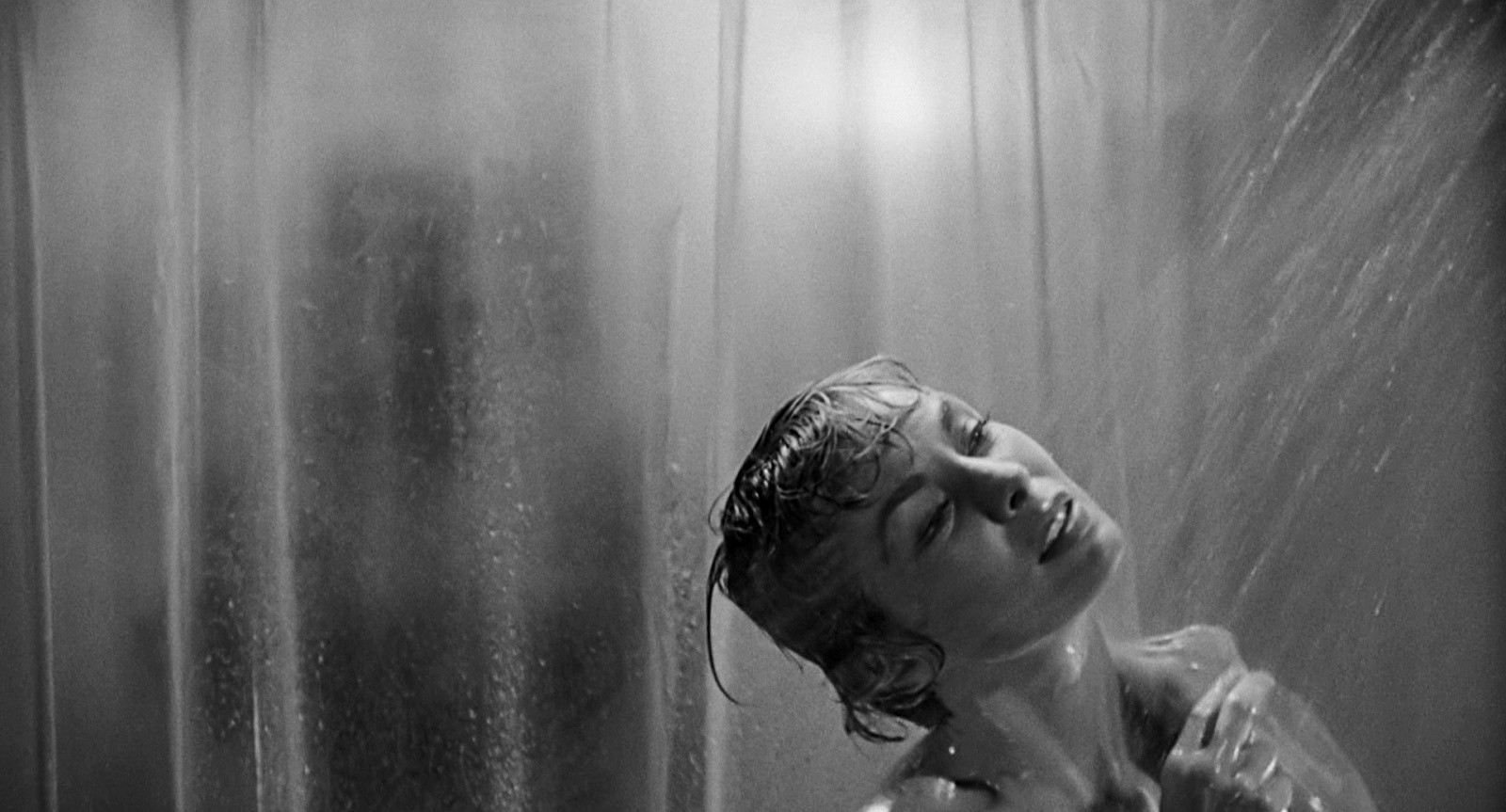
Eternally my favorite Hitchcock film, far and away the one I’ve watched the most, and still a film I routinely can’t believe really exists. Everything about it is so perfect. The most straight-up impeccable thriller there has ever been, so formally faultless that it’s almost offensive that they kept making movies in the same vein. The conviction with which he pulled it off just amazes me- the skill required to spectacularly dispatch your central character halfway through and maintain the same level of control over the story is beyond me. But what will always stick with me is how effective it remains despite having fully seeped into pop culture: my first viewing of it was a massive moment for me and my affinity for movies. It absolutely blew me away the first time I saw it, and that reverence comes out every single time I rewatch it. It’s one of those that reminds me why I love film, and that’s pretty invaluable.
1- Vertigo (1958)

It was never going to not be Vertigo. It’s a film that’s been called one of cinema’s greatest masterpieces so many times that repeating it gets to be boring, but that doesn’t make it any less true. It has that raw power that only the best films have, like every second of it is a gift to the planet and it knows it. It’s been sitting rightfully atop the Sight and Sound poll for eight years now, which is enough time that it’s really begun to be thought of as the greatest film of all time. While I’m not sure I’d go all the way to number one, I can confidently say that Vertigo sits in my all-time top 10, which makes it hard to discuss without making it out to be a purely religious experience. Honestly? That’s fitting. Hushed awe really is the only tone for Vertigo, which has become impossible to view outside the prism of its greatness yet does not fold under pressure. As much as I love Psycho, as tempting as it is to pull a hyper-contrarian take like Rebecca out, this is Hitchcock’s greatest achievement.
 The Movie Files