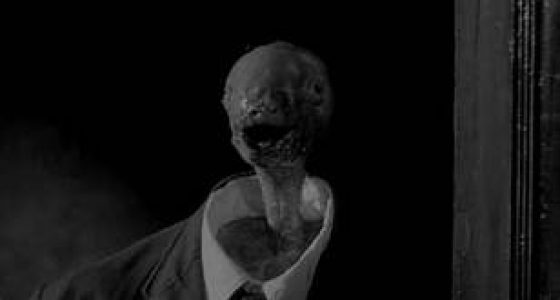
Here is the State of the Top 150 Films of All Time Project

So, it’s been many months since the last installment of what was supposed to be a recurring series on this blog running through my personal list of the 150 greatest films of all time. A combination of many factors, such as an incomparably hectic few months and an increasing disillusionment with the locked-in list as I was watching more prospective honorees, prevented it from ever coming through. It was a true candle in the wind, one of those rare artistic visions too colossal and ambitious in scale to ever become reality, like Kubrick’s Napoleon or Brian Wilson’s Smile.

This is a roundabout way of saying that the list is dead. It has been rendered far outdated, and any attempts to continue it in its prior state would only worsen that. But it feels wrong to just abandon it, cast it off, accept failure. So here is what I’m going to do: in this post, I will publish the remaining 130 films, unannotated and in order, on the iteration of the list I was working with. This will follow shortly. After this, I will go through some of the new arrivals, trying to approximate where they would place and why they broke into the ranking. And then I’m thinking I’ll go through some notable films I didn’t get to write about on my Titanic-esque failure of a first pass. Sound good? Good. So without further ado, here’s 130 movies that are real good:

130. City Lights (Chaplin, 1931)

129. Star Wars (Lucas, 1977)

128. Good Morning (Ozu, 1959)

127. The Wolf of Wall Street (Scorsese, 2013)

126. Eternal Sunshine of the Spotless Mind (Gondry, 2004)

125. Caché (Haneke, 2005)

124. Black Christmas (Clark, 1974)

123. Stalker (Tarkovsky, 1979)

122. How Green Was My Valley (Ford, 1941)

121. Who’s Afraid of Virginia Woolf? (Nichols, 1966)

120. A City of Sadness (Hou, 1989)

119. Singin’ in the Rain (Donen and Kelly, 1952)

118. The 36th Chamber of Shaolin (Lau, 1978)

117. Eastern Promises (Cronenberg, 2007)

116. Twin Peaks: Fire Walk With Me (Lynch, 1992)

115. The Conversation (Coppola, 1974)

114. Christine (Carpenter, 1983)

113. McCabe and Mrs. Miller (Altman, 1971)

112. Thief (Mann, 1981)

111. Kiki’s Delivery Service (Miyazaki, 1989)

110. Carnival of Souls (Harvey, 1962)

109. Dawn of the Dead (Romero, 1978)

108. Daughter of the Nile (Hou, 1987)

107. The Silence of the Lambs (Demme, 1991)

106. Yi Yi (Yang, 2000)

105. Husbands (Cassavetes, 1970)

104. Three Colors: Blue (Kieslowski, 1993)

103. The Passenger (Antonioni, 1975)

102. The Lobster (Lanthimos, 2015)

101. The Graduate (Nichols, 1967)

100. Barry Lyndon (Kubrick, 1975)

99. Manhunter (Mann, 1986)

98. Right Now, Wrong Then (Hong, 2015)

97. Phantom of the Paradise (De Palma, 1974)

96. All About My Mother (Almodovar, 1999)

95. The Social Network (Fincher, 2010)

94. Schindler’s List (Spielberg, 1993)

93. Network (Lumet, 1976)

92. Wendy and Lucy (Reichardt, 2008)

91. The Holy Mountain (Jodorowsky, 1973)

90. They Live (Carpenter, 1988)

89. The Departed (Scorsese, 2006)

88. Rebecca (Hitchcock, 1940)

87. A Chinese Ghost Story (Ching, 1987)

86. Punch-Drunk Love (Anderson, 2002)

85. Collateral (Mann, 2004)

84. Yourself and Yours (Hong, 2016)

83. La Jetée (Marker, 1962)

82. The Age of Innocence (Scorsese, 1993)

81. The Thing (Carpenter, 1982)

80. The Host (Bong, 2006)

79. The Irishman (Scorsese, 2019)

78. Kill Bill (Tarantino, 2003/2004)

77. Rosemary’s Baby (Polanski, 1968)

76. The Killing of a Chinese Bookie (Cassavetes, 1976)

75. Big Trouble in Little China (Carpenter, 1986)

74. Amadeus (Forman, 1984)

73. Memories of Murder (Bong, 2003)

72. Gone Girl (Fincher, 2014)

71. Suspiria (Argento, 1977)

70. Before Sunrise (Linklater, 1995)

69. Grand Illusion (Renoir, 1937)

68. Prince of Darkness (Carpenter, 1987)

67. Rashomon (Kurosawa, 1950)

66. Pierrot le Fou (Godard, 1966)

65. Before Sunset (Linklater, 2004)

64. Once Upon a Time in Hollywood (Tarantino, 2019)

63. The Seventh Seal (Bergman, 1957)

62. No Country For Old Men (Coen Brothers, 2007)

61. Zodiac (Fincher, 2007)

60. Hannah and Her Sisters (Allen, 1986)

59. Moonlight (Jenkins, 2016)

58. Inglourious Basterds (Tarantino, 2009)

57. 2001: A Space Odyssey (Kubrick, 1968)

56. All That Heaven Allows (Sirk, 1955)

55. Halloween (Carpenter, 1978)

54. The Big Lebowski (Coen Brothers, 1998)

53. Mishima: A Life in Four Chapters (Schrader, 1985)

52. Annie Hall (Allen, 1977)

51. Parasite (Bong, 2019)

50. Magnolia (Anderson, 1999)

49. Rear Window (Hitchcock, 1954)

48. Citizen Kane (Welles, 1941)

47. Boogie Nights (Anderson, 1997)

46. The Apartment (Wilder, 1960)

45. There Will Be Blood (Anderson, 2007)

44. M (Lang, 1931)

43. Alien (Scott, 1979)

42. Talk To Her (Almodovar, 2002)

41. Burning (Lee, 2018)

40. Eyes Wide Shut (Kubrick, 1999)

39. The Texas Chain Saw Massacre (Hooper, 1974)

38. High and Low (Kurosawa, 1963)

37. In a Lonely Place (Ray, 1950)

36. Ikiru (Kurosawa, 1952)

35. Metropolis (Lang, 1931)

34. Casablanca (Curtiz, 1942)

33. Possession (Zulawski, 1981)

32. The Godfather Part II (Coppola, 1974)

31. Apocalypse Now (Coppola, 1979)

30. Paris, Texas (Wenders, 1984)

29. A Matter of Life and Death (Powell and Pressburger, 1946)

28. Blow Out (De Palma, 1981)

27. The Shining (Kubrick, 1980)

26. The Lady From Shanghai (Welles, 1947)

25. The Godfather (Coppola, 1972)

24. Do the Right Thing (Lee, 1989)

23. Pulp Fiction (Tarantino, 1994)

22. Bicycle Thieves (De Sica, 1948)

21. Stop Making Sense (Demme, 1984)

20. U.S. Go Home (Denis, 1994)

19. Demonlover (Assayas, 2002)

18. Psycho (Hitchcock, 1960

17. Wild Strawberries (Bergman, 1957)

16. Spirited Away (Miyazaki, 2001)

15. Solaris (Tarkovsky, 1972)

14. Seven Samurai (Kurosawa, 1954)

13. A Touch of Zen (Hu, 1971)

12. Eraserhead (Lynch, 1977)

11. Goodfellas (Scorsese, 1990)

10. Mulholland Drive (Lynch, 2001)

9. Vertigo (Hitchcock, 1958)

8. Tokyo Story (Ozu, 1953)

7. Persona (Bergman, 1966)

6. Chungking Express (Wong, 1994)

5. Beau Travail (Denis, 1999)

4. The Red Shoes (Powell and Pressburger, 1948)

3. In the Mood for Love (Wong, 2000)

2. Nights of Cabiria (Fellini, 1957)

1. Ran (Kurosawa, 1985)

And there you have it. I can’t really claim that I don’t stand by this list, because I did pretty much just publish it involuntarily. But I have to say that typing it all out, I did have some major problems with some of my own placements. For instance, I felt there was some visible pressure to pay due respect to canon classics (see: Citizen Kane, Bicycle Thieves, movies I do adore) by placing them above movies I feel more strongly about (I really would’ve loved to put Mishima or Prince of Darkness or Burning a bit higher). As much as I love The Lobster, I cringed a little at typing it right after The Passenger. The Hou and Hong films all felt too low. There are not 12 movies better than A Touch of Zen, since its initial placement here I think I’ve probably moved it up to 2, if not 1 on days in which I’m in the right mood. But those are mostly minor quibbles, so I don’t think I can disown the list completely.

But what I can do is amend it, and in a form far less concrete and bound to mostly arbitrary rankings. So I’ll move on to the next part of this post: the newcomers. These are in no particular order, in many cases I haven’t even attempted to write much about them. But I feel like they deserve at least some mention, especially if this is ever read as an indicative accounting of my taste.

Cure (Kiyoshi Kurosawa, 1997)
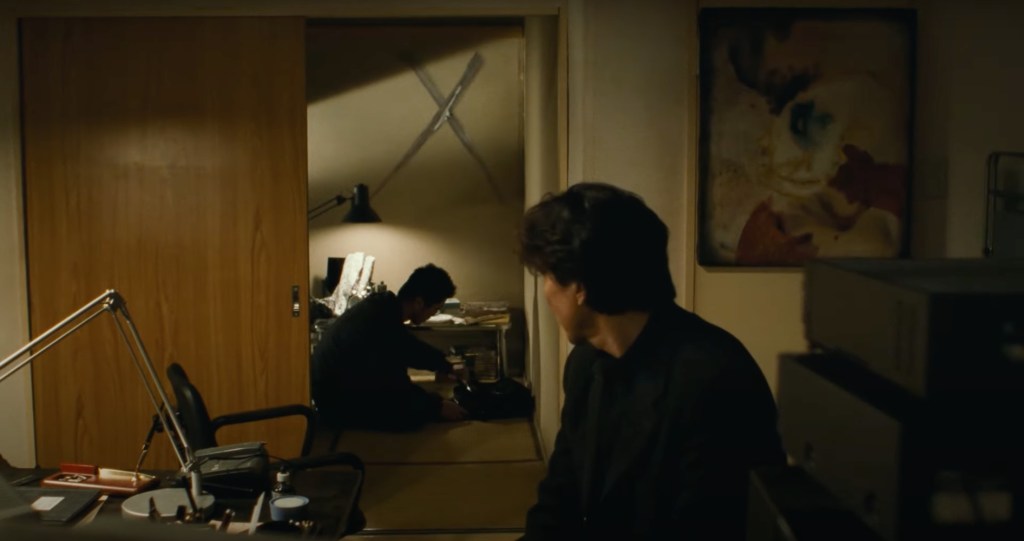
Readers of this blog may remember that I wrote about Cure in my shellshocked daze after first watching it back in September. I don’t have much to add to that capsule, but I will say that the film’s final moments have indeed been burned into my brain ever since. If I had to place it? Top 50, probably, maybe higher. A masterpiece in every sense of the word.

Personal Shopper (Olivier Assayas, 2017)

The recent reaction to Spencer has cooled this off a good amount, but I feel like there are enough people that are still doing the “Kristen Stewart is a bad actress” shtick that it merits saying: no. She is not. This film has been around for years, we should all know this by now.

Goodbye, Dragon Inn (Tsai Ming-liang, 2003)
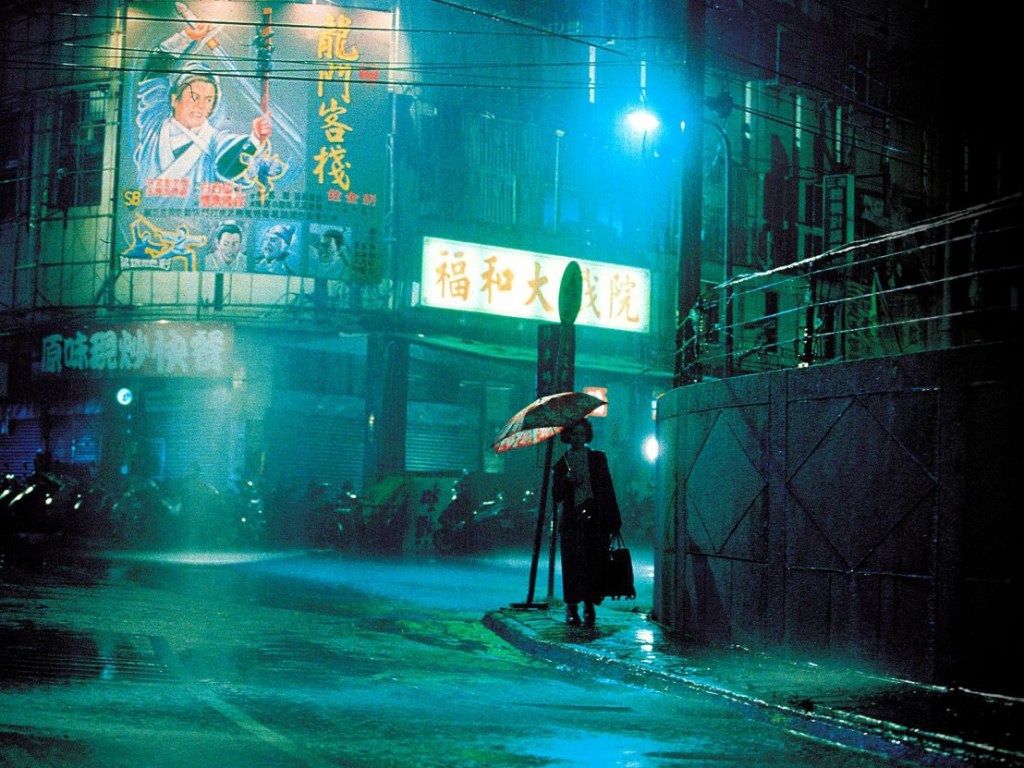
“Do you know this theater is haunted?”

That’s the first line of dialogue in Goodbye, Dragon Inn. It comes about 30-40 minutes into an ~80 minute movie. The exchange it begins will be quickly finished, and then there will not be another until the film is almost over. Tsai Ming-liang makes movies that one might be accused of faking liking to seem sophisticated, slow (sloooooow) rolling, languorous meditations that force the viewer to take complete stock of their surroundings. This one is set in a movie theater on its last night of operation, playing King Hu’s martial arts classic Dragon Inn to a pitifully small crowd. The film follows that crowd and the theater’s few employees as they watch the movie, get up and walk around, and occasionally shuffle off to the bathroom. This is all that happens. And it’s incredible. Tsai’s elegiac manner of shooting the theater and its denizens brings them to life in a way that’s at odds with his glacial veneer. It’s hypnotic and beautiful, a set of visuals that reminded me why I love movies so much and introduced me to a new way in which they could amaze.

Flowers of Shanghai (Hou Hsiao-hsien, 1998)

Flowers of Shanghai

On the previous version of the list, Hou Hsiao-hsien appears three times (How about that!), at 108 for Daughter of the Nile, 120 for A City of Sadness, and 134 for Millennium Mambo. I commented earlier that all of those now feel too low to me. Anyway, if those were to get moved up considerably, this one would land a pretty favorable spot, considering that it is his best film. It’s his most ornately designed, his most visually stunning, and one of his most emotionally resonant.

Running on Karma (Johnnie To, 2003)
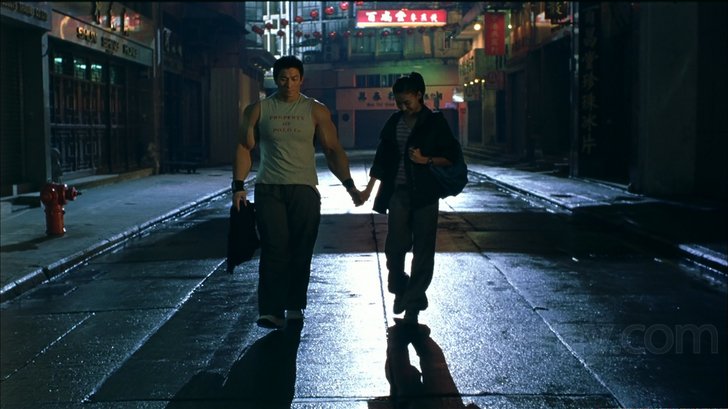
Film Review: Running on Karma (2003) by Johnnie To and Wai Ka-fai

By nature, this kind of ranking project is self-defeating. As I learned very quickly, it becomes immediately and permanently dated as you see more stuff or as taste evolves around stuff you’ve already seen. Which is a good part of why I’m trying to pivot away from the hard-and-fast rankings in this portion, and trying to focus more on the films themselves: pinning them down to a number feels reductive.

For instance, how in the hell am I supposed to know where on my all-time list to definitively rank something like Running on Karma? A film so staggeringly great and so completely singular, it compels reverence while eluding comparison, plays down the idea of defining its magnificence by the sheer nature of it. This is a film, maybe more than any other film, that exists within its own idiom, bending cinematic grammar to its own will and wringing a titanic emotional response out of images that would seem, in a vacuum, completely absurd. There are days when I would feel comfortable calling it the single greatest film I’ve ever seen. How do you assign a ranking to a spiritual experience?

Throw Down (Johnnie To, 2004)

Throw Down (2004) | The Criterion Collection

Over the summer, I watched a handful of Johnnie To movies, and by the time the Criterion Collection release of Throw Down rolled around in the fall, I had a pretty firm grasp on how the guy works. So I wasn’t even a little shocked when Throw Down blew me away with its bracing newness and vitality, because the key principle of Johnnie To’s cinema is that he is always going to find a way to do something you wouldn’t expect. He is always going to bend the laws of time and space and film to churn out miracle after miracle, expansions on his traditional ideas and styles and formulas that seem so brazen and new despite their similarities because they are brazen and new. To at his best is possibly the least lazy director of all time, constantly inventing and reinventing to perfection. He’s on his own planet in terms of style, in terms of quality, in terms of everything.

Assorted Other Films by Johnnie To

Exiled (2006) directed by Johnnie To • Reviews, film + cast • Letterboxd

Aaaaaand here he is again. These include 2006’s Exiled (pictured above), 1998’s A Hero Never Dies, and 2003’s PTU. They are all clearly among the finest films ever made, and yet none of them really warrant their own spot, because then this section would be bogged down by Johnnie To at a level that’s probably earned, in all honesty, but still doesn’t really feel fair. It’s so funny to me that Exiled doesn’t get its own section, because Exiled is probably better than at least, like, 80-90% of the stuff on the initial list. This guy’s pretty solid.

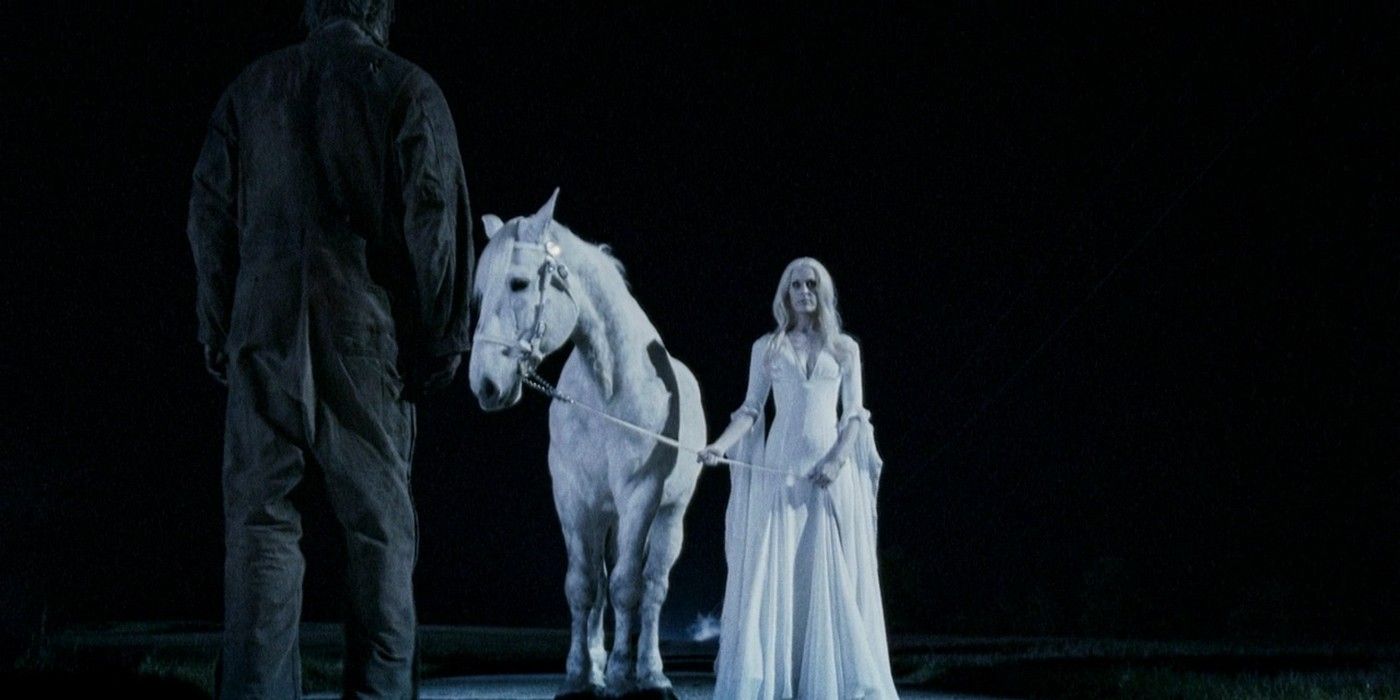
Halloween II (Rob Zombie, 2009)
Rob Zombie Prefers His Halloween 2 Over His Halloween Remake

Look. To anyone who hasn’t seen a Rob Zombie film (and even to a lot of people who have!) I can see how citing Rob Zombie’s *sequel to his Halloween remake* as one of the greatest films ever made might seem fundamentally unserious. I assure you, I am not joking. First of all, Zombie’s cinematic style is brilliant, oppressive and visceral in a manner that makes him one of the most essential contemporary horror filmmakers. Proceeding from there, what you have to understand about Halloween II is that it is functionally the culmination of Zombie’s entire aesthetic and ethos. It’s a primal scream of a film, the most effective distillation of horror into existential chaos of the 21st century. How one can look at the sweep of Zombie’s ideas and abilities present here and dismiss him as a purveyor of shlock confounds me.

Comrades: Almost a Love Story (Peter Chan, 1996)

Running Out of Karma: Peter Chan's Comrades, Almost a Love Story – The End  of Cinema

You know what’s great about Comrades: Almost a Love Story? The subtitle. Because it’s really true. 4 years later, star Maggie Cheung would star in In the Mood For Love, which is similar in subject matter (charting a relationship that may be about to turn romantic), but derives most of its power from the growing realization that it’s been a love story the whole time, it’s the characters who won’t let it be. Comrades is less emotionally volatile, really committing to being almost a love story, but letting its central pairing feel out the world around them. It’s an amazing, underseen film, one of the bright spots of Hong Kong’s excellent 90s. Also features iconic Wong Kar-Wai cinematographer Christopher Doyle as a crotchety, mildly alcoholic English teacher!

So the last thing I wanted to do to bring this project to something of a respectable close was run through some of the most notable films on the list itself, ones I didn’t get the chance to talk about but would’ve liked to. So, here are those, starting with the champion itself:

Ran (Akira Kurosawa, 1985)

Ran (1985): “In A Mad World, Only The Mad Are Sane” – A Fistful of Film

Here’s the thing about Ran: Kurosawa did Shakespeare other times. He made Macbeth adaptation Throne of Blood in 1957, and loose Hamlet modernization The Bad Sleep Well in 1960. And he made other colossal epics in his 1980s return-to-Japan color period, specifically Kagemusha, the oft-overlooked spiritual sibling to Ran. And, as looking at the top portion of the list should make clear, he delivered other absolute, out-of-the-park all timers, arguably more than anyone else. He has four films in the top 40. He made Seven Samurai. His resume is unimpeachable. And yet Ran pretty clearly stands out to me as the best thing he ever made. The texture is so raw and angry and richly detailed, the narrative is propulsive and solemnly reflective, and at around the one-hour mark he breaks for an awe-inspiring battle scene that stands unrivaled, in my mind, as the most incredibly sequence ever put to film. Over the summer, I went to see it in a theater in New York, and had what can only be described as a religious experience. Right before it started, theater staff announced to the audience that the air conditioning was broken, and we’d have to continue sweating it out for the entirety of this nearly three-hour movie. You could sense the energy in that room, and nobody really cared. This was a group of people completely enraptured in this film’s artistry, the spectacular magnificence of what we were watching. The first time I saw it was on a computer screen, and it stood out to me as possibly the pinnacle of the art form. That second time, in a packed crowd, on a big screen? It left no doubt. A King Lear adaptation that somehow manages to start a conversation on whether or not it eclipses the source material, itself maybe Shakespeare’s finest moment. This is as good as it gets.

A Touch of Zen (King Hu, 1971)

A Touch of Zen review

A rare film that made me feel a similar way to the way I felt during my first watch of Ran. King Hu is one of these guys that seems like he had total control over every single aspect of his films and had them all working to perfection. The staging of his actors, the singular lighting, and the gorgeous sets are presences across all of his films that give off a distinct look. The musical accompaniments are fine-tuned, brilliant bits of purely instrumental audio storytelling. The way he cuts his fight scenes together, the way his plots unravel as a steady escalation through a somehow consistently compelling intensity. A Touch of Zen is the finest example of the limits of cinema as an art form, or, rather, their nonexistence.

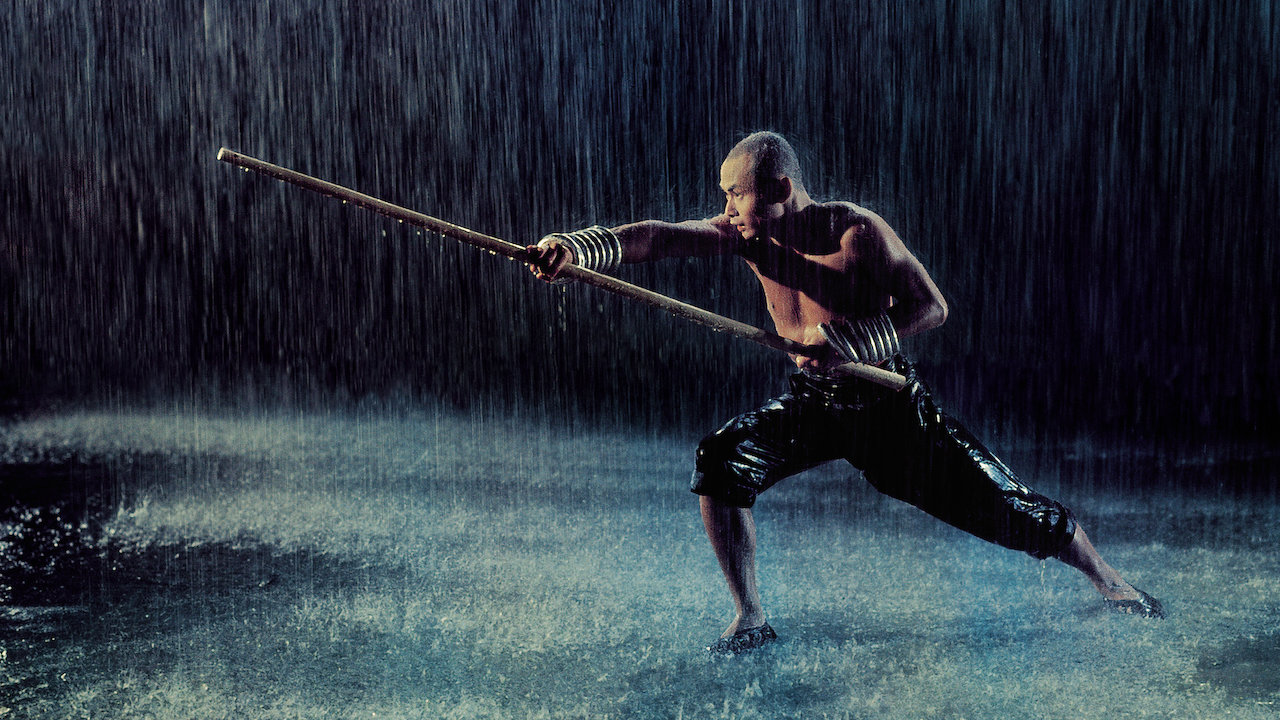
The 36th Chamber of Shaolin (Lau Kar-leung, 1978)
Watch The 36th Chamber of Shaolin | Netflix

This one’s ranked a bit lower than I would put it now, but I wanted to talk about it because it’s one of the films I had in mind when I decided to try writing about the whole list. The film can be described as a half-hour of escalation, an hour-long training sequence, and then the final denouement. Yet the particular genius of Lau here is that the training sequence is the point, the emotional and cinematic core of the film. The finale is almost incidental. He achieves such transcendence in the film’s middle section through an understanding of movement as a central tenet of action filmmaking: the physical command of the actors manages to draw raw passion from a simple narrative, and makes for one of the most compulsively watchable and strikingly beautiful martial arts films ever made (hell, films period).

Prince of Darkness (John Carpenter, 1987)

Prince Of Darkness / The Dissolve

Carpenter’s 80s run is as miraculous as any string of releases any director has assembled. Towards the end of the decade came maybe his best film: Prince of Darkness, an apocalyptic facemelter grounded equally in scientific and religious imagery, revolving around a giant canister of goo that may or may not be Satan. Carpenter plays it with total seriousness and complete command of the visuals, and the result is a perfect distillation of why he’s the best ever. Every time I watch this movie, it occurs to me that you probably don’t even need two hands to count all the better films in existence. And then I remember that it has like a 54 or something on rotten tomatoes and I end up angry at the world all over again.

Burning (Lee Chang-dong, 2018)

Movie Review: BURNING (2018) - Nightmarish Conjurings

The most recent film in the top 50 is Burning, which I feel deserves a shoutout, but on which I also hesitate to write anything for fear of giving away any part of such a richly constructed narrative. So I’ll just say this: do you ever start thinking about something innocuously, and then a little while later you’ve found your train of thought devolved into an existential crisis? Burning is like the feeling of trying to put that away, to convince yourself to stop thinking about something even though you know that only means you’re going to think about it more.

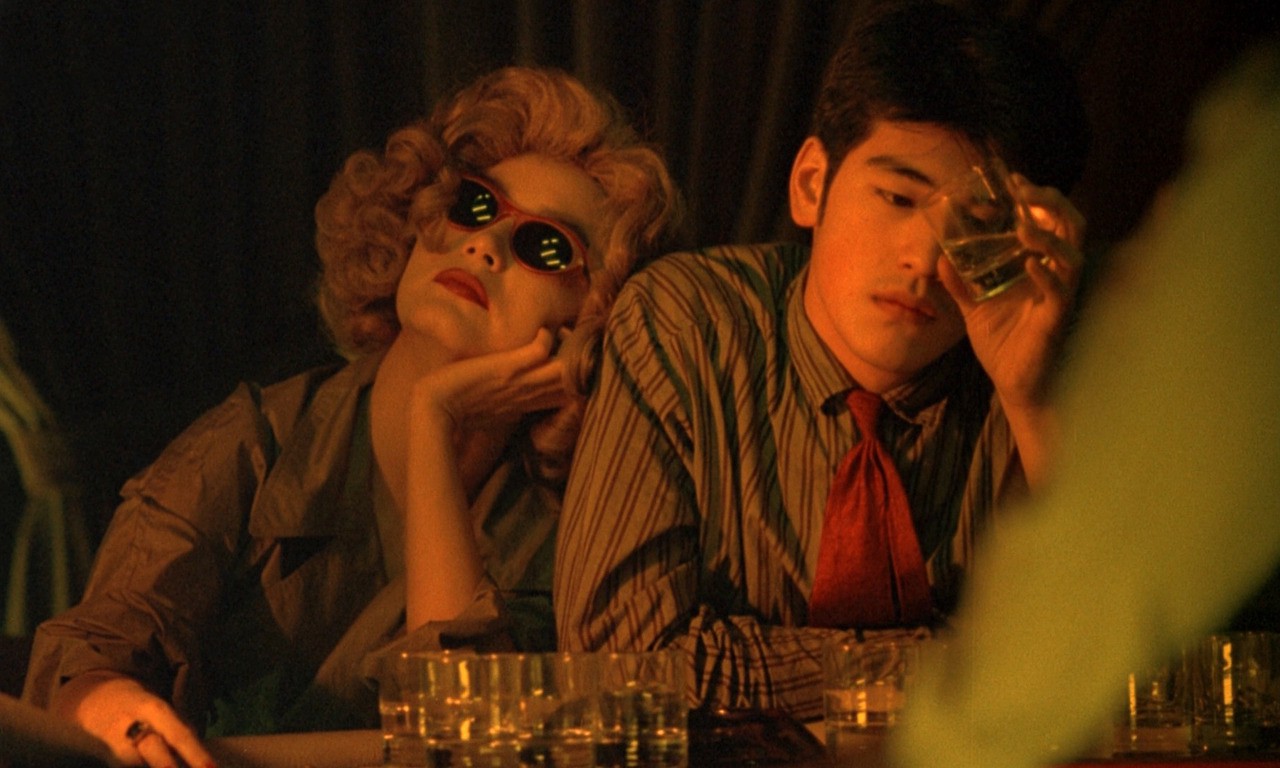
Chungking Express (Wong Kar-wai, 1994)
California Dreams and Expiration Dates: “Chungking Express” | by Ashley  Naftule | Medium

I’ll close this exercise with a word or two about my favorite movie. Sometimes I think that the act of having a “favorite movie” makes no sense, that it’s destined to change constantly, fluidly. That pinning your taste down to one thing is inherently reductive. And then I think about Chungking Express and I go “oh, no, yeah, that is definitely my favorite movie”. What Wong does here is string together a set of wildly disparate scenes and moods and characters that are all compelling to no end on their own, and unifies them into something even deeper. There are four main characters, two stories, and one film in here. There are many things the first and second stories have in common, but the only thing that really links them is their proximity, one starting as the other ends. But so much of what makes Chungking such a unique experience is the shared space between the two. As endlessly delightful as the stories themselves are, their positioning next to each other allows Wong to make grand, sweeping observations within understated gestures, parallels and connections that go from apparently meaningless to absolutely rife with emotion. It’s filled with magic tricks like that, utterly amazing turns of narrative and visual elements that seem simple but are actually monumental. A perfect example of cinema at its most life-affirming.

And this concludes the truncated top 150 films of all time project. Keep your eyes peeled for the next installment of that director rundown I’ve done a few of.

The Movie Files Top 150 Movies of All Time: 140-131

Remember this? It’s been almost three months since the last installment of this ostensibly recurring series. At that pace, it will conclude at the very end of the year 2025. That’s pretty cool, I think, amazing that it times out to almost exactly the end of December. Anyway, hopefully it won’t come to that. It’s already sort of out of date as is. I can’t even imagine how bad that would get by then. So in the name of staving that off, here is the long-awaited second installment in the Movie Files Top 150 Movies of All Time Spectacular:

140– Wild at Heart (David Lynch, 1990)

The Broad Theater Wild at Heart Program Notes - The Broad Theater

The lowest of the four Lynch films on this list (almost five, Blue Velvet came closer than just about anything to making the cut), Wild at Heart was always the one I avoided. For some reason I had myself convinced that it didn’t have the nightmarish full-tilt insanity you would find in his more supernatural work, and as such wasn’t what I was looking for in a Lynch film. Upon actually watching it, this notion was quickly proved to be incorrect. Here’s a quick rundown of some of the stuff in Wild at Heart: pivotal Wizard of Oz-themed dream sequences, Nic Cage singing Elvis, Nic Cage’s snakeskin jacket, Nic Cage repeatedly explaining that his snakeskin jacket “is a symbol of (his) individuality, and (his) belief in personal freedom”, Willem Dafoe playing a perverted, psychotic criminal named Bobby Peru, Willem Dafoe’s perverted, psychotic criminal character’s mustache (below). The film controversially won the Palme d’Or at Cannes, in what stands out today the festival’s finest hour.

The Best Villains in Movie History | Best villains, Movie history, Movies

139– La Dolce Vita (Federico Fellini, 1960)

La dolce vita: Tuxedos at Dawn | The Current | The Criterion Collection

Fellini takes an excessive amount of time (three hours) and goes to work just whaling on the excesses of celebrity culture and high society. For a movie without much of a plot, the three hours are put to good use, with the film following Marcello Mastroianni’s journalist around Rome as he looks in on one debauched display after another, the highs he gets from the nights melting into unforgiving days in which he’s forced to confront the unfulfilling nature of his lifestyle. It’s a draining experience by design, and one that manages to ring eerily true in its depiction of celebrity six decades on. The film cuts to a fundamental human truth about the predisposition towards artificiality that manages to render it impossibly timely. Also, by the way, a pretty breezy three hours.

138– A Better Tomorrow (John Woo, 1986)

A Better Tomorrow” by John Woo (Review) - Opus

I had an epiphany during A Better Tomorrow, action maestro John Woo’s breakout. Somewhere in the middle of the ludicrously stylized shootouts and cop-criminal interplay, it occurred to me that every movie should simply be this. There’s no reason why any movie should forgo scenes of Chow Yun-Fat lighting a cigarette with a 100 dollar bill while wearing sunglasses, or of Chow Yun-Fat gleefully setting up for a shootout in a restaurant in slo-mo while cantopop music plays, or of Chow Yun-Fat then executing said shootout on his own against like a dozen guys with ridiculously over-the-top violence and fake blood. There has never been a cooler movie, and there never will be. It’s time that the film industries of the globe band together and surrender all of their resources to John Woo, in acknowledgement that he is the only one who understands what cinema really is.

137– 2046 (Wong Kar-Wai, 2004)

2046 (2004) - Projected Figures

I thought there were four Wong films on the list, but as it turns out, there are only three. Happy Together must’ve been another late-stage cut. Anyway, this is the first of three, but you won’t be seeing the other two for a loooooooooong time. 2046 is one of Wong’s more polarizing films, with some put off by the intense undercurrent of emotional desolation. It marks the final chapter of a trilogy, perhaps literal, perhaps simply thematic, that began with 1990’s Days of Being Wild and continued in 2000 with In the Mood for Love (although Wong now claims that his upcoming project, Blossoms Shanghai, will be the third part in the ITMFL/2046 trilogy, so who knows what’s going on anymore). Taking this in the initial context, it’s Wong’s most pessimistic film, tracking the end result of a progression from romantic volatility in Days to romantic repression in ITMFL to, finally, romantic unavailability. The film follows Tony Leung, in what might be the finest performance of the greatest actor to ever live, as a science fiction writer channeling his personal frustrations into his work. It oscillates between Leung’s loosely-gripped real world and his dreamlike visions of the titular year as he reflects on his past mistakes, forming a typical Wong rumination that’s far less grounded in reality than anything else he’s ever made. It’s also the last collaboration between Wong and visionary cinematographer Christopher Doyle, and a fitting send-off to cinema’s greatest creative partnership– the film is beautiful, with Doyle making the most of the futuristic landscapes to create some of his most hypnotically surreal work. For a certain stripe of Wong fans, which I count myself among, this is a straight-up delicacy, like watching the inside of his brain churn out art in real time.

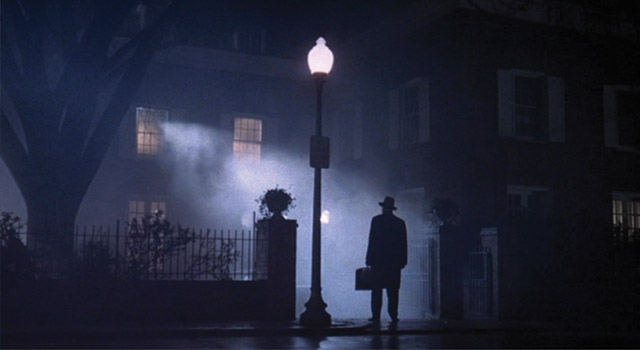
136– The Exorcist (William Friedkin, 1973)

DGA Quarterly Magazine | Fall 2008 | Shot to Remember - The Exorcist

If ever a film has benefitted from becoming a myth, it’s this one. You hear stories as a kid, everyone does, and then those stories ferment in the impressionable, easily terrified minds of children and they take on new lives. And entire generations are raised in fear of demon children and spinning heads and whatever possibly overstated terrors one expects to find in this film, and it becomes The Scariest Movie Of All Time, and that means something. It’s now a rite of passage, a tradition partaken in by budding horror fans across the globe. Everyone sits there in the dark while those strings from your nightmares play over the opening title and it hits you that this is it, this is the be-all-end-all, the big one, the most notorious and frightening film ever made. Even if that doesn’t end up being the case, if there are bigger fish and scarier films, and there are, it doesn’t disappoint. Ever. Not in the slightest.

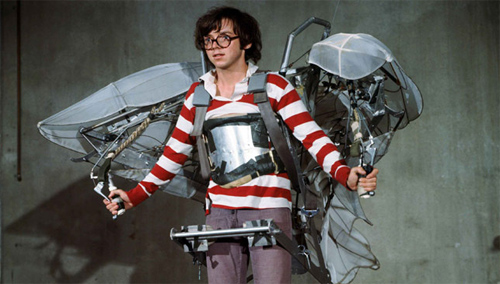
135– Brewster McCloud (Robert Altman, 1970)

Lone Star Cinema: Brewster McCloud | Slackerwood

In 1970, legendary filmmaker Robert Altman directed M*A*S*H, an American classic that spawned an even more classic TV show and earned several Oscar nominations. He also made a far, far better film, decidedly not an American classic that did not spawn a spinoff TV show based around Rene Auberjonois’ lunatic ornithologist or any of the other madcap avian activity that punctuates what is, from one perspective, a surrealist hellscape akin to Hitchcock’s The Birds. But what makes Brewster McCloud great is its wholehearted commitment to nonchalantness in the face of total insanity. It’s a fever dream with the explicit aim of being offbeat, rather than intentionally confusing or oppressively dark. It’s the kind of thing that’s hard to explain, that can only be felt, except if you were to show it to someone with the goal of making them feel it they would likely feel that you were insane.

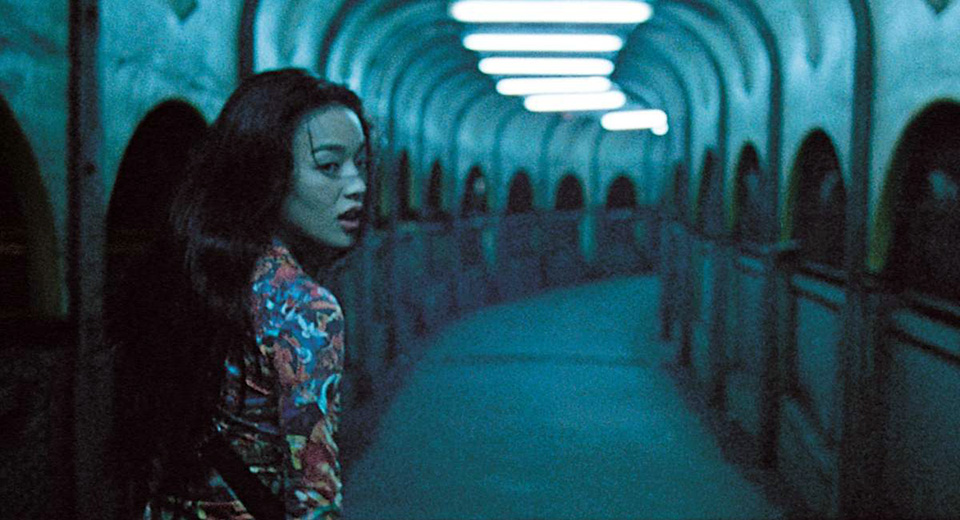
134– Millennium Mambo (Hou Hsiao-hsien, 2001)

Millennium Mambo | Screen Slate

Taiwanese master Hou Hsiao-hsien has had a career-long fixation on retrospection. The idea of being haunted by the past, of living in it, defines his body of work. 2001’s Millennium Mambo, set at the onset of the 21st century, manages to apply this conceit to a contemporary setting with a simple twist: the film is narrated by the main character from ten years in the future as she looks back on her life in the year 2000. It allows Hou to examine a period of time with a rare urgency while not sacrificing the lament and regret that mark the rest of his work. Sleepwalking through life while actively regretting your choices as you make them. One of Hou’s sharpest films, and possibly the one that lingers the most.

133- The Earrings of Madame de… (Max Ophuls, 1953)

The Earrings of Madame De… – French Institute Alliance Française (FIAF)

Two notes on this underseen masterpiece:

  1. For a while I had no idea why her last name wasn’t given in the title, and was intentionally blocked out in the movie. Then it hit me that it’s a commentary on her lack of identity and individuality in her married life, because this movie is completely committed to devastation to its very core and also perfect.
  2. They really did just kinda have duels back then, huh? Like it was just a thing that could happen, and nobody could really do anything about it? Like “oh, did you hear what happened to Jacques? Yeah, dead, duel. Some guy parked his horse in his spot and he just couldn’t let it go.”

Watch this movie!

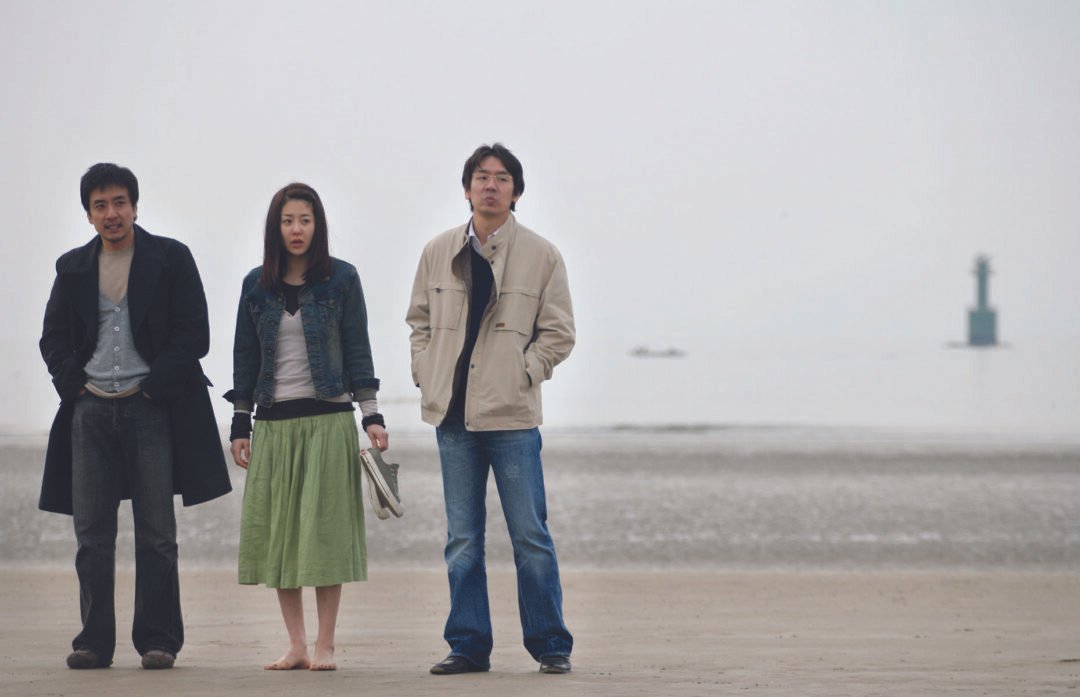
132- Woman on the Beach (Hong Sang-soo, 2006)

Woman on the Beach | Hong Sang-soo - In Review Online

For those unfamiliar with the work of Korean weirdo Hong Sang-soo, here’s a quick, overly deprecating, and unfairly simplistic explanation from a massive fan: all of his movies follow a person or group of people wandering around South Korea being sad and occasionally pausing to consume large quantities of alcohol. They all feature the same style and signature use of the zoom (well, all of them since like 2004, but that’s a digression from my promise of keeping it unfairly simplistic). He reuses the same actors frequently. Almost all of his films feature one character who is a film director. This character will tend to wander around being sad and consuming alcohol with exceptional commitment. They are never portrayed with anything other than total loathing. He is often labeled as simply making the same movie over and over again, which is false, but any attempts on my part to explain the importance of the minute differences from film to film would, perhaps rightly, get me labeled as insane. Woman on the Beach is one of my favorites of his films, both lacerating in the way his work can often be and possessing of the uniquely comforting vibes that only his very best movies manage to communicate. It’s kind of hard to talk about Hong in a vacuum, as so much of his work is best discussed within the context of his other work. But don’t worry. He’ll be here again.

131- If Beale Street Could Talk (Barry Jenkins, 2018)

If Beale Street Could Talk' Offers a Tour of a Lost New York - The New York  Times

Jenkins, perhaps the most exciting contemporary American filmmaker, does Baldwin, perhaps the greatest American of the 20th century, and completely kills it. Beale Street inevitably suffered in the public eye due to the unfortunate task of having to follow Moonlight, which is a shame, because while it might not be better per se, it has stayed with me just as vividly if not more so. While Moonlight is a towering masterpiece about a lifetime within an unkind world, Beale Street is content to be a smaller, quieter movie about existing both within that world and away from it. Moonlight is a collection of moments, while this film feels like an extended look at one long one. As a result, we see Jenkins taking more time to breathe, to look around and examine the film’s world, give a sense of place and character that’s completely singular, not necessarily more intimate than Moonlight, but intimate in a different sense. This is a beautiful, compassionate, towering work of art in its own right, one of the very best films of the last few years.

The Movie Files Top 150 Movies of All Time: 150-141

I feel like I should open by saying: Hi. It’s been a while. As of late, I really haven’t had the time or energy to keep up this blog as much as I typically want to, which has resulted in an utter wasteland of writing on here. The last thing I wrote was almost two months ago and was about the Oscars. Things are dire. So in an effort to turn that around, I’ve settled on a single, expansive project that I can churn out in manageable installments. What I’ve decided to do is to take my unwieldy top 150 films list that I constantly tinker with, break it up into 10 film chunks, and count them down on here. I have no schedule for when these will be written. I cannot pretend to believe that it’ll be at a one-per-week pace. I can only hope that the pace will be better than what it has been. So let’s dive in. Today we have 150-141, a very strange collection of varied horror movies, arthouse masterpieces, and goofy comedies, for some reason. We begin with a film that could fit comfortably into all three categories:

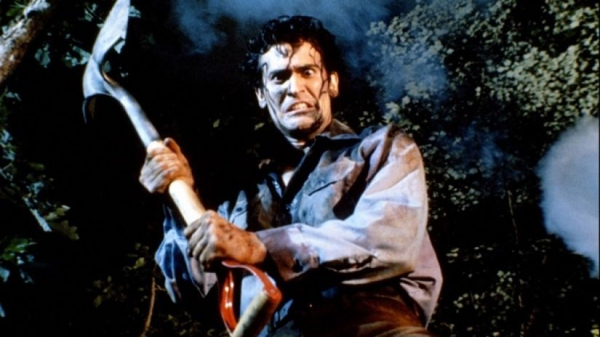
150– Evil Dead II (Sam Raimi, 1987)

Brooklyn Museum: Film: The Evil Dead

The pinnacle of one of the greatest franchises in film history, Evil Dead II sits at the intersection of the first film’s nasty horror and Army of Darkness‘s gonzo comedy. It simultaneously refines the rough edges of The Evil Dead and contorts the trimmed fat into something unique, something that epitomizes Raimi’s career-long commitment to delivering films in conversation with his own id. This is a movie that was directed with the sole purpose of driving forward reckless abandon. To watch it is to get swept up in pure cinematic chaos.

MVP: Bruce Campbell. No contest.

149– Being John Malkovich (Spike Jonze, 1999)

John Malkovich Looks Back on Being John Malkovich Script | IndieWire

Like Evil Dead II, Being John Malkovich works as an experience of pure bewilderment. Unlike Evil Dead II, there’s something going on here besides the chaos. You pivot from laughing at the absurdity of John Malkovich and the New Jersey Turnpike to being genuinely invested in the dark story that’s always been secretly at play. Charlie Kaufman’s ability to probe the human psyche arrived fully formed. A rare thing that feels both profound and easily enjoyable for how funny it is, because it is funny. There’s just a lot more here.

MVP: Malkovich.

148– Inferno (Dario Argento, 1980)

Review: Inferno (1980) - Philosophy in Film

Let’s make it a 3 film run of pure insanity. I believe I’ve talked about Dario Argento on here before, but allow me to do it again anyway: Argento makes fever dreams. If what Raimi’s doing with Evil Dead II is creating a bewildering, stream-of-consciousness nightmare playground, Argento just makes nightmares. The swagger with which he carries his work off is entertaining as hell, but he also genuinely unsettles in an uncanny way. His films communicate primal fears: fears of old buildings, secluded areas, creepy weirdos. There are moments in Inferno that feel so hooked into everything horror movies should be that one wonders why the guy didn’t just retire.

MVP: Give it up for the color blue!

147– That Thing You Do! (Tom Hanks, 1996)

Captain Geech and the shrimp shack shooters : pics

When I was finalizing this list, going over the last few, making ultimate cuts, a thought occurred to me. That thought was “You know what I would really love to put on here somewhere? That Thing You Do“. I mourned the fact that I absolutely could not do this for a second before another thought occurred to me, which was “Wait a minute. This is my list. I can do that”. And here we are. That Thing You Do is one of the most easily watchable movies I’ve ever seen. There’s nothing that feels out of place, nothing that impedes the ridiculous enjoyment it coasts on. Does that necessarily make it one of the greatest movies ever made? Absolutely.

MVP: The song. This doesn’t work if you’re not down to hear the song a billion times, and it manages to pull it off easily.

146– My Neighbor Totoro (Hayao Miyazaki, 1988)

Japanese animation 'My Neighbour Totoro' hits Chinese cinemas 30 years late  | Hong Kong Free Press HKFP

Hayao Miyazaki has built a career out of putting wonder on the screen. The key to Miyazaki’s cinema is his boundless imagination, his capacity to come up with magical creatures and animals and translate them to vibrant imagery. To me, this is why My Neighbor Totoro succeeds so well: the titular Totoro is maybe the epitome of Miyazaki’s ability to throw random crap at the scene and compel amazement. Every time he moves, speaks, or just straight up exists on screen, it’s an important cinematic moment.

MVP: Totoro. Look at him for five seconds and tell me I’m wrong.

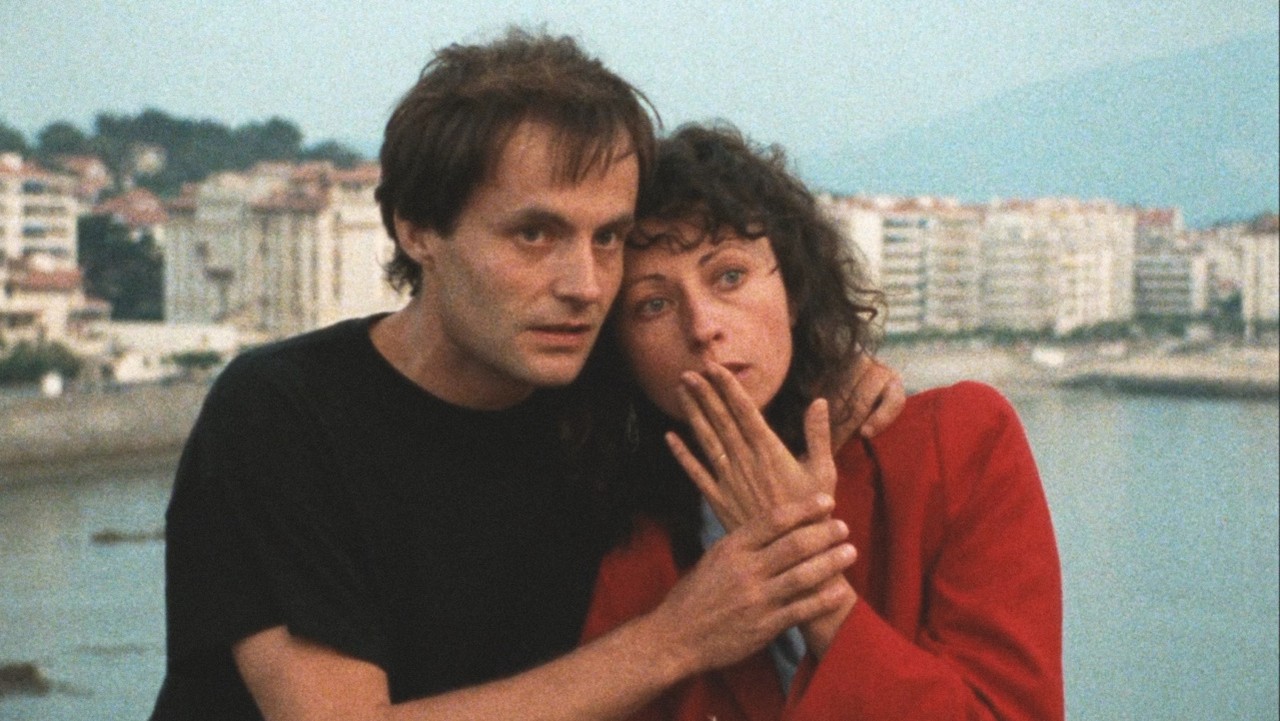
145– The Green Ray (Eric Rohmer, 1986)

The Green Ray (1986) | MUBI

In which Eric Rohmer invites you to wallow in listlessness for about 100 minutes, pausing briefly to give a science lesson about the optics of sunsets. It’s great stuff– Rohmer’s style is laid back and inviting enough that the film’s woozy depression never feels overbearing, and you get to be sad while luxuriating in his wonderfully-communicated feeling of summer. The genius lies in the way it’s enjoyable to watch while also burrowing under your skin, providing a catharsis you didn’t realize you needed while also making you self-aware of things you previously weren’t.

MVP: Marie Riviere completely owns this thing. I’m pretty sure she’s in literally every scene, and I’m almost positive that she plays the only character in more than one scene, so I’m not sure how cutting an observation this is.

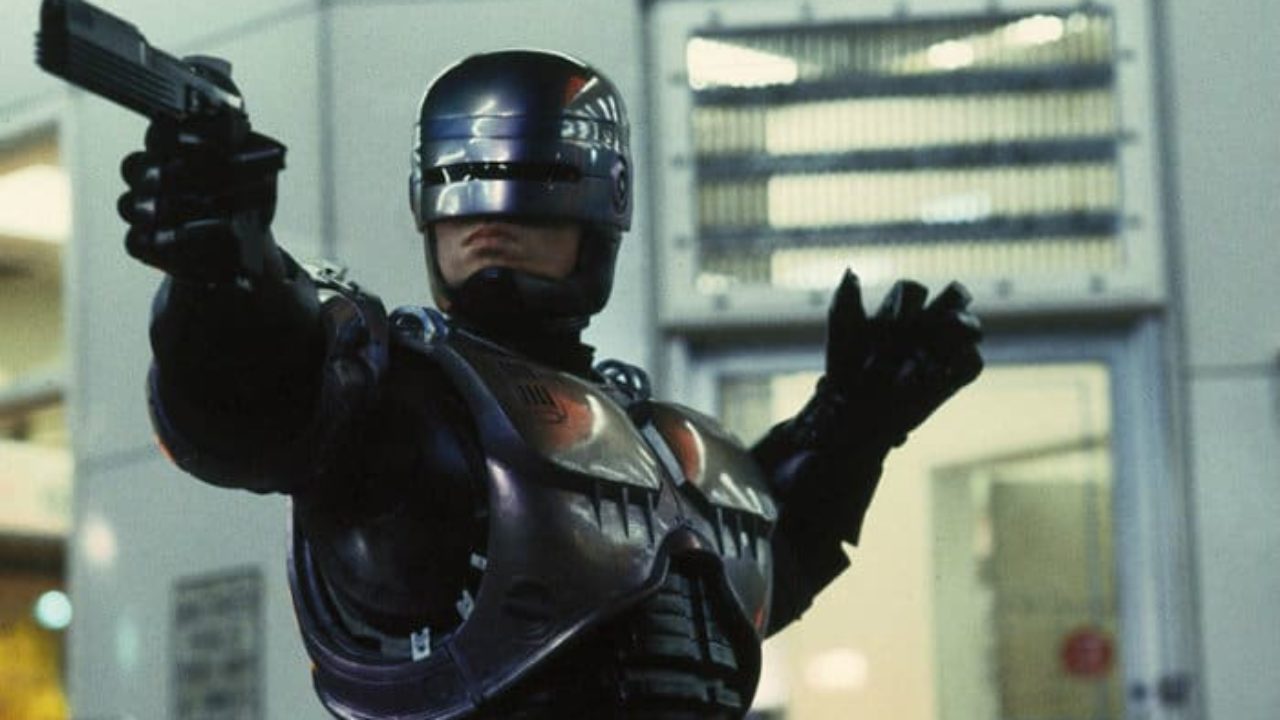
144- RoboCop (Paul Verhoeven, 1987)

The Violent Satire of 'Robocop'

If Starship Troopers was to become Verhoeven’s crowning achievement in his brand of flagrant satirical over-the-top-ness, and Total Recall his opus in sci-fi worldbuilding, the fact that RoboCop is his best film can be explained by how well it synthesizes both of those things. It’s not that Starship Troopers doesn’t create a fully realized world, it does, and it’s not that Total Recall doesn’t work well as a satire, it does. It’s that RoboCop is so stunning in the way it constructs a perfect facsimile of contemporary America in an otherwise unrecognizable reality. What RoboCop has to tell us about ourselves and our society manages to outdo what RoboCop has to tell us about robots shooting dudes.

MVP: The pre-Twin Peaks Miguel Ferrer/Ray Wise tag team, which provides this film with double the normal amount of going “Oh hey it’s the Twin Peaks guy!” at a movie.

143– The Nice Guys (Shane Black, 2016)

Nice Guys' Ryan Gosling, Russell Crowe enjoy themselves

One of the greatest comedies of the 21st century, as well as one of the most unsung. My earliest memory of The Nice Guys was seeing a trailer for it before Batman vs Superman, thinking “Oh wow that looks cool as hell”, and promptly forgetting about it for four years before finally watching it and realizing that it is, in fact, cool as hell. It’s everything you (read: me) might want in this kind of movie: ridiculously committed to its period, featuring an all-too-rare Ryan Gosling comedic performance, utter nonsense. Also, funny as hell. Can’t even begin to imagine how often I think “all the bees are riding around in cars these days” to myself and laugh. I must ask again, does any of this merit consideration at this level of cinematic quality? And to which I answer again, of course it does. The Nice Guys is a cinematic masterpiece.

MVP: Gosling. “Porn is bad.” Second place goes to corpse Robert Downey Jr, though.

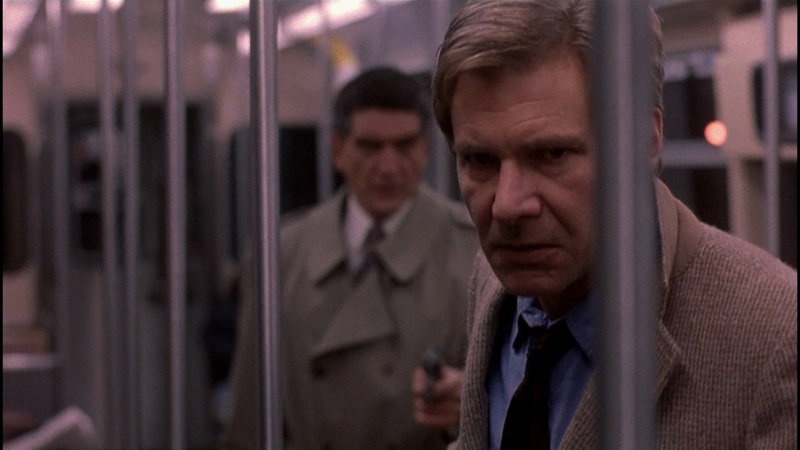
142– The Fugitive (Andrew Davis, 1993)

Man on the run: the haunted grace of "The Fugitive" | MZS | Roger Ebert

Pretty much as perfect as the American studio action-thriller can possibly get. The Fugitive is never dull, never less than completely engrossing, never in danger of letting adrenaline levels drop. It’s such a simple cat and mouse story that’s made into a something special by the commitment of the craft and the performances: Tommy Lee Jones’s “I don’t care” remains the pinnacle of his career, and Ford might be doing his best work here too. Also a notable relic of the period in the early 90s where Julianne Moore was in a bunch of one-scene bit parts that feel almost designed to take advantage of the fact that she was about to be a huge star. She plays an almost completely inconsequential character in this who nonetheless gets undue attention and gravitas that feel like the film was laying the groundwork for decades-later rewatches in which she was the consensus best performer in the cast. I don’t know why I wrote like half of this on the Julianne Moore effect. Odd choice. Anyway, phenomenal movie.

MVP: Tommy Lee Jones

141– Audition (Takashi Miike, 1999)

Audition (1999) - IMDb

Audition is so notorious by now that its primary weapon has been lost. It’s as much of a horror movie as anything else has ever been, but you wouldn’t know it going in blind until maybe the last half hour. This slow burns into hell from a drama borne from what could reluctantly be described as a romcom, but oh man does it ever arrive in hell. Audition is scarring. It’s something you come out on the other side of more than something you watch. It is a nightmare. And it’s stunningly well-made enough that it compels fascination long before it ever arrives there. You could, conceivably, inflict this upon someone who had never heard of it by just giving them the elevator pitch (“guy holds audition for a girlfriend”) and pressing play. You could watch them stick with it and then slowly realize what’s happening, and then watch them recoil in shock and disgust. And then they’d never speak to you again, and they’d be right to do it.

MVP: Eihi Shiina’s repetition of “kiri kiri kiri kiri”, which will be with me until the end of time.