I should begin this list with a disclaimer: it isn’t really meant to be taken seriously. At some point the ranking becomes pointless, as some shots aren’t deceptively better than others, or it’s too hard to choose. This was a fool’s errand, and I don’t necessarily stand by my ranking. Except number one, that one is absolutely and indisputably correct.
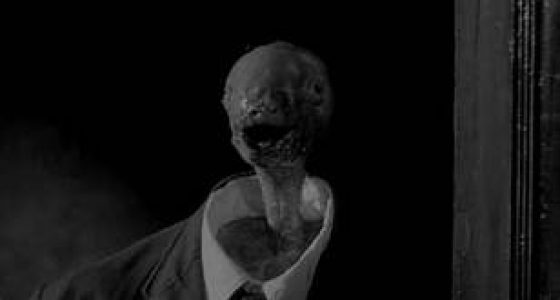
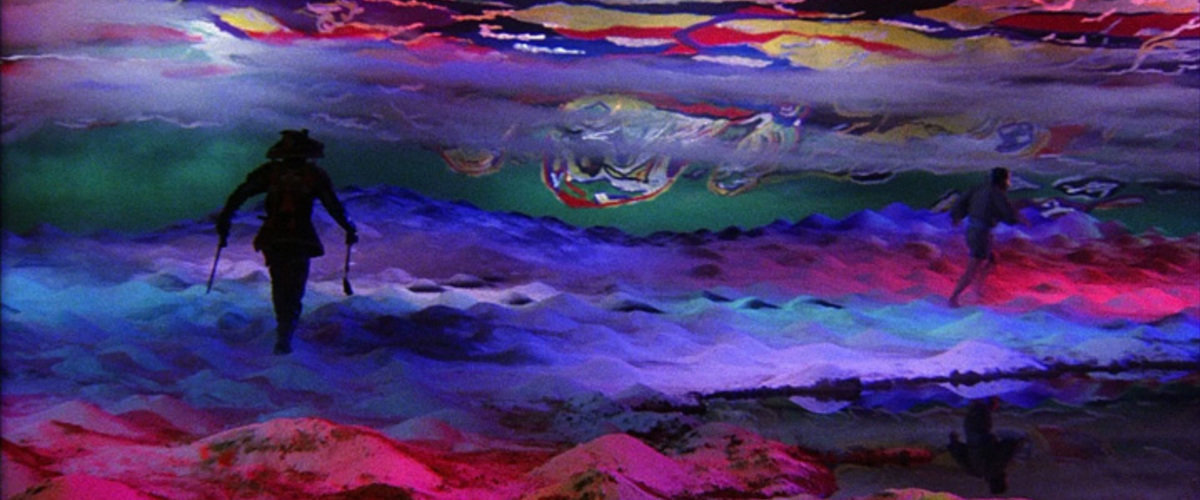
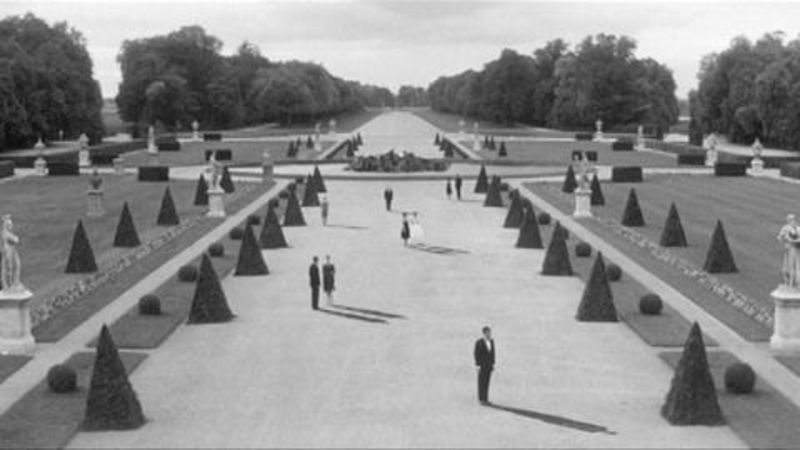
There are a lot of factors at play here- how well they fit in with their individual films is a big one, as is visual stunning-ness (I think that’s a thing). However, because of the former, I didn’t feel as though I should incorporate shots from films I haven’t seen. So before the list begins, a quick look at a few absolutely stunning shots from films I haven’t seen yet:

And now for the list (and again, this is a largely arbitrary ranking):
25- The Grand Budapest Hotel (2014, Wes Anderson)

Wes Anderson’s magnum opus possesses his trademark visual perfectionism in intense and overpowering excess. The use of color in the film is one of its more notable qualities, and this is on display in the above shot.
24- L.A. Confidential (1997, Curtis Hanson)

Curtis Hanson’s brilliant look at corruption in the 1950s LAPD, adapted from the James Ellroy novel of the same name, isn’t known for its visuals- the film is one of the all time greats (and very high up on my list of all-time favorites) due to the masterful character study at its center. And the culmination of the arc of one said character, Guy Pearce’s Ed Exley, takes place immediately preceding this shot. The moment that it’s associated with doesn’t entirely get this shot on the list- it’s pretty fantastic visually, too.
23- There Will be Blood (2007, Paul Thomas Anderson)

There Will be Blood is a dark movie (massive understatement). In this shot, the idyllic blue sky is violently interrupted by a manifestation of Daniel Plainview’s thirst for oil- an explosion of darkness, flame, and smoke that disrupts its peaceful surroundings. It’s hard to think of a better metaphor for There Will be Blood’s central conflict.
22- Kill Bill vol. 1 (2003, Quentin Tarantino)

I just want it to be known that the House of Blue Leaves scene at the climax of Kill Bill’s first half is an awesome, perfect scene in which stuff like this happens every so often and also hundreds of people lose limbs and lives in swordfights. Nuts.
21- Blue Velvet (1986, David Lynch)

I couldn’t explain the significance of the central metaphor of Blue Velvet in a paragraph that’s supposed to be this short, so suffice it to say that if you haven’t seen this film, this image isn’t as haunting to you. If you have, you know why it’s up this high. If you haven’t, you probably shouldn’t watch it unless you can handle some upsetting stuff.
20- Reservoir Dogs (1992, Quentin Tarantino)

Reservoir Dogs’ opening credits sequence is pure style- the slo-mo, the music, the close-ups. The first shot of said sequence is iconic, and it lands on this list as both a perfect intro to the film and to Tarantino’s career.
19- Seven (1995, David Fincher)

By now you know the finale of Seven- even if you haven’t seen it, you probably know what happens after this. But if you have seen it, it holds more weight- it’s the first shot that isn’t drenched in the perennial rain, smog, and despair of the unnamed city in which the majority of the film takes place. This is a reprieve from that, although it’s soon revealed that just as much sinister stuff can happen in brightness as in darkness.
18- Sunset Boulevard (1950, Billy Wilder)

Man, the guts it takes to open your film with narration from the main character’s dead body floating in a swimming pool. Sunset Boulevard was directed by legendary auteur and Super Gutsy Filmmaking Guy™ Billy Wilder, who completely redefined the American cinema for decades. Shots like this go a long way towards explaining why.
17- A Clockwork Orange (1971, Stanley Kubrick)

By FAR the most represented filmmaker on this list is Stanley Kubrick, and his A Clockwork Orange (based on an equally astounding book by Anthony Burgess) is one of four films to be represented twice (one of those was also directed by Kubrick). A Clockwork Orange’s opening scene ranks among the greatest ever- the slow pan back accompanied by Malcolm McDowell’s menacing narration and the chilling synth score form something legendary, indelible, and terrifying.
16- Moonlight (2016, Barry Jenkins)

This list’s most recent film, and a deserving one- Moonlight is, in my opinion, the greatest film of the 21st century, and one of the greatest of all time. Jenkins, between this and last year’s If Beale Street Could Talk (robbed of a best picture nod), has cemented himself as maybe the best filmmaker in the world, mainly due to his gift at creating brilliant and beautiful imagery, much like one of his greatest influences…
15- Fallen Angels (1995, Wong Kar-Wai)

…Wong Kar-Wai, who rules. There’s no way to differentiate between any given artistically brilliant frame in Wong’s masterpiece, In the Mood For Love, so I opted for this shot from the ending scene of Fallen Angels, a movie drenched head-to-toe in the auteur’s legendary and intense style, yet in possession of the same inner longing as ITMFL. I almost prefer Fallen Angels (well, it’s obviously not better, but I almost like it better), if only because of that final scene, which is one of the all time greats. The collaboration between Kar-Wai and longtime DP Christopher Doyle has rarely been better. The neon green of the tunnel that has been seen many times before in the film finally reaches its conclusion, its final purpose, before the camera pans upwards to reveal a glimpse of sunlight, a first in a movie completely bathed in neon and darkness.
14- Vertigo (1958, Alfred Hitchcock)

There isn’t much more to be said about Vertigo, the king of the most recent Sight and Sound poll. There is no misplaced step, no frame unnecessary. The scene where Madeline jumps into the water is incredible, because it displays this shot, illustrating the beauty of San Fransisco and the surrounding scenery before immediately depicting an attempted suicide. Alfred Hitchcock, ladies and gentlemen.
13- Apocalypse Now (1979, Francis Ford Coppola)

Apocalypse Now’s vibrant, surreal, and dangerous atmosphere is its most important quality, as the film’s crux is the slow descent of everything in its universe into madness, into hell on earth. The visuals of Coppola and cinematographer Vittorio Storaro go a long way towards turning the film into what it as become, as it has two spots on this list.
12- Fight Club (1999, David Fincher)

David Fincher’s dark visual style is incredibly effective in films such as Seven and The Social Network, but it’s at its apex in Fight Club. The best shot in the film is the last, as the film’s themes- of inner conflict and lunatics causing destruction- come full circle in the last scene. The narrator and Marla Singer look out on the mayhem that’s been caused, The Pixies’ Where is My Mind plays, “You met me at a very strange time in my life”, it all comes together to form one of the all time great endings. I’m just now realizing I shouldn’t have said any of that.
11- The Shining (1980, Stanley Kubrick

Out of all of the brilliant shots in The Shining (in the snow, “HEEEEEEEEERE’S JOHNNY!), this is the greatest and most haunting one. Kubrick deploys his trademark one point perspective and fames this scene in an unforgettable way. It’ll stay with you forever, and ever, and ever (sorry).
10- The Third Man (1949, Carol Reed)

Honorable mention to the final shot, but my love of the final scene will have to wait for another time. The one that makes the cut is this one, at the conclusion of the climactic chase in the sewers. Reed’s legendary noir puts Joseph Cotten’s Holly Martins through hell, but at the end of it all, there is a way out. There’s a light at the end of the darkness.
Ok I couldn’t help it here’s the last scene.
9- The Seventh Seal (1957, Ingmar Bergman)

Ingmar! This shot has ingrained itself into popular culture more than any other from Bergman’s legendary career (thanks Bill & Ted, I guess), and come on- it’s a guy playing chess with death. That’s awesome. This shot rules, this scene rules, this film rules.
8- Apocalypse Now (1979, Francis Ford Coppola)

The vast majority of Apocalypse Now’s imagery can be described best as haunting. The film portrays Vietnam as a hell unlike anything else, and it all comes down to that one symbol- the helicopters. They are the lasting legacy. Out of all of its most parodied moments, the helicopters rank near, if not at, the top.
7- Vertigo (Alfred Hitchcock, 1958)

One of Vertigo’s defining aspects is the revolutionary and hypnotic use of color. The use of green in this scene, when Judy “becomes” Madeline, is downright trance-inducing. It’s the kind of visual artistry that causes the viewer to experience a bit of the titular condition. On a side note, Hitchcock is one of the greatest directors ever in terms of visuals, and it’s a pity he didn’t make more appearances on this list (this is it).
6- 2001: A space odyssey (1968, Stanley Kubrick)

Well, here it is: the most visually stunning film of all time. This list could’ve pretty much been “Top 25 shots from 2001” (I held myself to 2). Kubrick’s supreme artistry has never been better, as he creates a masterpiece by stringing together awe-inspiring and astounding images. More on 2001 to come, but I’d like to take this opportunity to push my propaganda that HAL has one of the greatest deaths in movie history.
I mean COME ON.
5- A Clockwork Orange (1971, Stanley Kubrick)

Seriously, a fifth of the entries on this list are from Kubrick films, and one of the four from before the list. That’s insane. This Clockwork Orange shot is one of the best from his illustrious career. It frames Alex and his droogs in the background, their shadows occupying the foreground. It’s ominous, brilliant, and it does so much to communicate the themes of the film, which (hot take time) is Kubrick’s best. Don’t hold me to that, I could change my mind in favor of 2001 or even The Shining tomorrow.
4- Mulholland Dr. (2001, David Lynch)

I couldn’t tell you what Mulholland Dr is actually about, but it seems pretty clear that one of the themes is, in some extremely twisted way, being lost in the nightmare that is Los Angeles. This shot puts the figure at its center in at the very bottom, allowing her to occupy an extremely little amount of space. What fills the rest? Towering palm trees, telephone poles, and eerie light. Mulholland Dr is an astounding, dumbfounding, totally nonsensical, brilliant, perplexing film that makes no sense and compels an insane amount of thought (I saw it five months ago and still dedicate a lot of time to trying to crack it). This shot communicates both the alluring beauty and sinister atmosphere of the film, which is why I love it so much.
3- Ikiru (1952, Akira Kurosawa)

Ikiru, Kurosawa’s best film (fight me), culminates in heartbreaking fashion. The protagonist, resigned, spends his final night basking in the result of the only thing that he did in his life- his government work. He enjoys the park he helped make possible, and this act is the most fun he’s ever really had. It snows, and he gets one final moment of beauty in his life. If you needed confirmation as to how great this scene is, it gets homaged in Scott Pilgrim vs. The World. For real, watch this movie, even if you’ve never seen a foreign film in your life. It’s so great.
2- 2001: A Space Odyssey (1968, Stanley Kubrick)

I’ve said all I can about 2001 and about Kubrick. This is one of the film’s most legendary shots, and with good reason. Kubrick’s one point perspective returns, and the sci-fi brilliance of the film shines through in this iconic, fantastic shot. It probably would be number one on the lists of most people dedicated enough to make one. But it has to settle for number two here, taking a backseat to…
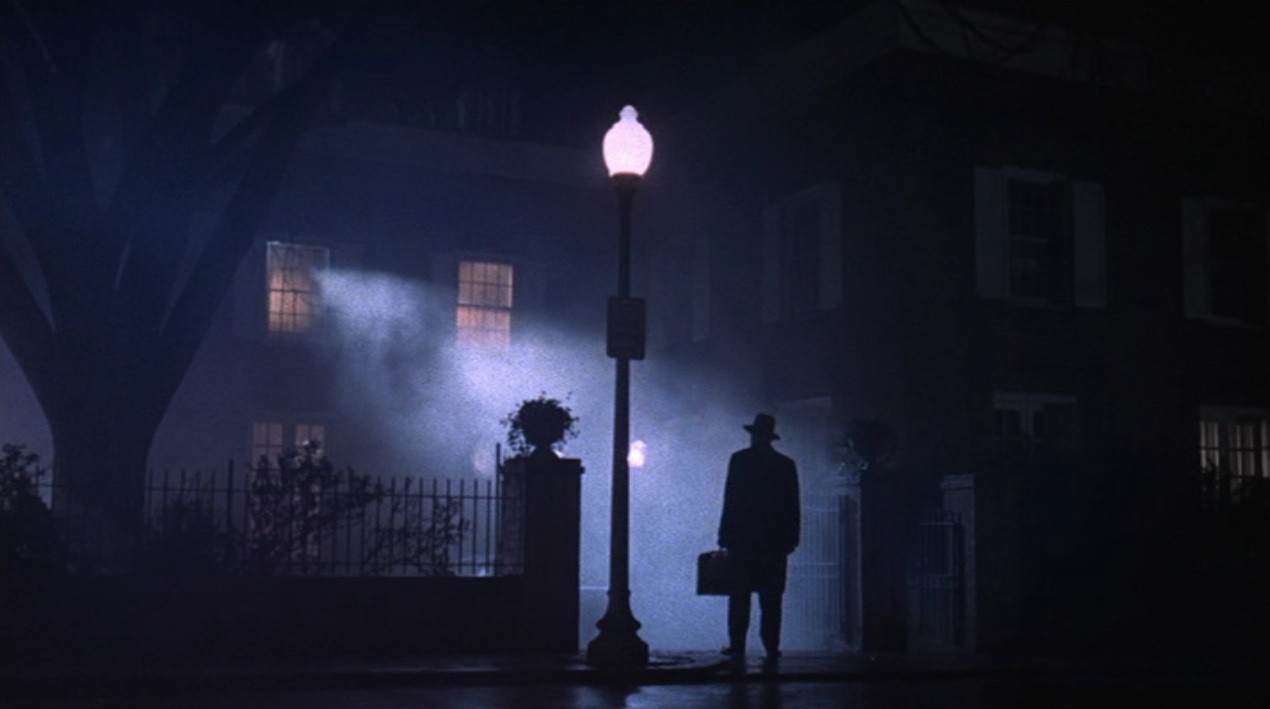
1- The Exorcist (1973, William Friedkin)

C H I L L S. The Exorcist spends most of its runtime building to a conclusion in which nothing good can happen. It reaches that conclusion with this- the arrival of Father Merrin. This is the last thing that happens before the exorcism, and everything about it works. The silhouette of the priest, the streetlight, the mist coming from the house. Perfection.
That’s it. Again, I take no responsibility for the rankings except number one, which I completely stand by. Feel free to disagree, and if you take one thing from this, let it be that Stanley Kubrick was a god.

 The Movie Files