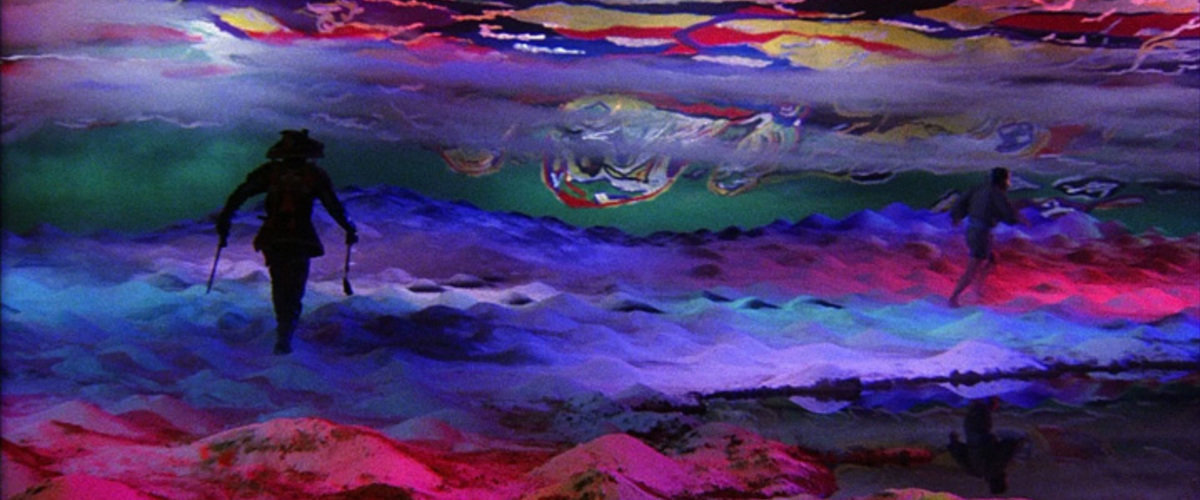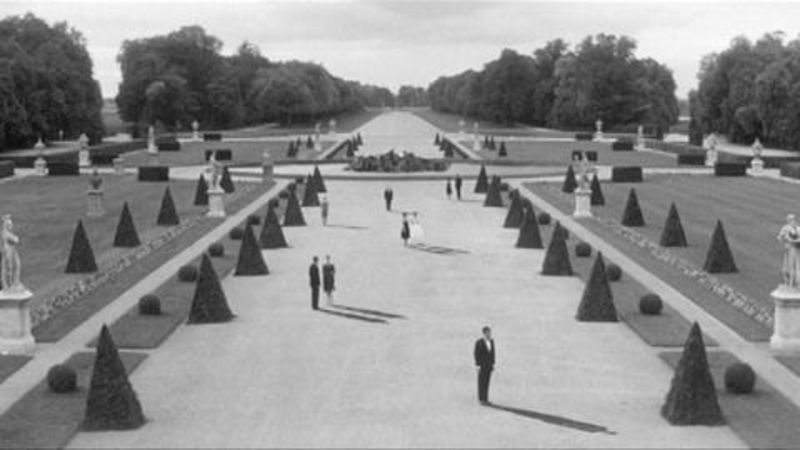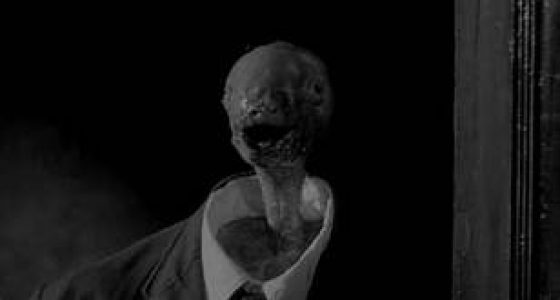
Here is the State of the Top 150 Films of All Time Project

So, it’s been many months since the last installment of what was supposed to be a recurring series on this blog running through my personal list of the 150 greatest films of all time. A combination of many factors, such as an incomparably hectic few months and an increasing disillusionment with the locked-in list as I was watching more prospective honorees, prevented it from ever coming through. It was a true candle in the wind, one of those rare artistic visions too colossal and ambitious in scale to ever become reality, like Kubrick’s Napoleon or Brian Wilson’s Smile.

This is a roundabout way of saying that the list is dead. It has been rendered far outdated, and any attempts to continue it in its prior state would only worsen that. But it feels wrong to just abandon it, cast it off, accept failure. So here is what I’m going to do: in this post, I will publish the remaining 130 films, unannotated and in order, on the iteration of the list I was working with. This will follow shortly. After this, I will go through some of the new arrivals, trying to approximate where they would place and why they broke into the ranking. And then I’m thinking I’ll go through some notable films I didn’t get to write about on my Titanic-esque failure of a first pass. Sound good? Good. So without further ado, here’s 130 movies that are real good:

130. City Lights (Chaplin, 1931)

129. Star Wars (Lucas, 1977)

128. Good Morning (Ozu, 1959)

127. The Wolf of Wall Street (Scorsese, 2013)

126. Eternal Sunshine of the Spotless Mind (Gondry, 2004)

125. Caché (Haneke, 2005)

124. Black Christmas (Clark, 1974)

123. Stalker (Tarkovsky, 1979)

122. How Green Was My Valley (Ford, 1941)

121. Who’s Afraid of Virginia Woolf? (Nichols, 1966)

120. A City of Sadness (Hou, 1989)

119. Singin’ in the Rain (Donen and Kelly, 1952)

118. The 36th Chamber of Shaolin (Lau, 1978)

117. Eastern Promises (Cronenberg, 2007)

116. Twin Peaks: Fire Walk With Me (Lynch, 1992)

115. The Conversation (Coppola, 1974)

114. Christine (Carpenter, 1983)

113. McCabe and Mrs. Miller (Altman, 1971)

112. Thief (Mann, 1981)

111. Kiki’s Delivery Service (Miyazaki, 1989)

110. Carnival of Souls (Harvey, 1962)

109. Dawn of the Dead (Romero, 1978)

108. Daughter of the Nile (Hou, 1987)

107. The Silence of the Lambs (Demme, 1991)

106. Yi Yi (Yang, 2000)

105. Husbands (Cassavetes, 1970)

104. Three Colors: Blue (Kieslowski, 1993)

103. The Passenger (Antonioni, 1975)

102. The Lobster (Lanthimos, 2015)

101. The Graduate (Nichols, 1967)

100. Barry Lyndon (Kubrick, 1975)

99. Manhunter (Mann, 1986)

98. Right Now, Wrong Then (Hong, 2015)

97. Phantom of the Paradise (De Palma, 1974)

96. All About My Mother (Almodovar, 1999)

95. The Social Network (Fincher, 2010)

94. Schindler’s List (Spielberg, 1993)

93. Network (Lumet, 1976)

92. Wendy and Lucy (Reichardt, 2008)

91. The Holy Mountain (Jodorowsky, 1973)

90. They Live (Carpenter, 1988)

89. The Departed (Scorsese, 2006)

88. Rebecca (Hitchcock, 1940)

87. A Chinese Ghost Story (Ching, 1987)

86. Punch-Drunk Love (Anderson, 2002)

85. Collateral (Mann, 2004)

84. Yourself and Yours (Hong, 2016)

83. La Jetée (Marker, 1962)

82. The Age of Innocence (Scorsese, 1993)

81. The Thing (Carpenter, 1982)

80. The Host (Bong, 2006)

79. The Irishman (Scorsese, 2019)

78. Kill Bill (Tarantino, 2003/2004)

77. Rosemary’s Baby (Polanski, 1968)

76. The Killing of a Chinese Bookie (Cassavetes, 1976)

75. Big Trouble in Little China (Carpenter, 1986)

74. Amadeus (Forman, 1984)

73. Memories of Murder (Bong, 2003)

72. Gone Girl (Fincher, 2014)

71. Suspiria (Argento, 1977)

70. Before Sunrise (Linklater, 1995)

69. Grand Illusion (Renoir, 1937)

68. Prince of Darkness (Carpenter, 1987)

67. Rashomon (Kurosawa, 1950)

66. Pierrot le Fou (Godard, 1966)

65. Before Sunset (Linklater, 2004)

64. Once Upon a Time in Hollywood (Tarantino, 2019)

63. The Seventh Seal (Bergman, 1957)

62. No Country For Old Men (Coen Brothers, 2007)

61. Zodiac (Fincher, 2007)

60. Hannah and Her Sisters (Allen, 1986)

59. Moonlight (Jenkins, 2016)

58. Inglourious Basterds (Tarantino, 2009)

57. 2001: A Space Odyssey (Kubrick, 1968)

56. All That Heaven Allows (Sirk, 1955)

55. Halloween (Carpenter, 1978)

54. The Big Lebowski (Coen Brothers, 1998)

53. Mishima: A Life in Four Chapters (Schrader, 1985)

52. Annie Hall (Allen, 1977)

51. Parasite (Bong, 2019)

50. Magnolia (Anderson, 1999)

49. Rear Window (Hitchcock, 1954)

48. Citizen Kane (Welles, 1941)

47. Boogie Nights (Anderson, 1997)

46. The Apartment (Wilder, 1960)

45. There Will Be Blood (Anderson, 2007)

44. M (Lang, 1931)

43. Alien (Scott, 1979)

42. Talk To Her (Almodovar, 2002)

41. Burning (Lee, 2018)

40. Eyes Wide Shut (Kubrick, 1999)

39. The Texas Chain Saw Massacre (Hooper, 1974)

38. High and Low (Kurosawa, 1963)

37. In a Lonely Place (Ray, 1950)

36. Ikiru (Kurosawa, 1952)

35. Metropolis (Lang, 1931)

34. Casablanca (Curtiz, 1942)

33. Possession (Zulawski, 1981)

32. The Godfather Part II (Coppola, 1974)

31. Apocalypse Now (Coppola, 1979)

30. Paris, Texas (Wenders, 1984)

29. A Matter of Life and Death (Powell and Pressburger, 1946)

28. Blow Out (De Palma, 1981)

27. The Shining (Kubrick, 1980)

26. The Lady From Shanghai (Welles, 1947)

25. The Godfather (Coppola, 1972)

24. Do the Right Thing (Lee, 1989)

23. Pulp Fiction (Tarantino, 1994)

22. Bicycle Thieves (De Sica, 1948)

21. Stop Making Sense (Demme, 1984)

20. U.S. Go Home (Denis, 1994)

19. Demonlover (Assayas, 2002)

18. Psycho (Hitchcock, 1960

17. Wild Strawberries (Bergman, 1957)

16. Spirited Away (Miyazaki, 2001)

15. Solaris (Tarkovsky, 1972)

14. Seven Samurai (Kurosawa, 1954)

13. A Touch of Zen (Hu, 1971)

12. Eraserhead (Lynch, 1977)

11. Goodfellas (Scorsese, 1990)

10. Mulholland Drive (Lynch, 2001)

9. Vertigo (Hitchcock, 1958)

8. Tokyo Story (Ozu, 1953)

7. Persona (Bergman, 1966)

6. Chungking Express (Wong, 1994)

5. Beau Travail (Denis, 1999)

4. The Red Shoes (Powell and Pressburger, 1948)

3. In the Mood for Love (Wong, 2000)

2. Nights of Cabiria (Fellini, 1957)

1. Ran (Kurosawa, 1985)

And there you have it. I can’t really claim that I don’t stand by this list, because I did pretty much just publish it involuntarily. But I have to say that typing it all out, I did have some major problems with some of my own placements. For instance, I felt there was some visible pressure to pay due respect to canon classics (see: Citizen Kane, Bicycle Thieves, movies I do adore) by placing them above movies I feel more strongly about (I really would’ve loved to put Mishima or Prince of Darkness or Burning a bit higher). As much as I love The Lobster, I cringed a little at typing it right after The Passenger. The Hou and Hong films all felt too low. There are not 12 movies better than A Touch of Zen, since its initial placement here I think I’ve probably moved it up to 2, if not 1 on days in which I’m in the right mood. But those are mostly minor quibbles, so I don’t think I can disown the list completely.

But what I can do is amend it, and in a form far less concrete and bound to mostly arbitrary rankings. So I’ll move on to the next part of this post: the newcomers. These are in no particular order, in many cases I haven’t even attempted to write much about them. But I feel like they deserve at least some mention, especially if this is ever read as an indicative accounting of my taste.

Cure (Kiyoshi Kurosawa, 1997)
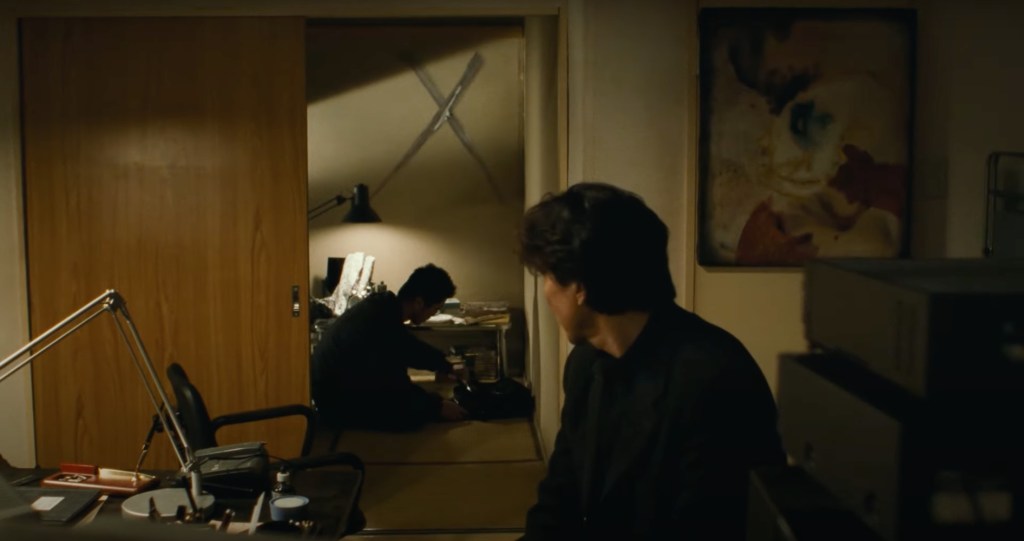
Readers of this blog may remember that I wrote about Cure in my shellshocked daze after first watching it back in September. I don’t have much to add to that capsule, but I will say that the film’s final moments have indeed been burned into my brain ever since. If I had to place it? Top 50, probably, maybe higher. A masterpiece in every sense of the word.

Personal Shopper (Olivier Assayas, 2017)

The recent reaction to Spencer has cooled this off a good amount, but I feel like there are enough people that are still doing the “Kristen Stewart is a bad actress” shtick that it merits saying: no. She is not. This film has been around for years, we should all know this by now.

Goodbye, Dragon Inn (Tsai Ming-liang, 2003)
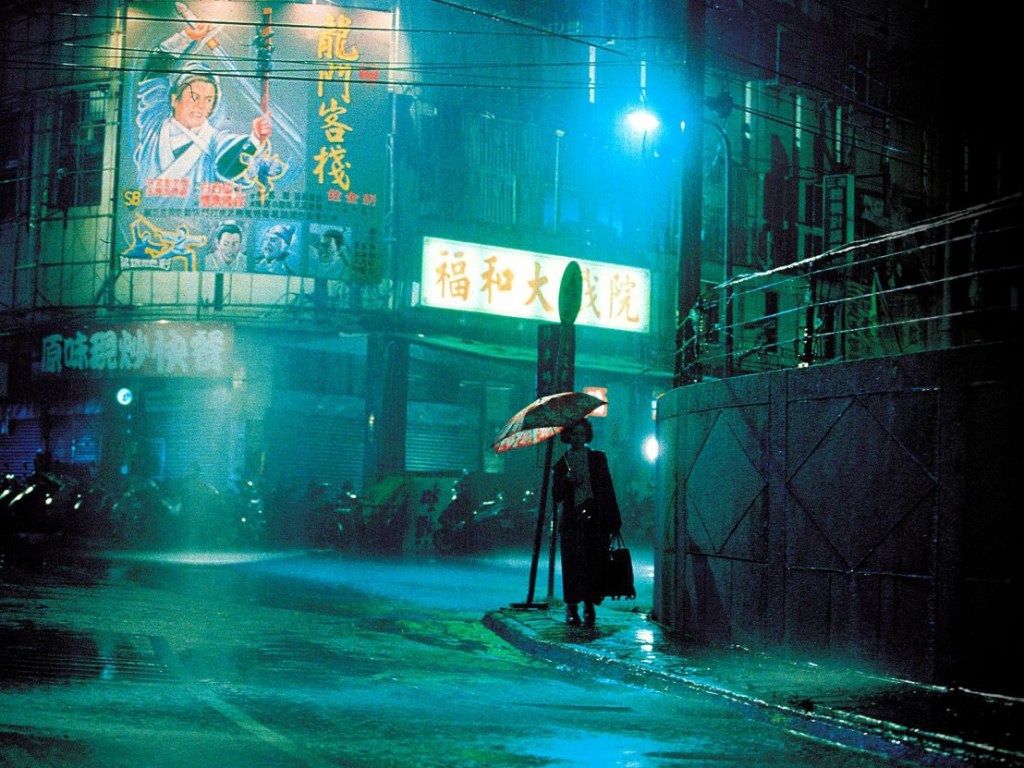
“Do you know this theater is haunted?”

That’s the first line of dialogue in Goodbye, Dragon Inn. It comes about 30-40 minutes into an ~80 minute movie. The exchange it begins will be quickly finished, and then there will not be another until the film is almost over. Tsai Ming-liang makes movies that one might be accused of faking liking to seem sophisticated, slow (sloooooow) rolling, languorous meditations that force the viewer to take complete stock of their surroundings. This one is set in a movie theater on its last night of operation, playing King Hu’s martial arts classic Dragon Inn to a pitifully small crowd. The film follows that crowd and the theater’s few employees as they watch the movie, get up and walk around, and occasionally shuffle off to the bathroom. This is all that happens. And it’s incredible. Tsai’s elegiac manner of shooting the theater and its denizens brings them to life in a way that’s at odds with his glacial veneer. It’s hypnotic and beautiful, a set of visuals that reminded me why I love movies so much and introduced me to a new way in which they could amaze.

Flowers of Shanghai (Hou Hsiao-hsien, 1998)

Flowers of Shanghai

On the previous version of the list, Hou Hsiao-hsien appears three times (How about that!), at 108 for Daughter of the Nile, 120 for A City of Sadness, and 134 for Millennium Mambo. I commented earlier that all of those now feel too low to me. Anyway, if those were to get moved up considerably, this one would land a pretty favorable spot, considering that it is his best film. It’s his most ornately designed, his most visually stunning, and one of his most emotionally resonant.

Running on Karma (Johnnie To, 2003)
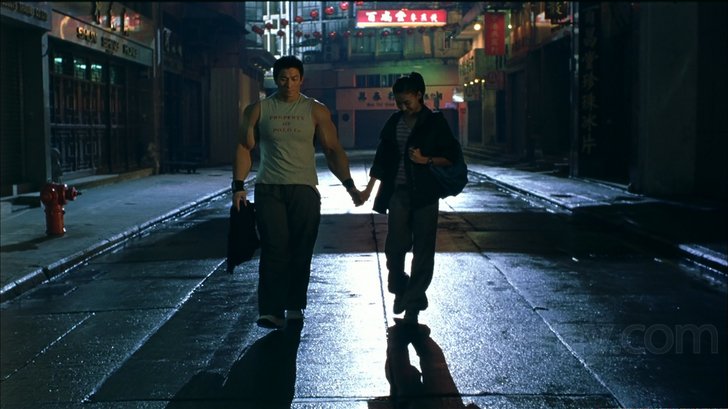
Film Review: Running on Karma (2003) by Johnnie To and Wai Ka-fai

By nature, this kind of ranking project is self-defeating. As I learned very quickly, it becomes immediately and permanently dated as you see more stuff or as taste evolves around stuff you’ve already seen. Which is a good part of why I’m trying to pivot away from the hard-and-fast rankings in this portion, and trying to focus more on the films themselves: pinning them down to a number feels reductive.

For instance, how in the hell am I supposed to know where on my all-time list to definitively rank something like Running on Karma? A film so staggeringly great and so completely singular, it compels reverence while eluding comparison, plays down the idea of defining its magnificence by the sheer nature of it. This is a film, maybe more than any other film, that exists within its own idiom, bending cinematic grammar to its own will and wringing a titanic emotional response out of images that would seem, in a vacuum, completely absurd. There are days when I would feel comfortable calling it the single greatest film I’ve ever seen. How do you assign a ranking to a spiritual experience?

Throw Down (Johnnie To, 2004)

Throw Down (2004) | The Criterion Collection

Over the summer, I watched a handful of Johnnie To movies, and by the time the Criterion Collection release of Throw Down rolled around in the fall, I had a pretty firm grasp on how the guy works. So I wasn’t even a little shocked when Throw Down blew me away with its bracing newness and vitality, because the key principle of Johnnie To’s cinema is that he is always going to find a way to do something you wouldn’t expect. He is always going to bend the laws of time and space and film to churn out miracle after miracle, expansions on his traditional ideas and styles and formulas that seem so brazen and new despite their similarities because they are brazen and new. To at his best is possibly the least lazy director of all time, constantly inventing and reinventing to perfection. He’s on his own planet in terms of style, in terms of quality, in terms of everything.

Assorted Other Films by Johnnie To

Exiled (2006) directed by Johnnie To • Reviews, film + cast • Letterboxd

Aaaaaand here he is again. These include 2006’s Exiled (pictured above), 1998’s A Hero Never Dies, and 2003’s PTU. They are all clearly among the finest films ever made, and yet none of them really warrant their own spot, because then this section would be bogged down by Johnnie To at a level that’s probably earned, in all honesty, but still doesn’t really feel fair. It’s so funny to me that Exiled doesn’t get its own section, because Exiled is probably better than at least, like, 80-90% of the stuff on the initial list. This guy’s pretty solid.

Halloween II (Rob Zombie, 2009)
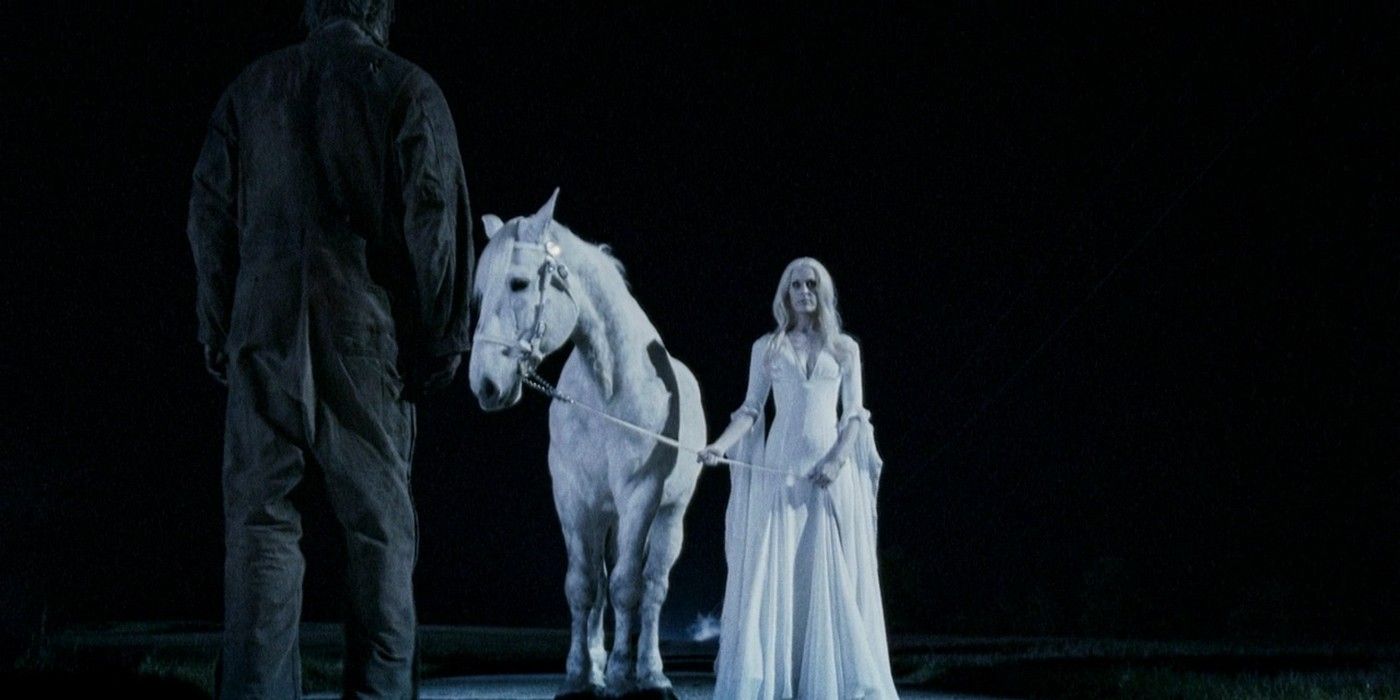
Rob Zombie Prefers His Halloween 2 Over His Halloween Remake

Look. To anyone who hasn’t seen a Rob Zombie film (and even to a lot of people who have!) I can see how citing Rob Zombie’s *sequel to his Halloween remake* as one of the greatest films ever made might seem fundamentally unserious. I assure you, I am not joking. First of all, Zombie’s cinematic style is brilliant, oppressive and visceral in a manner that makes him one of the most essential contemporary horror filmmakers. Proceeding from there, what you have to understand about Halloween II is that it is functionally the culmination of Zombie’s entire aesthetic and ethos. It’s a primal scream of a film, the most effective distillation of horror into existential chaos of the 21st century. How one can look at the sweep of Zombie’s ideas and abilities present here and dismiss him as a purveyor of shlock confounds me.

Comrades: Almost a Love Story (Peter Chan, 1996)

Running Out of Karma: Peter Chan's Comrades, Almost a Love Story – The End  of Cinema

You know what’s great about Comrades: Almost a Love Story? The subtitle. Because it’s really true. 4 years later, star Maggie Cheung would star in In the Mood For Love, which is similar in subject matter (charting a relationship that may be about to turn romantic), but derives most of its power from the growing realization that it’s been a love story the whole time, it’s the characters who won’t let it be. Comrades is less emotionally volatile, really committing to being almost a love story, but letting its central pairing feel out the world around them. It’s an amazing, underseen film, one of the bright spots of Hong Kong’s excellent 90s. Also features iconic Wong Kar-Wai cinematographer Christopher Doyle as a crotchety, mildly alcoholic English teacher!

So the last thing I wanted to do to bring this project to something of a respectable close was run through some of the most notable films on the list itself, ones I didn’t get the chance to talk about but would’ve liked to. So, here are those, starting with the champion itself:

Ran (Akira Kurosawa, 1985)

Ran (1985): “In A Mad World, Only The Mad Are Sane” – A Fistful of Film

Here’s the thing about Ran: Kurosawa did Shakespeare other times. He made Macbeth adaptation Throne of Blood in 1957, and loose Hamlet modernization The Bad Sleep Well in 1960. And he made other colossal epics in his 1980s return-to-Japan color period, specifically Kagemusha, the oft-overlooked spiritual sibling to Ran. And, as looking at the top portion of the list should make clear, he delivered other absolute, out-of-the-park all timers, arguably more than anyone else. He has four films in the top 40. He made Seven Samurai. His resume is unimpeachable. And yet Ran pretty clearly stands out to me as the best thing he ever made. The texture is so raw and angry and richly detailed, the narrative is propulsive and solemnly reflective, and at around the one-hour mark he breaks for an awe-inspiring battle scene that stands unrivaled, in my mind, as the most incredibly sequence ever put to film. Over the summer, I went to see it in a theater in New York, and had what can only be described as a religious experience. Right before it started, theater staff announced to the audience that the air conditioning was broken, and we’d have to continue sweating it out for the entirety of this nearly three-hour movie. You could sense the energy in that room, and nobody really cared. This was a group of people completely enraptured in this film’s artistry, the spectacular magnificence of what we were watching. The first time I saw it was on a computer screen, and it stood out to me as possibly the pinnacle of the art form. That second time, in a packed crowd, on a big screen? It left no doubt. A King Lear adaptation that somehow manages to start a conversation on whether or not it eclipses the source material, itself maybe Shakespeare’s finest moment. This is as good as it gets.

A Touch of Zen (King Hu, 1971)

A Touch of Zen review

A rare film that made me feel a similar way to the way I felt during my first watch of Ran. King Hu is one of these guys that seems like he had total control over every single aspect of his films and had them all working to perfection. The staging of his actors, the singular lighting, and the gorgeous sets are presences across all of his films that give off a distinct look. The musical accompaniments are fine-tuned, brilliant bits of purely instrumental audio storytelling. The way he cuts his fight scenes together, the way his plots unravel as a steady escalation through a somehow consistently compelling intensity. A Touch of Zen is the finest example of the limits of cinema as an art form, or, rather, their nonexistence.

The 36th Chamber of Shaolin (Lau Kar-leung, 1978)
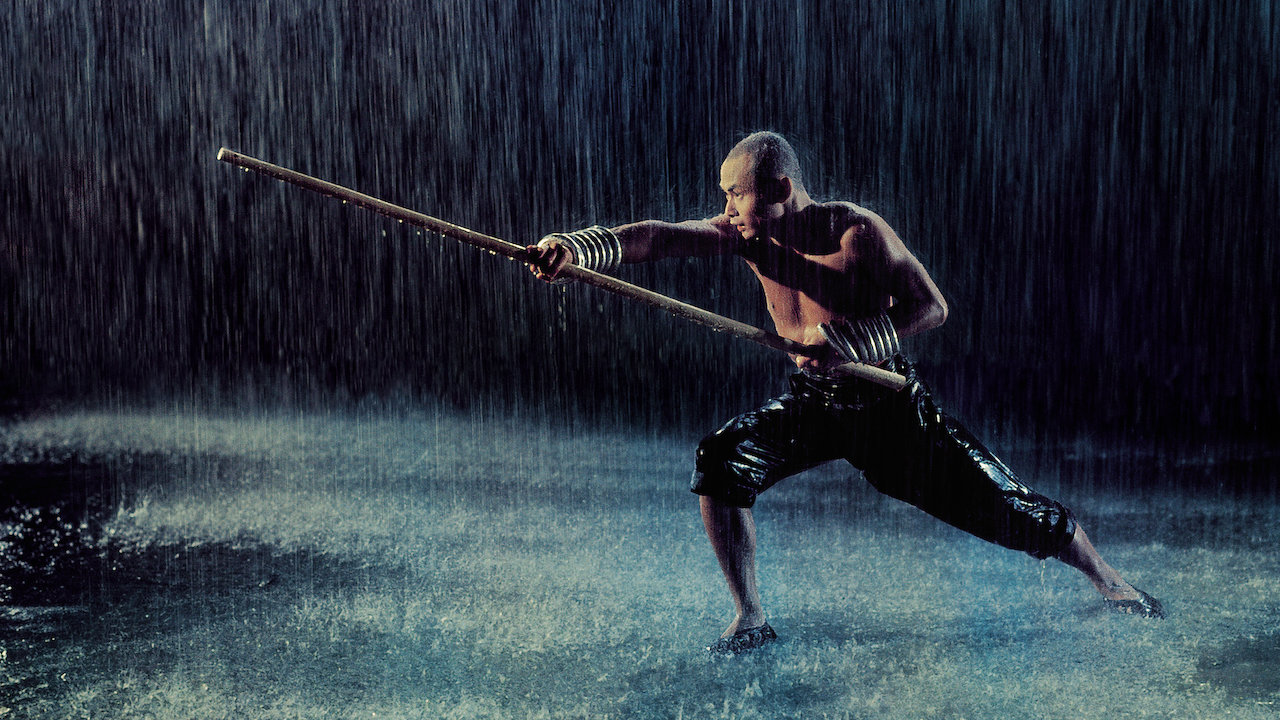
Watch The 36th Chamber of Shaolin | Netflix

This one’s ranked a bit lower than I would put it now, but I wanted to talk about it because it’s one of the films I had in mind when I decided to try writing about the whole list. The film can be described as a half-hour of escalation, an hour-long training sequence, and then the final denouement. Yet the particular genius of Lau here is that the training sequence is the point, the emotional and cinematic core of the film. The finale is almost incidental. He achieves such transcendence in the film’s middle section through an understanding of movement as a central tenet of action filmmaking: the physical command of the actors manages to draw raw passion from a simple narrative, and makes for one of the most compulsively watchable and strikingly beautiful martial arts films ever made (hell, films period).

Prince of Darkness (John Carpenter, 1987)

Prince Of Darkness / The Dissolve

Carpenter’s 80s run is as miraculous as any string of releases any director has assembled. Towards the end of the decade came maybe his best film: Prince of Darkness, an apocalyptic facemelter grounded equally in scientific and religious imagery, revolving around a giant canister of goo that may or may not be Satan. Carpenter plays it with total seriousness and complete command of the visuals, and the result is a perfect distillation of why he’s the best ever. Every time I watch this movie, it occurs to me that you probably don’t even need two hands to count all the better films in existence. And then I remember that it has like a 54 or something on rotten tomatoes and I end up angry at the world all over again.

Burning (Lee Chang-dong, 2018)

Movie Review: BURNING (2018) - Nightmarish Conjurings

The most recent film in the top 50 is Burning, which I feel deserves a shoutout, but on which I also hesitate to write anything for fear of giving away any part of such a richly constructed narrative. So I’ll just say this: do you ever start thinking about something innocuously, and then a little while later you’ve found your train of thought devolved into an existential crisis? Burning is like the feeling of trying to put that away, to convince yourself to stop thinking about something even though you know that only means you’re going to think about it more.

Chungking Express (Wong Kar-wai, 1994)
California Dreams and Expiration Dates: “Chungking Express” | by Ashley  Naftule | Medium

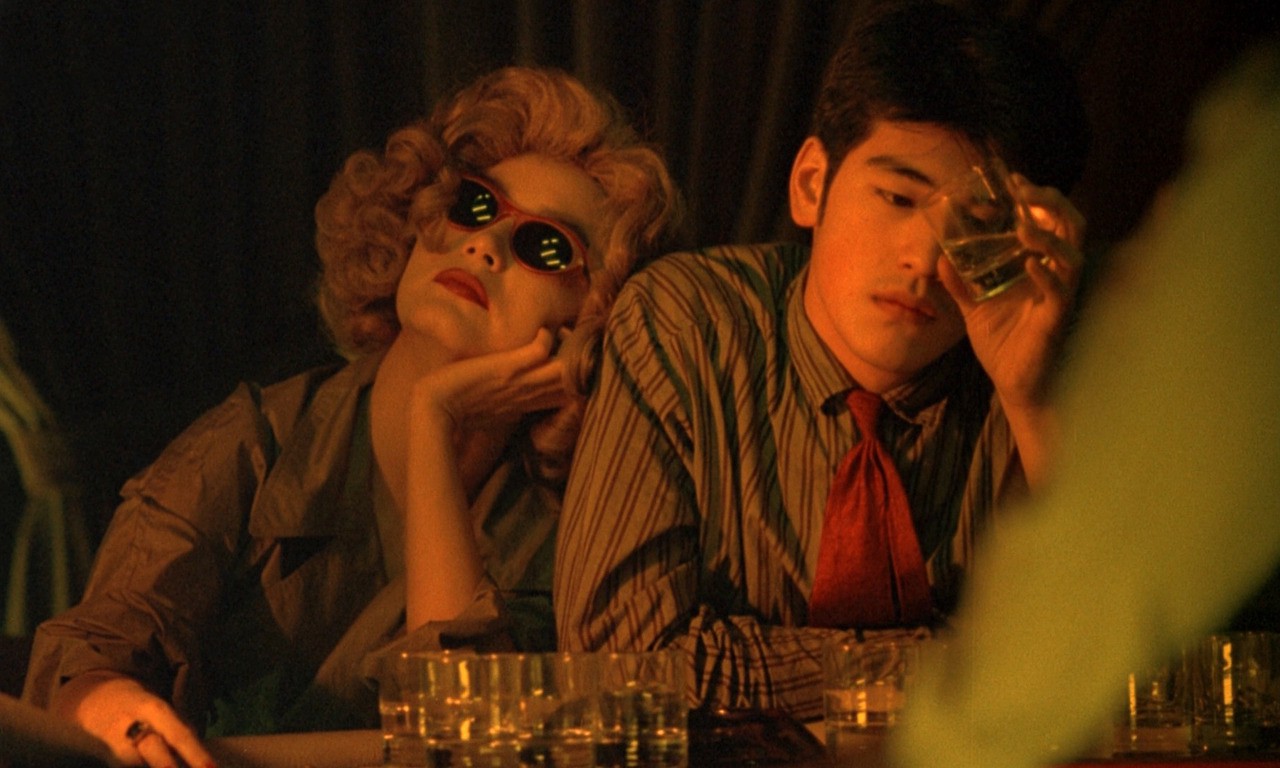
I’ll close this exercise with a word or two about my favorite movie. Sometimes I think that the act of having a “favorite movie” makes no sense, that it’s destined to change constantly, fluidly. That pinning your taste down to one thing is inherently reductive. And then I think about Chungking Express and I go “oh, no, yeah, that is definitely my favorite movie”. What Wong does here is string together a set of wildly disparate scenes and moods and characters that are all compelling to no end on their own, and unifies them into something even deeper. There are four main characters, two stories, and one film in here. There are many things the first and second stories have in common, but the only thing that really links them is their proximity, one starting as the other ends. But so much of what makes Chungking such a unique experience is the shared space between the two. As endlessly delightful as the stories themselves are, their positioning next to each other allows Wong to make grand, sweeping observations within understated gestures, parallels and connections that go from apparently meaningless to absolutely rife with emotion. It’s filled with magic tricks like that, utterly amazing turns of narrative and visual elements that seem simple but are actually monumental. A perfect example of cinema at its most life-affirming.

And this concludes the truncated top 150 films of all time project. Keep your eyes peeled for the next installment of that director rundown I’ve done a few of.
An Updated Ranking of My Personal Favorite Directors

As I write this, I am watching, for the third time, Martin Scorsese’s The Irishman. It’s one of the man’s greatest films, a gem that unifies decades of thematic fascination into a shattering repression of catharsis. The last time I made a ranking list on this subject, March 26th, Scorsese was a no-doubter for the top position. Now, eight long months later, his spot is legitimately threatened by a challenger who was among the most lauded on the initial iteration. In the time it took to reconsider the 1 spot, the rest of the list underwent dramatic changes, to the point where a rewrite was necessary. So without further ado- the bigger, better, vastly more representative Director Bonanza 2.0.

30- Krzysztof Kieslowski

Kieslowski, Krzysztof – Senses of Cinema

Last Ranking: N/A

Best Film: Three Colors: Blue

Favorite Film: Blue

Best Moment: In The Double Life of Veronique, when the two Veroniques recognize each other. The ending of Red is up there, though.

Key addition since last list: The final two Three Colors films

Why he’s here: Kieslowski’s Three Colors trilogy is one of the finest of all time, even if the middle segment, White, doesn’t live up to the high bar set by bookends Blue and Red. The Double Life of Veronique further demonstrates the stylistic and thematic brilliance of those films, combining to make a run of singular brilliance from the late master. These are films that hit a specific itch, invoke their own mood, fill a purpose that no other director’s work can.

29- Kelly Reichardt

Kelly Reichardt - IMDb

Last Ranking: N/A

Best Film: Wendy and Lucy

Favorite Film: Wendy and Lucy

Best Moment: If the ending of Wendy and Lucy doesn’t bring you to actual tears, you clearly have no soul.

Key Addition: Old Joy. Nah I’m kidding it’s Wendy and Lucy.

Why she’s here: I once said to someone that Reichardt does Bresson better than Bresson did. This definitely isn’t a one-to-one analogue: for one, Bresson’s brand of minimalism is far more urban than Reichardt’s rural transcendentalism, and you could argue that Bresson’s commitment to non-professional actors is more impressive than Reichardt’s use of, say, Michelle Williams. But while it’s not Bresson’s fault that he didn’t have access to the seemingly limitless talents of Michelle Williams, it is his fault that no performance in his work even enters the same ballpark as Williams in a Reichardt film is capable of. Reichardt sells her visions of American malaise with a naturalistic, almost hypnotic sheen, a style with no real point of comparison, even the jumping-off point I just used. The point remains that Reichardt is an all-time talent- even if what she’s doing really isn’t Bresson (it’s not), she’s operating at a higher level than even that iconic filmmaker ever was.

28- Jean Renoir

The Complete Jean Renoir: a retrospective at the Harvard Film Archive |  French Culture

Last Ranking: 22

Best Film: Grand Illusion

Favorite Film: Grand Illusion

Best Moment: Grand Illusion‘s prison break

Key Addition: None

Why he’s here: Not only was the early French master a brilliant stylist, he was one of the greatest commentators on the human condition in cinematic history. His films are incisive social statements that, after decades and decades, remain universally relevant in what they have to say about class, race, and how we treat each other in general. The broad tone of Renoir’s work is sad, but not necessarily out of depressing plot mechanics: Renoir gestures at society’s ills and says “what a waste”. It’s really something to watch.

27- Dario Argento

Dario Argento: I Suoi 3 Migliori Film - Hynerd.it

Last Ranking: N/A

Best Film: Suspiria

Favorite Film: Inferno

Best Moment: The doll attack in Deep Red

Key Addition: Suspiria

Why he’s here: Bright colors, gonzo scores, gallons of fake blood. Nobody has ever made a horror movie quite like Dario Argento, the king of the Italian Giallo subgenre. The excess and gleeful insanity of an Argento film are distinctly their own thing, a wonderful combination of elements that collide to create lightning-in-a-bottle phantasmagorias. There’s no way to describe in words the sensory overload of a Goblin score, or the sensation of your eyes under assault by impossibly vivid reds and greens. When this guy was at his peak, his way of doing things was straight-up untouchable.

26- Nicholas Ray

The Essentials: 5 Great Films By Nicholas Ray | IndieWire

Last Ranking: N/A

Best Film: In A Lonely Place

Favorite Film: It’s Lonely Place, but for the sake of avoiding monotony let’s say They Live By Night

Best Moment: Bogart’s “I was born when she kissed me. I died when she left me. I lived a few weeks while she loved me” from In A Lonely Place. Alternatively, any rodeo scene from The Lusty Men

Key Addition: In A Lonely Place

Why he’s here: Ray’s blend of poison-tongued cynicism and aching romanticism stands alone, in large part due to the fact that nobody from Ray’s era was at his level of pessimism. These are films that really sting, treatises on human despair and why it is that people can never seem to escape it. He was also just a ridiculous stylist, possessing a supernatural gift with both his camera and his actors. In A Lonely Place might be Bogart’s best work, and They Live By Night extracts a haunting performance from the otherwise-shaky Farley Granger. This seems like a common theme so far, but no one has ever made movies like this.

25- David Fincher

David Fincher Announces First New Movie in Five Years | Consequence of Sound

Last Ranking: N/A

Best Film: Zodiac

Favorite Film: Gone Girl

Best Moment: Brutal choice, but I think it’s Andrew Garfield’s climactic meltdown in The Social Network

Key Addition: Gone Girl

Why he’s here: A combination of familiarity (a stunning number of my favorite films of recent years) and genuine mastery of the form. Fincher has proven time and time again to be the king of the modern thriller movie- from Seven to Gone Girl, his distinctive style and directorial sensibilities lend themselves perfectly to sheer suspense. The substance of his work is debatable, but the fact that he’s among the best working pure technicians is not. Plus, what other kind of formalist can extract a performance from Ben Affleck as great as what he does in Gone Girl? Points deducted for inane and untrue recent comments on Orson Welles, however.

24- Sam Raimi

Sam Raimi In Talks To Direct Doctor Strange In The Multiverse Of Madness |  Movies | Empire

Last Ranking: N/A

Best Film: Evil Dead II

Favorite Film: Army of Darkness

Best Moment: “Groovy.”

Key Addition: Army of Darkness

Why he’s here: I think Raimi’s specific brand of genius is best encapsulated by Evil Dead II. No other film is as completely, off-the-walls insane as that one is, for my money. It’s a perfect blend of gleeful gore and pitch-black humor, carried off with the most insane confidence in itself I’ve ever seen committed to film. Raimi’s direction of it can best be described as “swaggering”, the work of someone endlessly happy to be doing what he’s doing and making the exact film he’s making. These are movies that never feel like they’re trying to please anyone besides their creator, and that “who cares” attitude towards anything resembling coherence or subtlety is endearing.

23- Robert Altman

Robert Altman's Top 15 Films | IndieWire

Last Ranking: N/A

Best Film: McCabe and Mrs Miller

Favorite Film: Brewster McCloud

Best Moment: The ending of The Player

Key Addition: All of the above, but especially Brewster McCloud

Why he’s here: Altman is American cinema’s greatest outcast, a startlingly prolific filmmaker who never seemed to land within the mainstream. At his best (see: The Player), Altman’s work was actively malicious towards Hollywood, taking aim at the plastic nature of show business and the despicable self-righteousness of the people who perpetuate it. His work includes anti-westerns (McCabe and Mrs Miller), anti-war-movies (M*A*S*H), and anti-detective noirs (The Long Goodbye). Not only was he doing his own thing, he was aggressively doing his own thing, and he did it well.

22- Stanley Kubrick

What Can We Learn About Filmmaking from Stanley Kubrick's Philosophy on  Life?

Last Ranking: 10

Best Film: The Shining

Favorite Film: The Shining or Eyes Wide Shut

Best Moment: The opening of A Clockwork Orange

Key Addition: The Killing

Why he’s here: You know why. It’s Stanley Kubrick. Inarguably one of the best to ever do it, some would have you believe he’s the best. The work speaks for itself: Dr Strangelove, 2001, Barry Lyndon, Full Metal Jacket, Paths of Glory. Those in addition to the ones I’ve already named. He churned out masterpieces with an absurd success rate, delivered many of the most iconic films and moments of all time. Plus, Eyes Wide Shut is the greatest Christmas movie ever made.

21- Hayao Miyazaki

Ep. 1 Ponyo is Here - 10 Years with Hayao Miyazaki | NHK WORLD-JAPAN On  Demand

Last Ranking: 19

Best Film: Spirited Away

Favorite Film: Kiki’s Delivery Service

Best Moment: The climactic battle in Princess Mononoke

Key Addition: Porco Rosso

Why he’s here: Possibly the only person to fully understand the true boundaries (or lack thereof) of the medium of animation. Combine his wondrous visual style with his unique and heartwarming humanism, and you have a set of films that stands as nothing less than an example of the good in the word. This is the mind that created a dazzling army of magical creatures that he routinely uses as window dressing for larger work– it’s unnecessary stuff, but it’s there nonetheless. Miyazaki’s films are his attempts at improving the world through art, and he more or less succeeds.

20- Jean-Luc Godard

Jean-Luc Godard — Art of the Title

Last Ranking: 12

Best Film: Pierrot Le Fou

Favorite Film: Pierrot Le Fou

Best Moment: Vivre Sa Vie, pool hall

Key Addition: Une Femme est Une Femme

Why he’s here: The best of all the French New Wave filmmakers, Godard has been described as an iconoclast so many times that it’s formed the basis of his iconic status. His work has a disorienting yet breezy style, almost nihilistic yet simultaneously drunk on life. He sought to elevate B-Movie sleaze into legitimate art and pulled it off, inspiring a generation of other filmmakers in the process (you may have heard of Quentin Tarantino).

19- David Cronenberg

Q&A: David Cronenberg returns to L.A. for Beyond Fest tribute - Los Angeles  Times

Last Ranking: 17

Best Film: The Fly

Favorite Film: Eastern Promises

Best Moment: William Hurt, A History of Violence: “HOW DO YOU FUCK THAT UP?”

Key Addition: Dead Ringers

Why he’s here: Cronenberg’s fascinations with evil, with humanity, and with how those two things complement each other fascinates me. The way he explores these fascinations, through a ridiculously bloody brand of body horror, has made him infamous. Not only does Cronenberg pile on the gore, he does so in a way designed to upset the viewer at a gut level and to make them think about what they’re seeing in the same place. The truths of interior human evil, revealed. With exploding heads!

18- Claire Denis

Claire Denis – Movies, Bio and Lists on MUBI

Last Ranking: 15

Best Film: Beau Travail

Favorite Film: US Go Home

Best Moment: Beau Travail, “Rhythm of the Night”

Key Addition: None

Why she’s here: Denis creates films that slow to a stop, forcing you to contemplate what’s in front of your eyes. Fortunately, what that is is beautifulBeau Travail in particular has some of the most mesmerizing cinematography I’ve ever seen. Unfortunately, it can also get real hard to watch (see: all of High Life). Regardless, Denis makes films that are guaranteed to stick with you, portraits of cosmic loneliness in which movement and lack thereof are the most important things. This is visual and aural hypnosis, a perfect use of everything the medium is capable of.

17- Joel and Ethan Coen

From The Coen Brothers, A Lesson For The Times: Don't Get Rattled – Deadline

Last Ranking: 11

Best Film: No Country For Old Men

Favorite Film: The Big Lebowski

Best Moment: Ben Gazzara as Jackie Treehorn

Key addition: My most recent rewatch of No Country

Why they’re here: The batting average. Ignoring, for a minute, the level of quality of their top tier of films, it’s so rare to find anybody this prolific with this few misses. That’s especially impressive considering the uniform nature that should envelop their work, which is instead shockingly eclectic. They use the same actors, same technical contributors, write the same way, explore the same ground, over and over again. Yet the gulf between the desolate deathdream of No Country for Old Men and the spirited frenzy of Raising Arizona is massive. Look at two of their stories of tortured, hopelessly constricted, neurotic individuals: A Serious Man is an absurdist comedy while Barton Fink is a post-gothic thriller. And, most importantly, it’s all good as hell.

16- Ingmar Bergman

Ingmar Bergman: The messy life of a magic filmmaker | The Independent | The  Independent

Last Ranking: 13

Best Film: Persona

Favorite Film: Wild Strawberries

Best Moment: Chess with death! Gotta be chess with death

Key Addition: Hour of the Wolf

Why he’s here: Patron saint of art films, cinematic austerity, and everyone who has ever refused to watch a foreign movie out of preconceived notions of guys dressed as death talking about God. It’s a justified reputation to some extent, but where Bergman soars is in the violations of this. The Seventh Seal, as many have pointed out, has fart jokes in it. Some of the stuff in Hour of the Wolf will give you nightmares. The Magician gets weird, man. But he’s also masterful in the stereotyped ways, and there’s nothing wrong with that– sometimes pitch-perfect arthouse stuff just hits the spot.

15- Michael Powell and Emeric Pressburger

Powell, Michael & Pressburger, Emeric – Senses of Cinema

Last Ranking: 24

Best Film: The Red Shoes

Favorite Film: The Red Shoes

Best Moment: Marius Goring complimenting the technicolor in A Matter of Life and Death

Key Addition: A Matter of Life and Death

Why they’re here: Because of cinematographer Jack Cardiff, actually. Well, maybe not actually. But he played a big role. The key element of an Archers film is the look, the picturesque fairytale technicolor that serves as the backdrop for whatever rapturously told story they’ve zeroed in on. From here, they routinely go on to spin magic, creating some of the most indelible moments in cinematic history. Also, The Red Shoes is just the best movie there is.

14- Brian De Palma

Alfred Hitchcock′s greatest fan: Brian de Palma turns 80 | Film | DW |  11.09.2020

Last Ranking: 23

Best Film: Blow Out

Favorite Film: Phantom of the Paradise

Best Moment: “Now that’s a scream.”

Key Addition: Phantom of the Paradise

Why he’s here: His at-large career of lurid trashterpieces is enough to merit inclusion: Scarface, Blow Out, The Untouchables, even, all brilliant thrillers and crime films from the master of the post-Hitchcock thriller (emphasis on “Hitchcock”). But De Palma’s greatest asset in my mind is the cult classic 1974 musical Phantom of the Paradise. Upstaged a year later by another rock-and-roll fantasy horror cult musical freakout by the name of The Rocky Horror Picture Show, a film it is better than, Phantom instantly joined the annals of my absolute favorite films upon my first viewing. That film might have the biggest single impact of anything on this list, skyrocketing De Palma from the 20s to the lower teens.

13- Pedro Almodovar

Pedro Almodóvar's 'Pain and Glory' is not strictly his story - Los Angeles  Times

Last Ranking: 5

Best Film: Talk To Her

Favorite Film: Pain and Glory

Best Moment: Last time I said the mirrored beginning and ending of Talk To Her, which is a strong call, but I think I’m leaning more towards the drugged-out post-screening Q&A in Pain and Glory

Key Addition: None

Why he’s here: “Melodrama” is a word that’s often (accurately) applied to the work of Pedro Almodovar, but I don’t think I find that quite fitting. The exteriors of his films are often showy, playing into the conventions of the term, but he also imbues them with an uncharacteristic tinge of sadness. What separates Almodovar from, say, Douglas Sirk (possibly the last name cut from this list, by the way) is the way he contrasts his searing insights with grinning exuberance. Never has sadness been as life-affirming as it is in these films.

12- Yasujiro Ozu

Painting the Same Rose: An Exploration into the Cinematic Style of Yasujiro  Ozu

Last Ranking; N/A

Best Film: Tokyo Story

Favorite Film: Tokyo Story

Best Moment: Ending of Late Spring

Key Addition: Tokyo Story

Why he’s here: It’s kind of hard to describe, actually– what Ozu does with his films is so simple that it feels odd to label him a visionary, yet so idiosyncratic that some of those unfamiliar and familiar with his work alike question its efficacy. This could be the part where I go over the Patented Ozu Aesthetic, with its static cameras, facing-the-viewer dialogue, and establishing “pillow shots”, but as people smarter than myself have pointed out, overly scrutinizing these tics is to miss the point. What Ozu builds with his formally dressed narratives is nothing short of full-on emotional oblivion. This is evocative work– whether it’s driving at sadness, empathy, or introspection, an Ozu film can elicit this from its viewer. He manages to build to final acts of stunning focus and intensity, rendering his films completely indelible. And he does it in style: just because the item at the forefront of discussion of Ozu shouldn’t be his mechanics doesn’t mean I don’t want to take a second to absolutely fawn over him as a technician. I feel like I’ve said this a hundred times so far, and it remains hard to fully communicate the sentiment without just showing one of the films I’m talking about, but genuinely nobody has ever made movies like this, and I am obsessed with it. He was totally singular in his construction, and his astounding humanist storytelling is all the more alluring because of it.

11- John Cassavetes

John Cassavetes: Godfather of Indie Cinema - Legacy.com

Last Ranking: N/A

Best Film: Husbands

Favorite Film: The Killing of a Chinese Bookie

Best Moment: The scene with the parents in Minnie and Moskowitz

Key Addition: Husbands

Why he’s here: For oddly similar reasons to Ozu, actually– the simultaneous devastation and humanism of Cassavetes’s work is incredible to watch in much the same way. Now, this comparison makes it sound like I’ve never seen anything from either filmmaker; the two couldn’t really be more stylistically different, with Cassavetes opting for brutal, unflinching realism opposite Ozu’s stylized elegies. Cassavetes allowed himself to get much more raw than other filmmakers, a quality that resulted in some of the most deeply penetrating work of his era. His films can get hard to watch, in a way that makes them hard to take in in quick succession. But they’re incredible: searing, haunting stuff, at times feeling like he’s probing the adequacy of humans as a species. But it’s the optimism of his work that really gets me. Sure, these are bleak, depressing films, but there’s always a hard-to-pin-down undercurrent of genuine hope for and faith in human beings.

10- Bong Joon-Ho

Fish monsters, barking dogs, and roach patties: The films of Bong Joon-ho |  Ars Technica

Last Ranking: 21

Best Film: Parasite

Favorite Film: Parasite

Best Moment: Parasite‘s multitude of gargantuan setpieces have been repeatedly spoken for on this blog, so I’m gonna give a shoutout to the first monster attack scene in The Host, a scene so surreal yet poignant that it achieved the rare accomplishment of actually making me put myself in a horror scene: it feels like it’s absolutely something that could happen to you, and that’s uniquely terrifying.

Key Addition: Memories of Murder

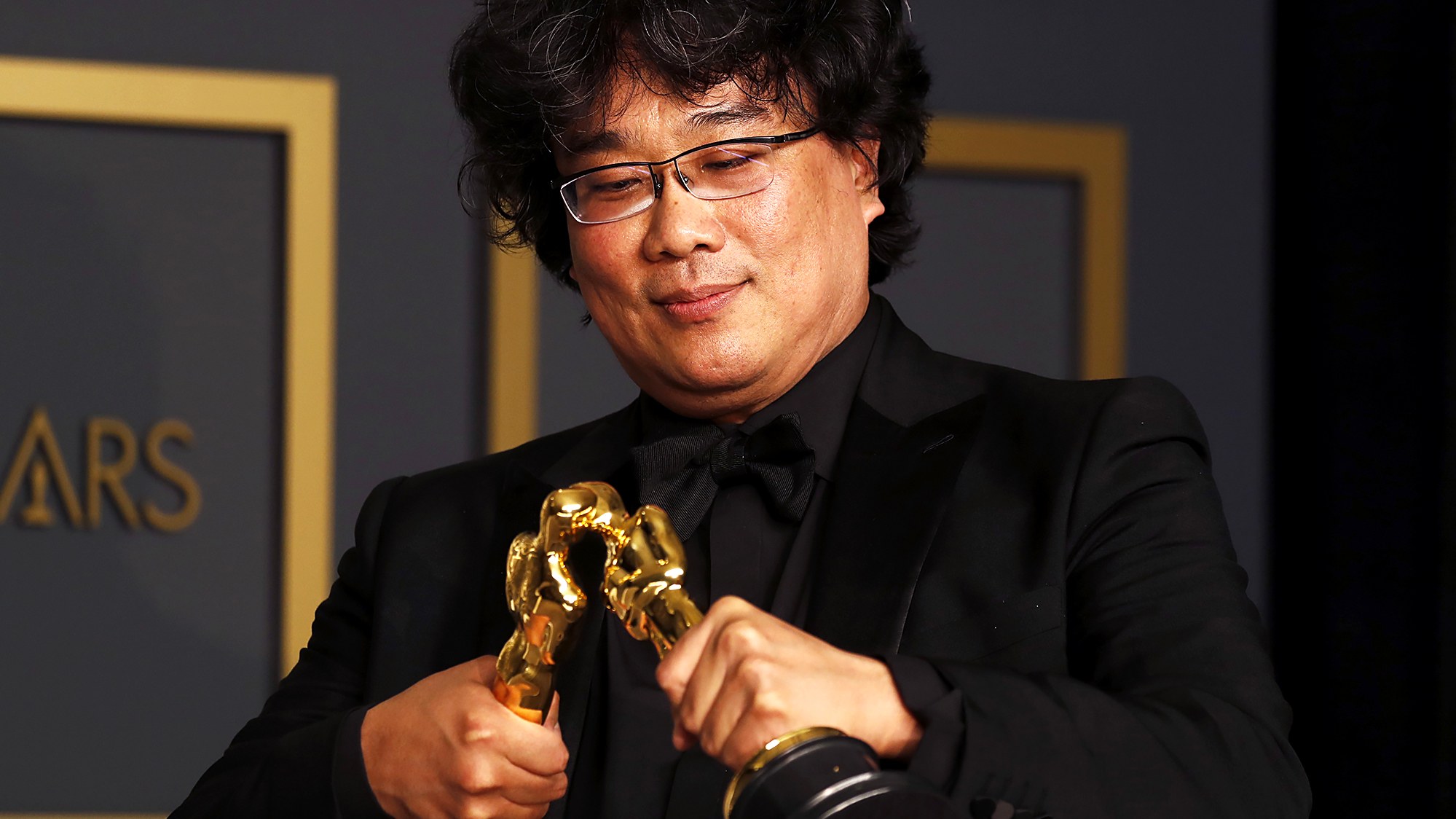
Why he’s here: Surely the Cinderella Oscar darling and subsequent international sensation that is Bong Joon-Ho doesn’t need much of an introduction here, right? The proper content in this space is an affirmation that he really is deserving of all that, and uniformly so: Parasite may be his finest moment, but the likes of Memories of Murder, The Host, hell, even Okja are all masterpieces. The man routinely hits this blend of pure entertainment and dramatic resonance that’s totally unparalleled. It makes sense that Bong was really the biggest modern international filmmaker to break out in America. Who else makes movies that are this self-evidently great in this number of ways?

9- Orson Welles

F For Fake': Confessions Of A Self-Described Charlatan | Berlin Film Journal

Last Ranking: N/A

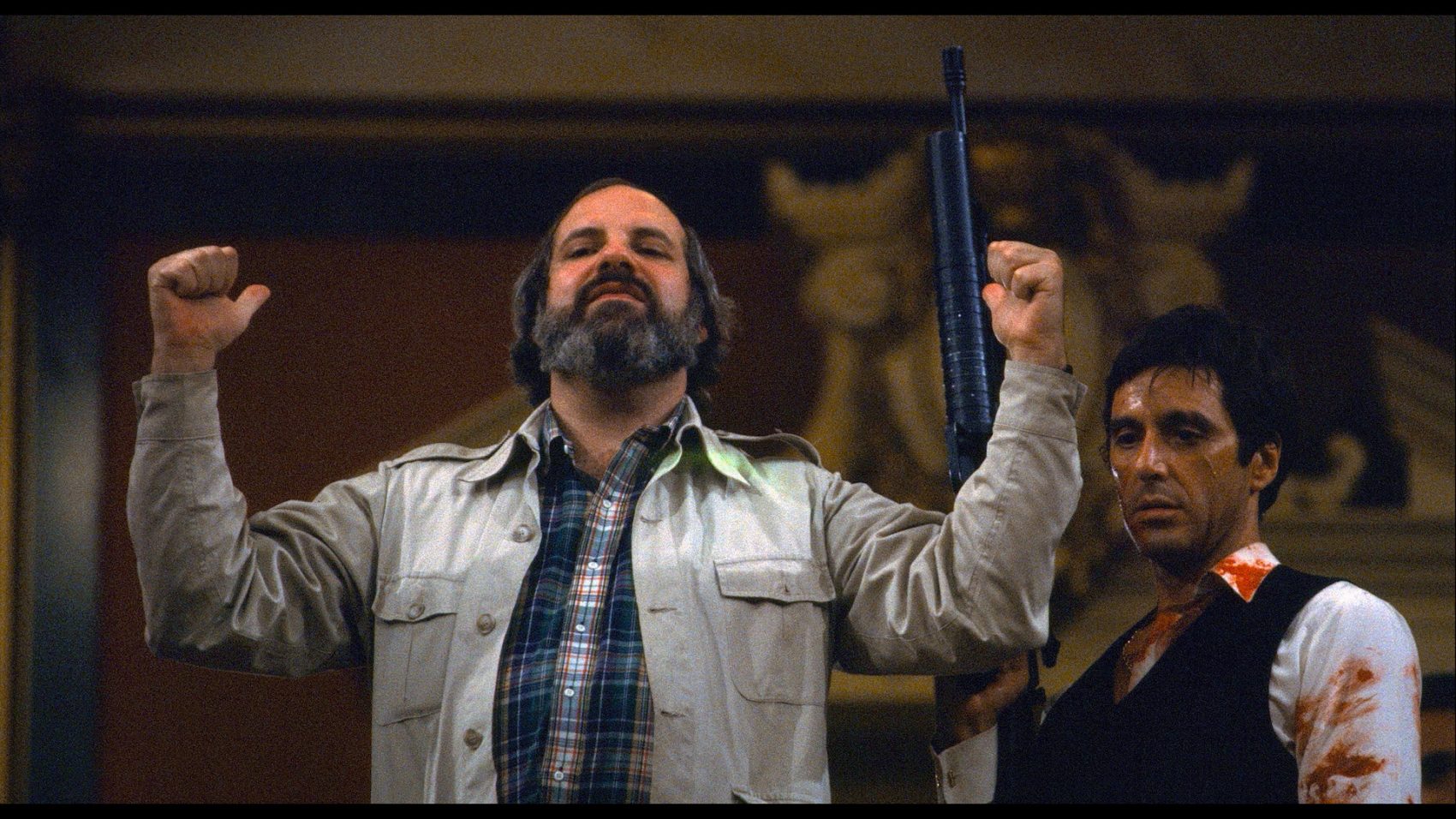
Best Film: Screw it. It’s The Lady From Shanghai

Favorite Film: Lady From Shanghai. Sometimes I wonder about the extent to which this category is worth keeping.

Best Moment: How about the opening tracking shot in Touch of Evil? Also a big fan of his concluding revelation of his true nature in F For Fake. Obligatory Kane mention for the scene where he finishes a negative review of his wife’s opera performance. Too much great stuff.
Key Addition: Lady From Shanghai

Why he’s here: If you subscribe to the conventional narrative, brought back into the spotlight by David Fincher’s latest effort, that Welles was a one-hit wonder who fell off after his momentous debut, then it’s my great pleasure to inform you that you’ve been fed a horrendous lie. Welles’ post-Citizen Kane career was fraught with studio interference and a lack of commercial success, sure, but what never dropped off was the absurdly high quality of his work. This was a man gifted with absolutely astonishing talent both in front of and behind the camera, who was somehow successfully painted by Hollywood as an obnoxious prodigy who flew too close to the sun. The work, however, speaks for itself, and it’s hard to argue with.

8- Alfred Hitchcock

Make The Audience Suffer | Alfred Hitchcock's 5 Best Movies - HeadStuff

Last Ranking: 4

Best Film: Vertigo

Favorite Film: Psycho

Best Moment: Too many iconic ones to not go with something completely random. How about, like, the scene in I Confess where they’re chasing a murder suspect and need a confirmation or denial from Montgomery Clift, who has to remain silent? That’s the stuff.

Key Addition: Rebecca

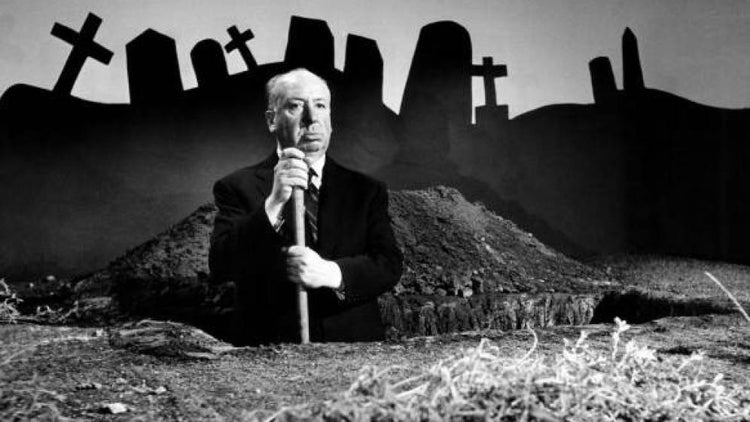
Why he’s here: Because of the consistency with which his movies are fun. Lesser or unknown Hitchcock can compel reverence and titillation in the face of any amount of fatigue, ubiquity, or oversaturation. It feels like a cop-out to say something along the lines of “it’s Alfred Hitchcock”, but come on. It’s Alfred Hitchcock. Not overrated, not remotely mundane. Just too good.

Bonus, unranked- Stan Brakhage

Dialogues & Film Retrospectives: Stan Brakhage

Why he’s here: This has to be both an explanation of why he’s here, as in on the list, and why he’s here, as in sandwiched unceremoniously as an honorable mention between the numbers eight and seven. The answer to the latter is simply that this is where it hit me that I should include him, and for the sake of cohesiveness I decided to just put him in chronologically. Brakhage demanded inclusion because he is, undeniably, one of my favorite filmmakers, but it’s also pretty much impossible to rank him among narrative filmmakers. It’s not exactly apples to oranges so much as it’s apples to moons of Jupiter. The typical superlatives have been eschewed because, uhh… well if you know, you know. It’s hard to describe Brakhage’s work, and it’s impossible to describe why I find it to be so good without sounding like a complete lunatic. Basically, for those uninitiated, Brakhage was an experimental filmmaker who specialized in what I have routinely referred to as nonsense color blobs. That is, I’m sure you will agree, an apt description–


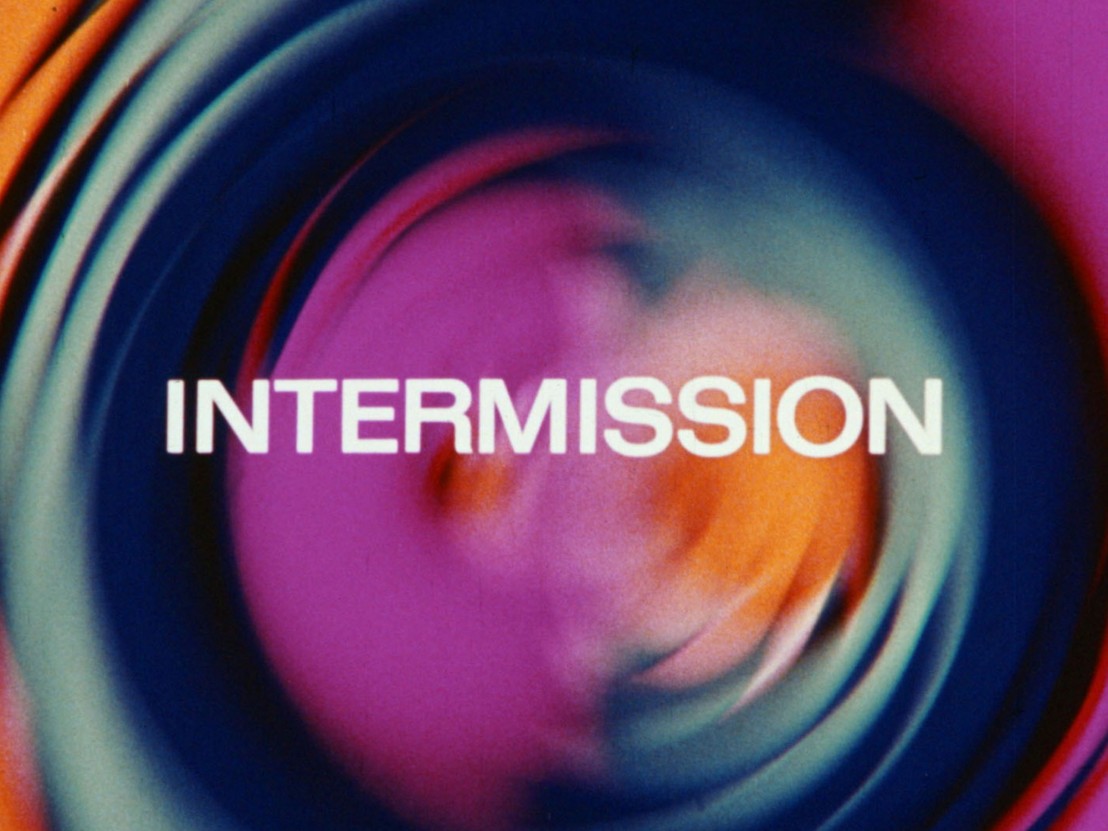
Not all of them are quite as short as Eye Myth here, but that’s the general gist. Yet there’s something about these films that are so hypnotic, so compelling. Maybe it’s the illusion of movement you get in different places, maybe it’s the assortment of the colors. I don’t know why it is that some of his work stands out from the rest, or how much sense it makes to differentiate between them. But I do know that, for whatever reason, this stuff can be really, really good.

Can intermissions ever positively impact the cinema going experience? -  Little White Lies

As I write this, my viewing of The Irishman that kicked off this post has been over for a month. I’ve revisited this from time to time to chip away at the writeups, getting up to this point, but I’m confronted by challenges. I’m miles from any sort of momentum or tone I was trying to build with the prior writing. I’m freaking out because I think I need to find a place for Michael Mann following viewings of Thief and Manhunter (this cursory reference will do, I guess). Inertia? Burnout? Yeah, all that– at some point it gets to a place where I’m writing different forms of the same auteurist set of ideas and praises.

So, to break up that monotony and to slide back into this post, I’m going to do something completely different: I’m going to take a minute to talk to you about The Texas Chainsaw Massacre Part 2.

It is rare, in the wide, godforsaken world of horror sequels, to run across a beast in a similar vein as Texas Chainsaw 2. The lunatic depravity of the first film is spun here into pitch-black humor and nightmares as bizarrely outlandish as the reality of those in the original. Instead of chilling, cheap realism, we’re treated to a chainsaw-wielding Dennis Hopper losing his mind. The first film’s Leatherface, a mindless, thoughtless creature of pure murderous intent, is transformed into something almost akin to a child– bloodthirsty, yes, sadistic, still, but imbued with almost… innocence? A sense of curiosity that maybe his life of cannibalism isn’t all there is. The film’s greatest trick is burying a tragic humanity within its gonzo carnival exterior. The choice poised by the Sawyer patriarch to a simpering leatherface, “sex or the saw”, is, of course, absolutely hilarious. But digging into it, it’s also heartbreaking: this is a person forced into a life of torture and murder and horror beyond comprehension as if it was just another family business. Any real life, real human emotion or experience, that could have possibly awaited him was instead demonized and presented as something foreign and terrifying. Texas Chainsaw 2 gets into what it really means to live by the saw, something far more impressive than you’d expect from a tossed-off sequel to an incomparable classic.

Why does this matter? To the theme of this post, to anything, really? It doesn’t. Anyway, on with the show.


7- Quentin Tarantino

Quentin Tarantino Teases Long Delay Between Hollywood and Final Movie |  IndieWire

Last Ranking: 3

Best Film: Pulp Fiction

Favorite Film: Once Upon a Time in Hollywood

Best Moment: Zero options that aren’t the climactic theater burning in Inglourious Basterds, perhaps the greatest single scene in the past two decades of American film

Key Addition: N/A

Why he’s here: The one-two punch of brilliant dialogue (not diminished by countless inferior imitators) and brilliant building of tension is unmatched by any other mainstream filmmaker of the modern era. Anyone with the industry cache to make a hangout movie at the scale of Once Upon a Time in Hollywood is a force for good, even if his unleashing of Robert Rodriguez onto the world is a negative.

6- David Lynch

Twin Peaks: the apex of TV as art, and the only show that chimes with our  times | Twin Peaks | The Guardian

Last Ranking: 8

Best Film: Mulholland Drive

Favorite Film: Eraserhead

Best Moment: In a filmography packed with indelible moments, it’s hard to pick one, but I’ll give a shoutout to the one that’s been bouncing around my head the most recently, which is Dean Stockwell’s Roy Orbison lipsyncing in Blue Velvet.

Key Addition: The entire Twin Peaks universe: the original run of the show, the unfairly maligned Fire Walk With Me, and the stunning The Return (I choose not to comment as to whether this is a movie or TV)

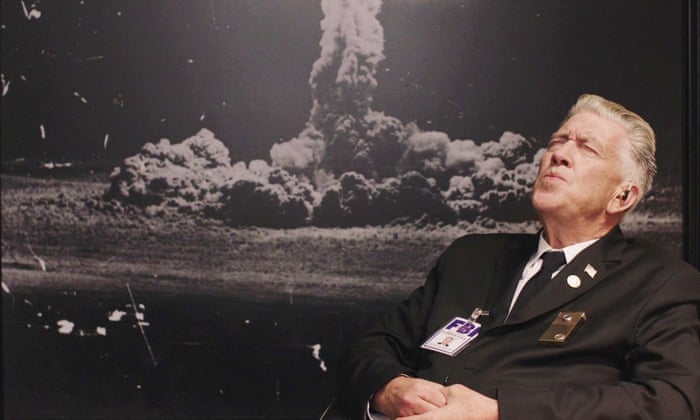
Why he’s here: the glorious weirdness coursing through Lynch’s work has long been tagged “Lynchian” and gleefully, erroneously identified as anything in film that borders on the supernatural, but there’s a very specific set of themes, motifs, and out-of-this-world ideas that populate the man’s oeuvre. The style makes for fantastic viewing experiences: I’ve seen Eraserhead four times now, a feat of blatant masochism made compelling only because of how much of a perverse joy the film is. But the key to Lynch, the piece of the puzzle that the endless pretenders to his gnarled throne can never find, is the way his films sink into the mind of the viewer and settle there for a long time. Sure, the ending of Twin Peaks: The Return is nonsense, but it’s nonsense that will be with me for the rest of my life.

5- Paul Thomas Anderson

Paul Thomas Anderson's 2020 Return, Going Back to Boogie Nights Roots |  IndieWire

Last Ranking: 7

Best Film: There Will Be Blood

Favorite Film: Boogie Nights

Best Moment: The New Year’s’ Eve scene in Boogie Nights

Key Addition: Magnolia

Why he’s here: 25 years, 8 films, 0 misses. Each PTA film is uniquely stunning, forming a progression of ideas and techniques that indicates the work of a remarkable natural talent the likes of which we haven’t seen in Hollywood since Welles. The balance of singular cinematic prowess and raw emotionality present in everything he’s made since Boogie Nights makes him one of our most incredible working filmmakers, someone whose work lends itself to endless rewatches and whose next step is eagerly awaited.

4- Akira Kurosawa

Ran' is by all standards one of master Kurosawa's best films in his resume  • Cinephilia & Beyond

Last Ranking: 9

Best film, favorite film, key addition, greatest movie ever made: Ran

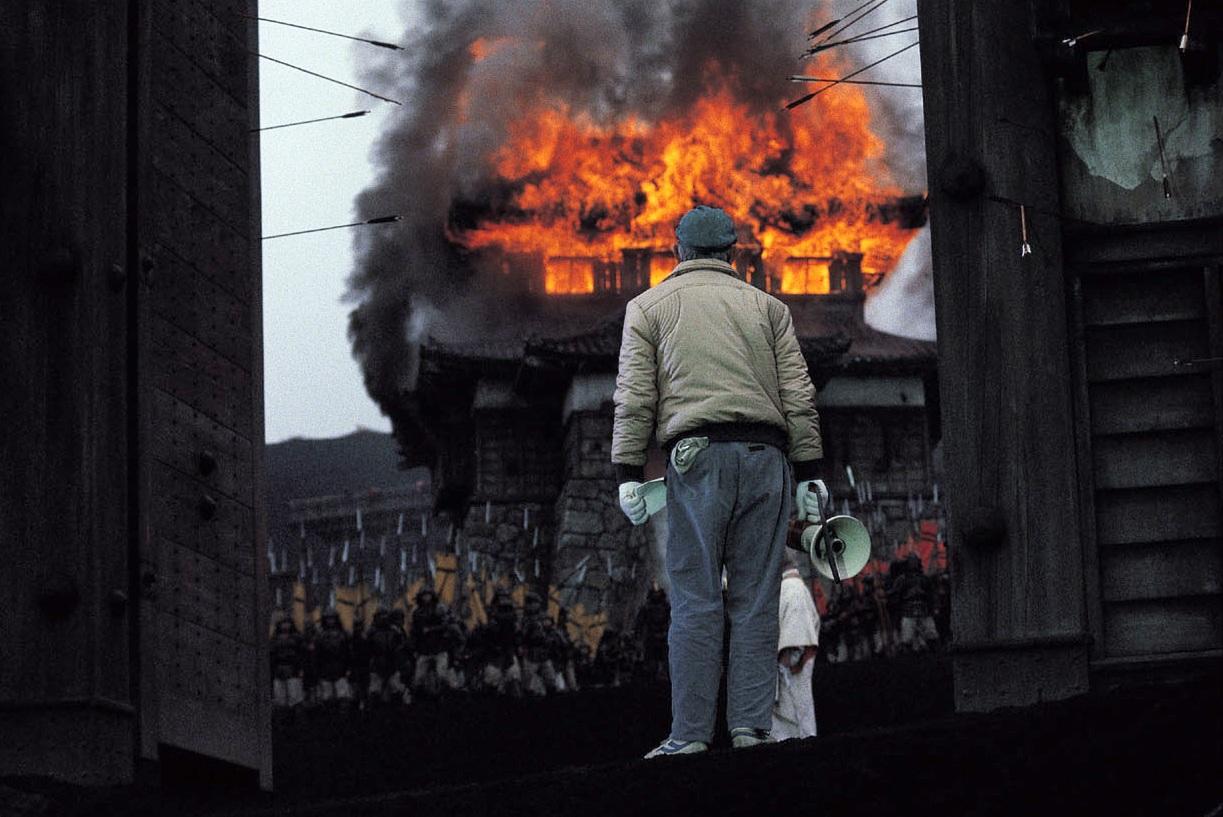
Best Moment: The castle battle sequence (behind the scenes of which shown above) in Ran

Why he’s here: Every time I find myself mulling over the question of who the greatest filmmaker of all time is, I tend to land on Kurosawa. Sometimes I’ll falter, and entertain the idea of an Ozu or a Hitchcock or a Scorsese taking the spot. And then whenever the next time I watch a Kurosawa film is, I get my mind back on the right track and recognize the folly of my fleeting opinion. The man was simply the best there ever was: so energetic in his storytelling, so vivid in his imagery, so human in his characterizations. Whether it’s the adrenaline of samurai-action fare such as Seven Samurai, the heartbreaking sincerity of Ikiru, the epic grandeur of Ran, or the electric crime thriller elements of something like High and Low, there’s always something to marvel at in his films. Take High and Low, a taut crime procedural propelled by a life-and-death storyline. When I say that every single shot in the film is composed with an immaculate sense of positioning, I mean all of them. Every time someone moves or a group of people congregate, they’re arranged in a visually striking way that compels awed reverence that almost distracts from the story at hand. Or Ran, Kurosawa’s take on Shakespeare’s King Lear, a film I believe with full conviction to be the greatest ever made. Not only does this trim a lot of the Edgar/Edmund fat that populates the play, it manages to translate the visceral pain and sorrow of the source material that makes it one of the greatest works of literature ever produced. Not only does the beating heart of the play remain stunningly intact in a way seen in no other Shakespeare adaptation, the visuals of the film are simply breathtaking, managing to elevate it into something wholly its own. I could go film-by-film and break down everything that makes Kurosawa’s work so varied and special, but it would take far too long. So suffice it to say that this is a body of work that represents a complete cinema. Everything in film that makes the medium so dynamic and wonderful can be found in these movies.

3- Wong Kar-Wai

Masters: Wong Kar-Wai — Calgary Cinematheque

Last Ranking: 6

Best Film: In the Mood for Love

Favorite Film: Chungking Express

Best Moment: The ending of Fallen Angels: the motorcycle shot, the voiceover, all beautiful, and then the pan up to natural sunlight, punctuating a film bathed in artifice and neon? Gets me every time.

Key Addition: 2046

Why he’s here: Nobody’s individual style is better than Wong’s. All the hallmarks of his work– the slo-mo, the alluringly unnatural lighting, the voiceovers, the music use– gel together to create a series of films that resonate with a feeling that’s impossible to put into words. I’m convinced that there is no one who has ever lived who’s been as understanding of the human soul as Wong Kar-Wai, which is what gives his films their heart. Which is an added bonus: let’s be real here, the real draw of a Wong film is how cool they all look. Even with no subtitles or any understanding of the language spoken, these films are still probably something else to watch. And they’re so in line visually with Wong’s fascinations that they still probably communicate the same tones of loneliness and oddly comforting ennui.

2- Martin Scorsese

Martin Scorsese Shuts Down Criticism His Movies Lack Female Characters –  Deadline

Last Ranking: 1

Best Film: Goodfellas

Favorite Film: Goodfellas

Best Moment: Leonardo DiCaprio’s drugged-out dash home in The Wolf of Wall Street is the freshest in my mind, so I’ll go with that

Key Addition: The Age of Innocence

Why he’s here: with the prior unquestionable #1 on this list, this section feels like it should read as a condemnation, an explanation of a fall from grace. In reality, there’s been no lessening of my opinion of Scorsese: I still view him as a titanic cinematic figure, a brilliant craftsman and a straight-up saintly presence in the world of film preservation. He’s a crusader in the fight to save the soul of cinema from the encroachment of the monotonous blockbuster. A voice for the distribution and promotion of films from countries with less-than-established film industries. And he’s one of our best working filmmakers in his own right: for anyone who thinks he only makes gangster movies, I’d advise checking out Age of Innocence, that thing is astonishing.

1- John Carpenter

Create New Nightmares With Help From John Carpenter

Last Ranking: 2

Best Film: Halloween

Favorite Film: Big Trouble in Little China

Best Moment: Hmm. Let’s call it the scene in Prince of Darkness where the guy explodes into bugs while telling everyone else to “pray for death”. I like that one.

Key Addition: Honestly, the key thing in the last few months with Carpenter was rewatching most of his films, sometimes repeatedly. But I also did see Escape From L.A., which I think cemented for me the idea that even when one of his films isn’t, how you say, “good”, it’s still astonishingly entertaining (this is not true of the bland Village of the Damned, which isn’t really bad so much as it is uninteresting: you can feel his lack of enjoyment with the project). Oh and Body Bags, Body Bags completely rips.

Why he’s here: Rewatch value? Enjoyability? There’s a quality to his films that extracts from me a total obsession, but I’m not sure it’s anything that simple. There are a solid dozen Carpenter flicks I can put on at any moment and have an absolute blast with. There are a handful that I count among my favorite films. There’s one (Big Trouble in Little China) that probably stands as my favorite movie of all time. His more outright horror movies are seasonal necessities for me (getting through October feels incomplete without the uniquely chilling atmosphere of Halloween). The best example of his brilliance is honestly evident in something like Christine: an adaptation of a C-list Stephen King novel with a story revolving around a murderous car. It shouldn’t work, yet it manages a narrative brilliance and emotional core that elevates it into a masterpiece. His gifts in the more traditional realm are outweighed by his ability to create absolutely demented atmospheres and images. I’ve discussed Halloween, but that excludes the lightning-in-a-bottle ghost story The Fog, the oppressive paranoia of The Thing, the Lovecraftian nightmares of In the Mouth of Madness. I still have yet to namecheck They Live, a careening, disillusioned, outstanding political allegory about a group of capitalist aliens who have taken over the world, and Assault on Precinct 13, a gritty zombie movie that happens to not feature or mention any zombies. I love all of these. These are films embodying cinema as a propulsive force. Life not so much refracted through a fantastical lens, but reformed and reshaped in a recognizable but alien depiction of our world as a magical, terrifying alternate reality.

There is no way to end this but to play it out with the worst song in recorded history:

My personal favorite directors, ranked

That thing I did the other day (day? week? month? what is time anymore) going through my favorite films of all time was a lot of fun for me to do, so I’m just going to keep going in that vein and rank my personal favorite directors. Will it be 52 directors, like it was for films? No. It shall be 24. Why 24? Look man I don’t know that’s just how many I wanted to write about. So here. Here are some directors I really like, plus their best film, my favorite of their films, the best moment in one of their films, and why they rule. Enjoy.

24- Michael Powell and Emeric Pressburger

Image result for the archers powell and pressburger

Best film: The Red Shoes

Favorite film: The Red Shoes. That’s just why they’re here.

Best moment: The titular ballet sequence in, you guessed it, Black Narcissus. No, wait. That was in Red Shoes too.

Why they rule: I deliberated for a while (like 45 seconds) on whether or not the archers deserved a spot on this list. This is due to the somewhat inconvenient fact that I have only seen two of their films, Black Narcissus and, uh, what was the name of the other one? Anyway, the reason they are here is that both of those films just happen to be complete masterpieces (although one is more so than the other), and I’m in love with their style. Jack Cardiff’s glorious technicolor cinematography combined with absolutely brilliant writing, ingenious characters, and gut wrenching emotionality makes them an easy sell to me. I’m constantly wanting to watch more of their stuff. And seriously, look at this. From 1947. This is a Jack Cardiff appreciation post now.

Image result for black narcissus cinematography

Unfair. And those are all from the one that ISN’T an earth-shattering super-masterpiece. Just a regular masterpiece.

23- Brian De Palma

Image result for brian de palma

Best film: Blow Out

Favorite film: Blow Out

Best moment: “Now that’s a scream”. From Blow Out.

Why he rules: Blow Out. I’m not even kidding. De Palma is not on this list if it isn’t for the absolute legendary film that is Blow Out. Now, if I had just seen Blow Out, he also wouldn’t be here. It helps that his greatest achievement and one of the greatest achievements is buttressed in his filmography by the likes of Scarface, The Untouchables, and Carrie. The style and sheer cool that exudes from these films is ridiculous. Robert De Niro’s indelible Al Capone. Carrie’s prom meltdown. Just everything about Pacino in Scarface. The amount of iconic stuff in De Palma’s films is unparalleled, even from movies that are not Blow Out.

22- Jean Renoir

Image result for jean renoir

Best film: You know what? With all due respect to his consensus masterpiece The Rules of the Game, Grand Illusion is better.

Favorite film: Grand Illusion.

Best moment: Either the prison break in Grand Illusion or the very final scene in A Day in the Country.

Why he rules: Renoir’s films are both deeply affecting and continually relevant in terms of social commentary. His recurring themes are some of my favorite to talk about- the irrational division that runs through his work is his reaction to what he viewed as a society that bred it. Each of his films can be read as a rallying cry against conformity. They’re beautifully shot, immaculately performed, and decidedly austere punk rock. His masterpieces leave you absolutely reeling, struggling to fully comprehend the greatness of what you’ve seen. Absolutely singular.

21- Bong Joon-Ho

Image result for bong joon ho

Best film: Parasite

Favorite film: So, so, sorry Okja, but it’s Parasite. Gee, the fact that this is the fourth straight one in which they were both the same is really undermining the point I wanted to make about how indisputably great The Red Shoes is.

Best moment: Parasite’s peach sequence. Although I have to give a shoutout to the scene Snowpiercer in which Chris Evans, through sobs, talks about how great babies taste. Cinema.

Why he rules: Oh I’m sorry, did I write Bong Joon-Ho? I meant to write FOUR TIME ACADEMY AWARD WINNER BONG JOON-HO. If you want proof of Bong’s greatness, go watch his Oscar speeches. See what a great and likable person he is. Then go watch one of his angry, dark, oppressively sad masterpieces. Impressive duality. Anyway, Bong’s four (FOUR!) Oscar wins couldn’t have happened to a more interesting or deserving director. His tone hopping and genre defying films are unlike anything. They’ll make you laugh, they’ll make you cry, they’ll instill you with both raw societal dread and the sensation of watching a truly flawless work of art. And come on. How can you not love someone who says things like “Perhaps this is something the western audience could also take part in” when talking about subtitles. Plus, his preferred movie seat choice is back middle, which is objectively correct. What a god.

20- Francis Ford Coppola

Image result for francis ford coppola

Best film: uuuuuuggggghhhhhh. Apocalypse Now.

Favorite film: The Godfather

Best moment: Ooh. Going against the balcony scene in The Conversation feels wrong, but there’s absolutely no other answer besides the climax of The Godfather, in which Michael’s murders of his opponents are intercut with a scene of him baptizing Connie’s child.

Why he rules: The greatest run in cinematic history? Churning out The Godfather, The Conversation, The Godfather 2, and Apocalypse Now back-to-back-to-back-to-back is the kind of unfathomable and unmatched achievement that earns FFC a place among the all time greats, even if he’s done little to nothing since to back up that placement. That 70s streak produced four of the greatest films in American history, and ones that I adore. Special shoutout to The Conversation, easily the weakest of the four masterworks, for containing my single favorite theme in cinematic history.

19- Hayao Miyazaki

Image result for hayao miyazaki

Best film: Spirited Away

Favorite film: Spirited Away

Best moment: Princess Mononoke’s climactic battle is stunning.

Why he rules: The very best at what he does (yeah present tense, don’t try to tell me he’s retired). Miyazaki is anime’s most well-known director for good reason. His films can be uplifting, like the sublime Kiki’s Delivery Service, or devastating, like the brilliant Princess Mononoke. Or they can be remarkable, unbelievable combinations of the two, like in his masterpiece Spirited Away. Angry and wonderful simultaneously, Miyazaki’s work is is incredible, that of a truly complete artist. One of the true visionaries, and the rare one who, you get the sense, executes his vision to its full extent.

18- Steven Spielberg

Image result for steven spielberg

Best film: Schindler’s List

Favorite film: Jurassic Park, or maybe Catch Me If You Can. Or, you know, Jaws.

Best moment: Saving Private Ryan’s opening D-Day sequence is rightfully legendary. The rest of the movie is also great, even if the ending is dumb.

Why he rules: I feel like Spielberg is one of the biggest reasons for my love of film. Loving Jurassic Park when I was younger was one of the first times I truly loved a movie. Seeing things like Schindler’s List and Saving Private Ryan when I had started to realize my movie obsession further cemented it. Stuff like Minority Report and Catch Me If You Can makes for great recent first watches I can never believe I hadn’t seen sooner. Spielberg’s work is immortal, it’s universal, and the thing that gets lost in his celebrity is that he’s brilliant.

17- David Cronenberg

Image result for david cronenberg

Best film: The Fly, right? Objectively, I think yes, but Videodrome feels so much like the quintessential Cronenberg to the point where it deserves a mention here.

Favorite film: Eastern Promises

Best moment: That bath house fight in Eastern Promises. That’s a type of filmmaking I had never seen before and haven’t since.

Why he rules: Yeah, he looks like the type of weirdo who makes this type of movie. Cronenberg’s films are aggressively visceral, marked by an obsession with flesh, bloodshed, humanity, and how these all connect. These are tough films to watch and tough films to analyze, but they are so rich and so entertaining. The Fly is an absolute masterpiece of horror that also happens to be an operatic melodrama (which he did turn into an opera). Videodrome is gross as hell, but the whole point is that it’s gross as hell, it’s a commentary on being gross as hell. A Cronenberg film is levels of meta upon meta, it’s deeply layered and imbued with meaning. These are not films for everyone, but they are beautiful in a perverse, broken way.

16- Yorgos Lanthimos

Image result for yorgos lanthimos

Best film: The Lobster

Favorite film: The Lobster

Best moment: I can’t pick one single moment from The Lobster, although the ending is pretty ridiculously great, or from The Favourite, so my pick is from The Killing of a Sacred Deer. It’s the scene where Colin Farrell blindfolds himself and lets fate decide the solution to his problem.

Why he rules: Lanthimos is an unclassifiable weirdo who makes unclassifiable weirdo movies. They’re so shot through with uncomfortable and dark humor, pervasive melancholy, and such a singular oddity that they’re easy to love if you like weird movies, which I do. A Yorgos film is a strange occurrence. They’re brilliant mood pieces that relate to no mood known to man. They’re just remarkable. In certain instances, nothing hits the spot quite like Lanthimos’ work. Plus, the man made The Lobster, one of my absolute favorite films.

15- Claire Denis

Image result for claire denis

Best film: Beau Travail

Favorite film: U.S. Go Home

Best moment: THIS IS THE RHYTHM OF THE NIGHT.

For real let’s talk about this freaking scene. This has no business being as masterful as it is. It’s just Denis Lavant dancing ridiculously, to a bad song, in a way that goes completely contrary to the slow and serious tone of the film. And yet it works. It’s absolutely unforgettable. It’s a perfect ending to a perfect film.

Why she rules: Denis is a definite artiste, a filmmaker whose work is so difficult and inaccessible that it really does make sense that she isn’t widely popular. But oh my god is she great. Her films are ones that refuse to leave your mind. Their deliberate pacing and decidedly bleak ideology makes them hard to watch, but at the close of one it feels as if you’ve gone through a legitimately religious experience. Her films are so well made, so well acted, and so utterly brilliant. She’s one of the absolute greatest working directors, and her newfound collaboration with Robert Pattinson is a dream pairing. I can’t wait for that next one.

14- Wes Anderson

Image result for wes anderson

Best film: The Grand Budapest Hotel

Favorite film: Ooh. Grand Budapest, I think.

Best moment: “Nobody move. Everybody’s under arrest”.

Why he rules: Oh man the style. Nobody ever has been more committed to his or her idiom than Wes Anderson, and it is wonderful. Wes’s films are so highly stylized that even the ones that aren’t very good (hello, Darjeeling Limited) are still watchable and even enjoyable. His cabal of actors are always perfectly suited for the material, the visual perfection is always spot on, and the films are always funny. These are just pure cinematic sugar. They’re fun and wonderful and just great. I don’t get people who don’t like them. Who cares if it’s the same movie over and over again? It’s a fantastic one. I cannot wait for The French Dispatch.

13- Ingmar Bergman

Image result for ingmar bergman

Best film: Persona, but oh man is Wild Strawberries close.

Favorite film: Wild Strawberries, but oh man is Persona close.

Best moment: The opening of The Seventh Seal. Few things are more iconic or just cooler than Max Von Sydow playing chess with death.

Why he rules: Maybe history’s most prodigiously talented filmmaker, Bergman has not one but two films (the ones listed above in best and favorite films) that have legitimate claims to the title of greatest of all time. They’re always fascinating, always flawlessly made, and always unforgettable. A Bergman film is searing and indelible like nothing else. They earn their reputation for heaviness, sure, but that absolutely isn’t a bad thing. Also, the thing nobody ever talks about with Bergman? The humor. The Seventh Seal, the very image of impenetrable foreign film, is actually pretty funny. Bleak and philosophically dense, yes, but fart jokes!

12- Jean-Luc Godard

Image result for jean luc godard

Best film: Breathless. Duh.

Favorite film: Pierrot le Fou

Best moment: It has to be a dance sequence. Vivre Sa Vie’s pool hall scene is a contender, but although it’s a weaker film, Bande a Part gets the win for the Madison scene.

Why he rules: Pretentious? The most. Obnoxious? Oh totally. Genius? One hundred percent. If Bergman’s films are the stereotype of boring foreign films, Godard represents the stereotype of weird arty nonsense, of French films just being people smoking cigarettes, of whatever. It’s hard to talk about why I love Godard without sounding like I’m just buying into the image, but the films really are the image. They’re entertaining, they’re breezy, they’re as fun to watch as they are brilliant in their casualness. The lightness with which Godard characters throw around philosophy is the same attitude with which Godard himself does. It’s rare to see a filmmaker who so philosophizes through his characters. Godard’s worldview is so omnipresent in his work that it’s impossible not to fall for the blend of style and substance, even if the style really is the substance.

11- The Coen Brothers

Image result for coen brothers

Best film: Fargo

Favorite film: The Big Lebowksi

Best moment: “What’s the most you’ve ever lost on a coin toss?”

Why they rule: I have seen 14 films by Joel and Ethan Coen and there isn’t one that I would describe as anything less than great. Yes, I haven’t hit the bad stuff, still no Intolerable Cruelty or Ladykillers, but I genuinely love the ones I’ve seen. This includes, by the way, Hail, Caesar!, which is a genuinely fantastic film that people hate because they hate fun. And the highs are so incredibly high: Big Lebowski, No Country, and Fargo are stone cold classics. A Serious Man is almost among that group. Raising Arizona, Miller’s Crossing, and Barton Fink are incredible. Add in the fact that the lower level stuff is tremendous and you have one of the most balanced and consistently great filmographies ever.

10- Stanley Kubrick

Image result for stanley kubrick

Best film: 2001: A Space Odyssey

Favorite film: The Shining

Best moment: It doesn’t get much better than the opening of A Clockwork Orange. The slow pull back, the eerie voiceover narration, the industrially hellish score. It’s the most flawless moment from a career full of them.

Why he rules: There’s not much to say about Kubrick that hasn’t already been said. He’s the greatest visual stylist ever. He was a purveyor of epic narratives that fall into a genre entirely of his own making. His films are experiences, every one of them. They’re also entertaining, impeccably made, and obviously remarkably influential, in addition to possessing a totally marvelous atmosphere that is paralleled by nothing else in existence. It’s Kubrick. What more can I possibly say?

9- Akira Kurosawa

Image result for akira kurosawa

Best film: High and Low (caveat: I have yet to carve out three and a half hours for Seven Samurai. Soon.)

Favorite film: Ikiru

Best moment: Ikiru. In the snow.

Why he rules: A master entertainer, flawless craftsman, and general eternal legend, Kurosawa’s influence can be found in a few things. Like, for instance, every western and also Star Wars. The samurai stuff is all ridiculously fun, and yet it’s beaten by the remarkable contemporarily-set work he turned out on occasion. Ikiru and High and Low are the two best of the films I’ve seen by a lot (and this is no small statement considering how incredible Rashomon is). These are stunning achievements, ones with brilliant social commentary, gripping emotional stakes, and perfect craft. Every single frame of High and Low is an impeccable composition. There’s no point in Ikiru where it’s anything less than fully heartbreaking or wonderfully triumphant, often at the same time. Kurosawa’s work can range from testaments to the human spirit to super entertaining samurai thrillers, and it’s all wonderful.

8- David Lynch

Image result for david lynch

Best film: Mulholland Dr.

Favorite film: Muholland Dr.

Best moment: Mulholland Dr.’s dumpster hobo! No but for real it’s Dennis Hopper’s first appearance in Blue Velvet.

Why he rules: The weirdest of the weirdos on this list by far. Not just in terms of the films, although Eraserhead alone would take that title. Lynch is a bona fide strange man, this is clear if you’ve ever seen him talk. Or if you’ve seen the delightful short recently dropped on Netflix, What Did Jack Do?. Lynch’s absurdity is half of why he’s so brilliant, the other is simply how good he is. He’s formally brilliant, and a perfectly tailored writer for furthering the purpose of his oddness. All of his craft is geared towards this end, towards making sure that this weirdness is supported by good enough quality to stand on. He has endless imitators, but he’s the only person who can fully nail his style.

7- Paul Thomas Anderson

Image result for paul thomas anderson

Best film: There Will Be Blood

Favorite film: Boogie Nights

Best moment: I. DRINK. YOUR. MILKSHAKE.

Why he rules: A perfect hybrid of technical brilliance and skill with his actors, PTA is one of our great modern talents, and this is evident in every one of his films. They’re all bold works of art, totally unique and trailblazing originals that feature totally different reasons for their greatness. He’s versatile, with work ranging from sprawling epics to tiny character studies. He’s consistent, turning out masterpiece after masterpiece. He’s important, having made some of the most notable films of his age. And the movies themselves are compulsively watchable as much as they’re able to be studied and analyzed. He’s just relentlessly brilliant. Seriously, who else could’ve made Phantom Thread work as well as it does? Maybe just Scorsese? Maybe not even him?

6- Wong Kar-Wai

Image result for wong kar wai

Best film: In the Mood for Love

Favorite film: Chungking Express

Best moment: I have no idea how many times on this blog I’ve talked about my love of the ending of Fallen Angels, so this may sounds repetitive, but it’s that.

Why he rules: A totally singular stylist whose films also contain more substance than most other filmmakers could ever dream of. If this list has made nothing else clear, it should’ve indicated that I love directors with unique styles, and Wong is among the very best of the bunch. Bold colors, liberal use of slo mo, Christopher Doyle’s all-time-greatest cinematography, totally unique use of music. It all combines in Wong’s films to create works of melancholy and daring hope, stories that still pop into my mind at random moments. Wong’s work lingers like nobody else’s, and to call that his defining characteristic does a disservice to how wonderful the films are to actually watch.

5- Pedro Almodovar

Image result for pedro almodovar

Best film: Talk to Her

Favorite film: All About my Mother or Pain and Glory

Best moment: The bookending opera scenes in Talk to Her. Technically two moments, but who cares.

Why he rules: Style! Almodovar’s bold and bombastic nature is a breath of fresh air in every one of his films. They’re amazing to watch: they can range in scope from tragic to life affirming, usually spanning the entire spectrum in one film. Talk to Her is one of the greatest films of the 21st century, and Pain and Glory is one of the most religious experiences I’ve ever had in a movie theater. He also displays a remarkable skill with his actors, although it helps that he works with talents as brilliant as the likes of Penelope Cruz and Antonio Banderas (ROBBED of that Oscar for Pain and Glory). At the end of the day, a film by Almodovar instills a feeling in me like no other, and that’s invaluable.

4- Alfred Hitchcock

Image result for alfred hitchcock

Best film: Vertigo

Favorite film: Psycho

Best moment: Come on. Shower scene.

Why he rules: The master of suspense. The first horror director. Hitchcock is incredible because he made films that remain more entertaining and well done than everything that followed. His work is so well known that he’s become the largest household name of any filmmaker from his era. He’s an icon. A legend. An image of the straw man of Old Movies. And deservingly so. The films are remarkable. When he was at the top of his game he was untouchable. Vertigo, Psycho, Rear Window These are strokes of absolute genius. Enduring classics that set the tone for everyone who decided to follow in Hitch’s footsteps. And they are just so fun to watch.

3- Quentin Tarantino

Image result for quentin tarantino

Best film: Pulp Fiction

Favorite film: Pulp Fiction

Best moment: Speaking of scenes I’ve no doubt run into the ground on this blog:

Why he rules: For someone who so shamelessly and openly steals from what has come before him, Tarantino has a way of making his work feel fresh. This is also the case considering he keeps recycling the same basic ideas and styles. This is not a complaint- the man has his niche, he knows he’s great when he’s in it, and he just churns out remarkable entertainment that conveniently doubles as high art under the surface of pulp. He has made films that have been absolutely formative experiences for my love of movies, and ones that I continue to love and watch obsessively. I can’t wait for whatever the hell film number 10 ends up being, as long as it isn’t Star Trek.

2- John Carpenter

Image result for john carpenter

Best film: Halloween

Favorite film: CUE THE GODAWFULL MUSIC.

That is the song that plays over the closing credits of Big Trouble in Little China, sung by the Coup De Villes, horror cinema’s greatest rock band (nope. Sorry. Goblin. Can’t believe there was an actual answer). The Coup de Villes were made up of Carpenter himself, Nick Castle (who played Michael Myers in the original Halloween, and Tommy Lee Wallace (who directed, among other things, the legendarily insane Halloween III: Season of the Witch and the possibly nonexistent sequel to Carpenter’s Vampires). All very talented people. Who suck as a band.

Best moment: Oh man. Is it the blood test in The Thing? Is it the ending of The Thing? Is it the ending of In the Mouth of Madness? Is it the dream/vision in Prince of Darkness? It’s actually Roddy Piper’s iconic They Live declaration:

Why he rules: The films of John Carpenter may not exactly be Bergman. There are more sophisticated directors to love. But there are exactly zero who are more entertaining. Every Carpenter film is a relentless good time, whether it’s a horror movie, an action film, or whatever on earth Big Trouble in Little China is. They’re also uniformly well made, well acted, yada yada he’s incredible. I could regurgitate the stuff I’ve said about the formal excellence of every other filmmaker on this list, and it’d all be true, but there’s something about that that’s just unfitting of the master of horror. Carpenter is a king among men, a consistently awesome filmmaker who also happens to compose the (fantastic) scores to his films. Seriously, the only thing as impressive as making Halloween is making Halloween and creating the iconic theme.

1- Martin Scorsese

Image result for martin scorsese

Best film: Goodfellas

Favorite film (of all time): Goodfellas

Best moment: It really bothers me that there’s no way to type the opening to Harry Nilsson’s “Jump into the fire”.

Image result for goodfellas may 11 1980

Why he rules: So we come to the end of the list. A foregone conclusion. The king of cinema. The greatest living filmmaker. The greatest American director of all time. A man who, in addition to creating countless classics, has worked tirelessly to preserve and restore obscure films from around the world. But none of that even matters for the purpose of this exercise. Martin Scorsese made Goodfellas, which is why he’s at the top of this list. The other stuff just solidifies something that I’m not trying to measure here: the combination of endless range, masterpiece after masterpiece, and devotion to the art form makes Martin Scorsese, simply put, the King of Movies. And not one that has to choose between being king for a day or schmuck for a lifetime. An icon deserving of his stature. A living legend who’s still putting out some of the best work we’ve seen from him. The greatest ever.

Every movie year of the 1990s, ranked

If you’ve seen any legitimate percentage of posts on this blog, you will be aware that I love ranking stuff. I also love movies from the 90s. I also love the concept of the best movie years. It’s a miracle I didn’t hit on this sooner. Anyway, since it’s been 20 years and everyone’s reminiscing about it, the question of “is 1999 the greatest movie year ever?” has been asked a lot. The question I ask back is- is it even the greatest movie year of the decade? Maybe. Read to find out.

10- 1991

Essential films: The Silence of the Lambs, Terminator 2: Judgement Day, Cape Fear, Beauty and the Beast, The Fisher King, Point Break, Boyz n the Hood, Barton Fink, Thelma and Louise, JFK, My Own Private Idaho, Bugsy, The Doors, Naked Lunch, Jungle Fever

The Silence of the Lambs is the big one here. After that, it kinda peters out. There’s a reason it became just the third film to sweep the big 5 oscar categories. Besides that, there’s Judgement Day, wildly considered to be one of the greatest sequels and action movies of all time. Barton Fink is one of the Coens’ most under appreciated works. Cape Fear is one of the all time greatest remakes and features an elite De Niro role. Oliver Stone had a big year with JFK and The Doors. There’s stuff from Spike Lee, David Cronenberg, the late John Singleton, Kathryn Bigelow, and Gus van Sant. That’s about it, which is still pretty strong considering how easily it’s the worst year on this list

Best Film: The Silence of the Lambs. How many films can spawn a legendary line that isn’t even in the movie, not even as a misquote?

9- 1992

Essential films: Unforgiven, Reservoir Dogs, Malcolm X, A Few Good Men, A League of Their Own, Glengarry Glen Ross, Bram Stoker’s Dracula, Scent of a Woman, Basic Instinct, Aladdin, Batman Returns, Wayne’s World, The Crying Game, The Player, My Cousin Vinny, Candyman, Howard’s End, Chaplin, Alien 3.

Despite being one of the weakest of the 90s, some great stuff came out of 1992. Lauded films by Spike Lee, Robert Altman, and Francis Ford Coppola (well at least it’s lauded in relation to most of his other stuff) were released. The best picture winner was Eastwood’s Unforgiven, which has been held up as one of his greatest works. A pair of famous quotes (“Coffee is for closers” and “YOU CAN’T HANDLE THE TRUTH”) and Danny Devito’s Penguin round out the reasons that this is still a great year. But the major thing here is the beginning of the career of one Quentin Tarantino. He broke onto the scene with Reservoir Dogs, an era-defining work and still one of his best films. Another career, that of the great David Fincher, began as well with Alien 3, albeit less auspiciously. You’ll see more of him on this list, though.

Best film: Reservoir Dogs, even leaving the influence of it out of it.

8- 1996

Essential films: Fargo, Scream, Independence Day, The English Patient, The People vs Larry Flynt, From Dusk Till Dawn, Mission: Impossible, Jerry Maguire, Trainspotting, Space Jam, Sling Blade, The Birdcage, Mars Attacks, Happy Gilmore, Romeo + Juliet, Swingers, The Rock, Bottle Rocket, Hard Eight, The Cable Guy, Black Sheep

1996 is notable because there’s a lot that’s entered popular culture due to sheer ridiculousness: see Burton’s Mars Attacks, Jim Carrey and Adam Sandler vehicles The Cable Guy and Happy Gilmore, and of course, Space Jam. This is a great year, not because of the great films, but because of the interesting ones. Baz Luhrmann’s Romeo + Juliet is one of the weirder Shakespeare adaptations out there, and it also helped launch the career of Leonardo DiCaprio, The Rock is Michael Bay before the Michael Bay-ness of it all got to his head, The Birdcage is a Mike Nichols comedy about a gay couple, played by Robin Williams and Nathan Lane, From Dusk Till Dawn stars George Clooney and Quentin Tarantino, The People vs Larry Flynt is a movie by Milos Forman starring Woody Harrelson as a porn producer. The Mission: Impossible franchise started here, which is worth something, and Trainspotting launched the careers of Danny Boyle and Ewan McGregor. Cuba Gooding Jr won an oscar for Jerry Maguire. This year also saw the debuts of not one, but two legendary auteurs with the last name of Anderson. Paul Thomas’ Hard Eight and Wes’ Bottle Rocket are similarly shoved towards the bottom of their respective outputs today, but they mark the arrival of tremendous talent. The true greatness of this year lies in The Coen Brothers’ dark masterpiece Fargo and Wes Craven’s seminal (for better or for worse) Scream. Both movies are unique and original in tone (well, Scream was until they made 3 sequels and a million unofficial remakes) and carry this year.

Best Film: It’s Fargo, but the temptation to go with Scream just because is hard to resist.

7- 1993

Essential films: Schindler’s List, Jurassic Park, The Piano, The Fugitive, True Romance, Demolition Man, Mrs. Doubtfire, Groundhog Day, Dazed and Confused, Philadelphia, A Bronx Tale, Carlito’s Way, The Age of Innocence, Short Cuts, What’s Eating Gilbert Grape, Coneheads, Super Mario Bros.

The inclusion of legendary classics Coneheads and Super Mario Bros help 1993, but despite these enduring masterworks, the year belongs to Stephen Spielberg. The man made his greatest, most soul-crushing work and one of his most exhilirating, dinosaur-oriented classics in the same year. That’s incredible. He deservedly took home Best Picture and Best Director for Schindler’s List, miraculously beating out Coneheads auteur Steve Barron (I had to look that one up). This year also features the likes of Robert De Niro’s directorial debut A Bronx Tale, Altman Resurgence staple Short Cuts, Jane Campion’s acclaimed historical drama The Piano, and Richard Linklater’s Dazed and Confused, which is notable for being one of the only Linklater films set over a rational period of time. True Romance is fascinating: written by Quentin Tarantino, directed by Tony Scott, and starring the likes of Christian Slater, Patricia Arquette, Val Kilmer, Dennis Hopper (who’s also Bowser in Super Mario Bros.), Gary Oldman, Brad Pitt, Samuel L Jackson, Christopher Walken, and James Gandolfini. Scorsese and Daniel Day Lewis teamed up to adapt Edith Wharton. Leonardo DiCaprio earned his first critical attention for What’s Eating Gilbert Grape. Groundhog Day is one of the funniest movies ever and it’s one of three contenders for the best Bill Murray performance (Caddyshack and The Life Aquatic with Steve Zissou). I left a lot out of that write up, but at least I got to make my jokes about the Super Mario Bros movie.

Best Film: Super Ma- Schindler’s List. I meant Schindler’s List.

6- 1998

Essential Films: Saving Private Ryan, The Thin Red Line, The Big Lebowski, American History X, The Truman Show, Rushmore, Fear and Loathing in Las Vegas, Antz, A Bug’s Life, Armageddon, Deep Impact, Shakespeare in Love, Blade, Out of Sight, There’s Something About Mary, Pi

1998 is a year of doubles. Two famous war films in Saving Private Ryan and The Thin Red Line. Two movies about space rocks coming to destroy earth with Armageddon and Deep Impact. Two talking ant movies in A Bug’s Life and Antz. That’s a strange list. Darren Aronofsky also debuted with Pi and Edward Norton established himself as a force to be reckoned with in American History X. Steven Soderbergh made one of his most renowned films in Out of Sight. Rushmore is the first true Wes Anderson film and still one of his best. It also gave us the line “OR they?”, which is a gift to mankind. The Truman Show features one of the most prominent Jim Carrey Dramatic Roles and also Ed Harris. The guy who directed There’s Something About Mary also did the most recent best picture winner, so blech. Now here are, in rough order, the top 10 quotes from The Big Lebowski, with no explanation.

10- What do you mean I brought it bowling, dude? I didn’t rent it shoes. I’m not buying it a f**ing beer. He’s not taking your f**ing turn, dude.

9- Is this your homework, Larry?

8- Nice marmot.

7- Obviously, you’re not a golfer.

6- Eight year olds, dude.

5- Mr Treehorn treats objects like women, man.

4- Careful man, there’s a beverage here.

3- You want a toe? I can get you a toe.

2- It’s a league game, Smokey.

1- He fixes the cable?

Best Film: Lebowski. If you’d say Saving Private Ryan, which is truly a great film, then that’s just like, your opinion, man. Sorry.

5- 1990

Essential films: Goodfellas, Miller’s Crossing, King of New York, Misery, The Godfather part III, Ghost, Dances With Wolves, Edward Scissorhands, Tremors, Jacob’s Ladder, Total Recall, Home Alone, Pretty Woman, Wild at Heart

Before I get to the fact that this is indisputably the greatest year in gangster movie history, let’s go over the other stuff. Misery is a great adaptation of an incredible book that features some of the best casting (and acting) of all time. Edward Scissorhands is one of the Burton-est Burton movies, which is a good thing. Wild at Heart won David Lynch the Palme d’Or. And now on to the gangster movies. Goodfellas is maybe the best movie in the history of the genre, in addition to being perfect in every single possible way and the best movie in the history of the world (I like this movie). King of New York is a wonderfully bats**t piece of absolute art that I also love and will totally write more about. For now I’ll leave it at this- it treats Christopher Walken as a leading man, which is rare but awesome, it’s the most stylized damn thing in the universe, which is also awesome, and I spent the entire day after I first saw it wondering if it was actually that good or if I was just tired. I decided that it is, in fact, that good. Miller’s Crossing is the third major gangster movie, which is the Coens’ only foray into the genre. It’s brilliant, complex, and it contains a scene of Albert Finney gunning people down from a burning building while Danny Boy plays. A perfect film. The final major gangster movie is, of course, The Godfather III, which is significant in that it is a Godfather movie. The renaissance of such a fantastic genre is what carries 1990 to its position, but it’s kept here by the rest of the year.

Best Film:

4- 1997

Essential films: Titanic, L.A. Confidential, Good Will Hunting, Boogie Nights, Happy Together, Jackie Brown, Face/Off, Con Air, Austin Powers: International Man of Mystery, Lost Highway, Amistad, Gattaca, Scream 2, Grosse Pointe Blank, As Good as it Gets, Batman and Robin, Starship Troopers, Men in Black

Titanic won every Oscar known to man and made 6 trillion dollars. Whatever. On to the good stuff. L.A. Confidential is history’s greatest police movie (I will absolutely fight anyone on this). Boogie Nights is history’s greatest porn movie (by which I mean movie about porn. I also don’t foresee having to fight anyone on this one). Happy Together is one of Wong Kar-Wai’s darkest films, and also one of his most haunting and excellent (if you don’t know that name, learn it- he’s gonna come up a lot in the upcoming paragraphs). Jackie Brown is admittedly minor Tarantino, but it’s still an excellent film. Lost Highway is admittedly minor Lynch, but it also contains these two scenes so all is forgiven.

Austin Powers is one of the funniest movies ever made. Scream 2 is the only valid horror sequel. Con Air and Face/Off harken back to an era when action movies had intriguing premises. Batman and Robin gave us Arnold Schwarzenegger’s Mr. Freeze.

Best film: Boogie Nights. It’s Anderson’s best work, and as much as I love L.A. Confidential, I love Boogie Nights slightly more.

3- 1995

Essential films: Seven, Heat, The Usual Suspects, Braveheart, Toy Story, Apollo 13, Clueless, 12 Monkeys, Casino, Billy Madison, Leaving Las Vegas, Jumanji, Tommy Boy, Before Sunrise, Fallen Angels, Sense and Sensibility

Or, The Year That The Academy Shafted The Actual Best Movies And Opted For An Insane Best Picture Slate That Included Freaking Babe. That was the original title, but they thought it was too long and so they changed it to 1995. For real, Seven, The Usual Suspects, and Heat were all famously shut out of the category, so they had to give it to Mel Gibson. Toy Story would’ve been a better choice, by a lot. 1995 also contained 12 Monkeys, a Terry Gilliam movie based on a famous experimental short film composed of still images. Casino is the one bad Scorsese movie, but the muffin scene is funny so there’s that. Linklater kicked off his legendary Before trilogy with Before Sunrise. Wong Kar-Wai made Fallen Angels, which is essentially a sequel/continuation of Chungking Express that also happens to be awesome. Tommy Boy is so good. Seven is Fincher’s first real movie, and contains one of the best endings ever. The Usual Suspects is weird to talk about now, given director Bryan Singer and star Kevin Spacey, but it really is a great movie. Billy Madison is the best Adam Sandler comedy.

Best film: Seven. Pitt’s performance in the finale might be the best acting of his career.

2- 1994

Essential films: Pulp Fiction, Chungking Express, Quiz Show, The Shawshank Redemption, Leon: The Professional, The Lion King, Clerks, Forrest Gump, Natural Born Killers, Dumb and Dumber, The Mask, Ed Wood, Ace Ventura: Pet Detective

This is a lot of people’s pick for the greatest movie year ever, and that’s not at all a crazy statement- it’s certainly up there. The sheer quality of the stuff towards the top solidifies it in the top 5 or so. It does kinda peter out after the first few, but it maintains quality enough to get to this point. Pulp Fiction and Chungking express are singular, inimitable masterworks from some of the greatest auteurs of all time. The Shawshank Redemption owns. Quiz Show also owns. Leon contains the best Gary Oldman performance. Forrest Gump… is here. The Lion King is one of the greatest Disney movies (and arguably the second greatest Shakespeare adaptation, after Kurosawa’s Throne of Blood). This was also the year Jim Carrey made it big, with the trifecta of Dumb and Dumber, The Mask, and Ace Ventura: Pet Detective.

Best Film: Pulp Fiction. But man, it’s tempting to go with Chungking.

1- 1999

Essential films: Fight Club, Being John Malkovich, Beau Travail, The Matrix, American Beauty, The Sixth Sense, All About My Mother, The Blair Witch Project, Star Wars Episode I: The Phantom Menace, Office Space, Magnolia, Bringing Out the Dead, The Green Mile, The Short Story, The Insider, South Park: Bigger, Longer, and Uncut

Yeah, this is the winner. The Matrix changed Sci-Fi forever, The Sixth Sense launched the career of M Night Shyamalan (which only Haley Joel Osment can see now OOOOOOH BURN), Office Space is hilarious, and Being John Malkovich is a glorious piece of gonzo awesomeness that is one of my favorite movies ever. Spectacular work in foreign films as well- the legendary Claire Denis delivered Beau Travail, her masterpiece, and Pedro Almodovar was in top form with All About My Mother, one of his warmest, sweetest films and a straight up classic. Acclaimed films from directors such as Mann, PTA, Scorsese, and Lynch. The first Star Wars prequel came out. The Blair Witch Project is bad but it started a trend of a zillion other bad movies (found footage horror is a cancer) and made a ton of money because it lied to market it so I guess it’s Culturally Significant.

The two key films to understanding 1999 are American Beauty, the year’s best picture winner about how everyone sucks but everyone is also good at heart and so they all go to heaven, and Fight Club, David Fincher’s cult classic about a society gone to hell. I’ve written at length on my feelings on American Beauty and its falsehoods, misconceptions, and general crappiness, and I probably will again. The thing that gets me about these two films is society’s conception of them. Fight Club is seen by many as something endorsing the kind of actions seen in the film (both by people who want to see it that way and by people who are disgusted by it). American Beauty seems like it’s making fun of its subjects, until it becomes clear that it’s actually supporting them (why does this movie have to suck so much it makes me sad). The movie that is actually a satire gets no credit for it and the one that’s depressingly not is considered as such. And that’s the one that took best picture. Weird year. But an important one.

Best Film: There’s so much here and a lot to be said for and against it all. So let’s call it South Park: Bigger, Longer, and Uncut.

The 25 greatest shots in cinematic history

I should begin this list with a disclaimer: it isn’t really meant to be taken seriously. At some point the ranking becomes pointless, as some shots aren’t deceptively better than others, or it’s too hard to choose. This was a fool’s errand, and I don’t necessarily stand by my ranking. Except number one, that one is absolutely and indisputably correct.

There are a lot of factors at play here- how well they fit in with their individual films is a big one, as is visual stunning-ness (I think that’s a thing). However, because of the former, I didn’t feel as though I should incorporate shots from films I haven’t seen. So before the list begins, a quick look at a few absolutely stunning shots from films I haven’t seen yet:

Kagemusha, 1980, Akira Kurosawa
Barry Lyndon, 1975, Stanley Kubrick
Last Year at Marienbad, 1961, Alain Resnais
Blade Runner 2049, Denis Villenueve, 2017

And now for the list (and again, this is a largely arbitrary ranking):

25- The Grand Budapest Hotel (2014, Wes Anderson)

Wes Anderson’s magnum opus possesses his trademark visual perfectionism in intense and overpowering excess. The use of color in the film is one of its more notable qualities, and this is on display in the above shot.

24- L.A. Confidential (1997, Curtis Hanson)

Curtis Hanson’s brilliant look at corruption in the 1950s LAPD, adapted from the James Ellroy novel of the same name, isn’t known for its visuals- the film is one of the all time greats (and very high up on my list of all-time favorites) due to the masterful character study at its center. And the culmination of the arc of one said character, Guy Pearce’s Ed Exley, takes place immediately preceding this shot. The moment that it’s associated with doesn’t entirely get this shot on the list- it’s pretty fantastic visually, too.

23- There Will be Blood (2007, Paul Thomas Anderson)

There Will be Blood is a dark movie (massive understatement). In this shot, the idyllic blue sky is violently interrupted by a manifestation of Daniel Plainview’s thirst for oil- an explosion of darkness, flame, and smoke that disrupts its peaceful surroundings. It’s hard to think of a better metaphor for There Will be Blood’s central conflict.

22- Kill Bill vol. 1 (2003, Quentin Tarantino)

I just want it to be known that the House of Blue Leaves scene at the climax of Kill Bill’s first half is an awesome, perfect scene in which stuff like this happens every so often and also hundreds of people lose limbs and lives in swordfights. Nuts.

21- Blue Velvet (1986, David Lynch)


I couldn’t explain the significance of the central metaphor of Blue Velvet in a paragraph that’s supposed to be this short, so suffice it to say that if you haven’t seen this film, this image isn’t as haunting to you. If you have, you know why it’s up this high. If you haven’t, you probably shouldn’t watch it unless you can handle some upsetting stuff.

20- Reservoir Dogs (1992, Quentin Tarantino)

Reservoir Dogs’ opening credits sequence is pure style- the slo-mo, the music, the close-ups. The first shot of said sequence is iconic, and it lands on this list as both a perfect intro to the film and to Tarantino’s career.

19- Seven (1995, David Fincher)

By now you know the finale of Seven- even if you haven’t seen it, you probably know what happens after this. But if you have seen it, it holds more weight- it’s the first shot that isn’t drenched in the perennial rain, smog, and despair of the unnamed city in which the majority of the film takes place. This is a reprieve from that, although it’s soon revealed that just as much sinister stuff can happen in brightness as in darkness.

18- Sunset Boulevard (1950, Billy Wilder)

Man, the guts it takes to open your film with narration from the main character’s dead body floating in a swimming pool. Sunset Boulevard was directed by legendary auteur and Super Gutsy Filmmaking Guy™ Billy Wilder, who completely redefined the American cinema for decades. Shots like this go a long way towards explaining why.

17- A Clockwork Orange (1971, Stanley Kubrick)

By FAR the most represented filmmaker on this list is Stanley Kubrick, and his A Clockwork Orange (based on an equally astounding book by Anthony Burgess) is one of four films to be represented twice (one of those was also directed by Kubrick). A Clockwork Orange’s opening scene ranks among the greatest ever- the slow pan back accompanied by Malcolm McDowell’s menacing narration and the chilling synth score form something legendary, indelible, and terrifying.

16- Moonlight (2016, Barry Jenkins)

This list’s most recent film, and a deserving one- Moonlight is, in my opinion, the greatest film of the 21st century, and one of the greatest of all time. Jenkins, between this and last year’s If Beale Street Could Talk (robbed of a best picture nod), has cemented himself as maybe the best filmmaker in the world, mainly due to his gift at creating brilliant and beautiful imagery, much like one of his greatest influences…

15- Fallen Angels (1995, Wong Kar-Wai)

…Wong Kar-Wai, who rules. There’s no way to differentiate between any given artistically brilliant frame in Wong’s masterpiece, In the Mood For Love, so I opted for this shot from the ending scene of Fallen Angels, a movie drenched head-to-toe in the auteur’s legendary and intense style, yet in possession of the same inner longing as ITMFL. I almost prefer Fallen Angels (well, it’s obviously not better, but I almost like it better), if only because of that final scene, which is one of the all time greats. The collaboration between Kar-Wai and longtime DP Christopher Doyle has rarely been better. The neon green of the tunnel that has been seen many times before in the film finally reaches its conclusion, its final purpose, before the camera pans upwards to reveal a glimpse of sunlight, a first in a movie completely bathed in neon and darkness.

14- Vertigo (1958, Alfred Hitchcock)

There isn’t much more to be said about Vertigo, the king of the most recent Sight and Sound poll. There is no misplaced step, no frame unnecessary. The scene where Madeline jumps into the water is incredible, because it displays this shot, illustrating the beauty of San Fransisco and the surrounding scenery before immediately depicting an attempted suicide. Alfred Hitchcock, ladies and gentlemen.

13- Apocalypse Now (1979, Francis Ford Coppola)

Apocalypse Now’s vibrant, surreal, and dangerous atmosphere is its most important quality, as the film’s crux is the slow descent of everything in its universe into madness, into hell on earth. The visuals of Coppola and cinematographer Vittorio Storaro go a long way towards turning the film into what it as become, as it has two spots on this list.

12- Fight Club (1999, David Fincher)

David Fincher’s dark visual style is incredibly effective in films such as Seven and The Social Network, but it’s at its apex in Fight Club. The best shot in the film is the last, as the film’s themes- of inner conflict and lunatics causing destruction- come full circle in the last scene. The narrator and Marla Singer look out on the mayhem that’s been caused, The Pixies’ Where is My Mind plays, “You met me at a very strange time in my life”, it all comes together to form one of the all time great endings. I’m just now realizing I shouldn’t have said any of that.

11- The Shining (1980, Stanley Kubrick

Out of all of the brilliant shots in The Shining (in the snow, “HEEEEEEEEERE’S JOHNNY!), this is the greatest and most haunting one. Kubrick deploys his trademark one point perspective and fames this scene in an unforgettable way. It’ll stay with you forever, and ever, and ever (sorry).

10- The Third Man (1949, Carol Reed)

Honorable mention to the final shot, but my love of the final scene will have to wait for another time. The one that makes the cut is this one, at the conclusion of the climactic chase in the sewers. Reed’s legendary noir puts Joseph Cotten’s Holly Martins through hell, but at the end of it all, there is a way out. There’s a light at the end of the darkness.

Ok I couldn’t help it here’s the last scene.

9- The Seventh Seal (1957, Ingmar Bergman)

Ingmar! This shot has ingrained itself into popular culture more than any other from Bergman’s legendary career (thanks Bill & Ted, I guess), and come on- it’s a guy playing chess with death. That’s awesome. This shot rules, this scene rules, this film rules.

8- Apocalypse Now (1979, Francis Ford Coppola)

The vast majority of Apocalypse Now’s imagery can be described best as haunting. The film portrays Vietnam as a hell unlike anything else, and it all comes down to that one symbol- the helicopters. They are the lasting legacy. Out of all of its most parodied moments, the helicopters rank near, if not at, the top.

7- Vertigo (Alfred Hitchcock, 1958)

One of Vertigo’s defining aspects is the revolutionary and hypnotic use of color. The use of green in this scene, when Judy “becomes” Madeline, is downright trance-inducing. It’s the kind of visual artistry that causes the viewer to experience a bit of the titular condition. On a side note, Hitchcock is one of the greatest directors ever in terms of visuals, and it’s a pity he didn’t make more appearances on this list (this is it).

6- 2001: A space odyssey (1968, Stanley Kubrick)

Well, here it is: the most visually stunning film of all time. This list could’ve pretty much been “Top 25 shots from 2001” (I held myself to 2). Kubrick’s supreme artistry has never been better, as he creates a masterpiece by stringing together awe-inspiring and astounding images. More on 2001 to come, but I’d like to take this opportunity to push my propaganda that HAL has one of the greatest deaths in movie history.

I mean COME ON.

5- A Clockwork Orange (1971, Stanley Kubrick)

Seriously, a fifth of the entries on this list are from Kubrick films, and one of the four from before the list. That’s insane. This Clockwork Orange shot is one of the best from his illustrious career. It frames Alex and his droogs in the background, their shadows occupying the foreground. It’s ominous, brilliant, and it does so much to communicate the themes of the film, which (hot take time) is Kubrick’s best. Don’t hold me to that, I could change my mind in favor of 2001 or even The Shining tomorrow.

4- Mulholland Dr. (2001, David Lynch)

I couldn’t tell you what Mulholland Dr is actually about, but it seems pretty clear that one of the themes is, in some extremely twisted way, being lost in the nightmare that is Los Angeles. This shot puts the figure at its center in at the very bottom, allowing her to occupy an extremely little amount of space. What fills the rest? Towering palm trees, telephone poles, and eerie light. Mulholland Dr is an astounding, dumbfounding, totally nonsensical, brilliant, perplexing film that makes no sense and compels an insane amount of thought (I saw it five months ago and still dedicate a lot of time to trying to crack it). This shot communicates both the alluring beauty and sinister atmosphere of the film, which is why I love it so much.

3- Ikiru (1952, Akira Kurosawa)

Ikiru, Kurosawa’s best film (fight me), culminates in heartbreaking fashion. The protagonist, resigned, spends his final night basking in the result of the only thing that he did in his life- his government work. He enjoys the park he helped make possible, and this act is the most fun he’s ever really had. It snows, and he gets one final moment of beauty in his life. If you needed confirmation as to how great this scene is, it gets homaged in Scott Pilgrim vs. The World. For real, watch this movie, even if you’ve never seen a foreign film in your life. It’s so great.

2- 2001: A Space Odyssey (1968, Stanley Kubrick)

I’ve said all I can about 2001 and about Kubrick. This is one of the film’s most legendary shots, and with good reason. Kubrick’s one point perspective returns, and the sci-fi brilliance of the film shines through in this iconic, fantastic shot. It probably would be number one on the lists of most people dedicated enough to make one. But it has to settle for number two here, taking a backseat to…

1- The Exorcist (1973, William Friedkin)

C H I L L S. The Exorcist spends most of its runtime building to a conclusion in which nothing good can happen. It reaches that conclusion with this- the arrival of Father Merrin. This is the last thing that happens before the exorcism, and everything about it works. The silhouette of the priest, the streetlight, the mist coming from the house. Perfection.

That’s it. Again, I take no responsibility for the rankings except number one, which I completely stand by. Feel free to disagree, and if you take one thing from this, let it be that Stanley Kubrick was a god.