Coming off the absolute banner year for cinema that was 2019, looking forward to 2020 almost seems depressing. It’s going to be difficult to match last year’s output, and only a handful of the titles slated for release are ones I absolutely cannot wait for. Or at least, that’s what I thought until I started compiling this list and realized that I can’t fit it all into a top 10. Movies are still good, everyone. Or at least, they are unless these all suck. Before we begin, I must insist upon a moment of silence for Wong Kar-Wai’s Blossoms, which was initially slated for a 2020 release and would’ve been far and away at the top of this list had it not been indefinitely postponed.
Alright. Now, on to the stuff that is coming out this year.
First up, a few honorable mentions, in no particular order:
The Conjuring 3: The Devil Made Me Do It (dir. Michael Chaves)
No James Wan and a ridiculous title kept this one off the list.
Memoria (dir. Apichatpong Weerasethakul)
It’s a great film, but I’m not nearly as into Uncle Boonmee who can Recall his Past Lives as most other people are, so the new Weerasethakul misses the cut. Spelled the whole name from memory, by the way. Just wanted to share that.
Annette (dir. Leos Carax)
I should see some of Carax’s films. I’ll watch Holy Motors and Les Amants de Pont Neuf and revisit this list. Until then, this settles for honorable mention based on how interesting it sounds, even without initiation into its director’s work.
Nightmare Alley (dir. Guillermo Del Toro)
I’m so excited for this. How did it not make the list?
The Many Saints of Newark (dir. Alan Taylor)
The Sopranos prequel movie. Self explanatory.
The Last Duel (dir. Ridley Scott)
I feel like Scott, despite having made some canonical masterpieces and being a household name, gets kinda underrated nowadays. What I’m trying to say here is that American Gangster rules.
10- West Side Story (dir. Steven Spielberg)
Extremely cautious on this one because OH MY GOD HOLY BEIGE. Spielberg’s Eastwood-ian impulse to throw color to the wind in the later stages of his career, if followed through on, would do serious damage to a version of a film that relies so heavily on color and vibrancy. Still, he’s one of the indisputable greatest American directors, and the original West Side Story is one of the only legitimate musicals I really like, so I’m still hopeful this is what it has the potential to be. Still, it can go so, so wrong, and when it does it will win 13 Oscars and everything we’ve gained from Parasite‘s win shall be lost (well, no, because that can never be taken away. This is, I think, my first post since that happened, by the way, so I would like to officially react: YEAH. HOLY CRAP. THAT ACTUALLY HAPPENED. That is all).
9- The Green Knight (dir. David Lowery)
This wasn’t on my radar until the absolutely incredible trailer made me aware of it. It looks like a completely insane blend of fantasy and horror, featuring a knockout cast (including Dev Patel in the starring role and Ralph Ineson, who is a recurring character in this post, as that thing above) and some impressively eerie visuals. I’ll just link to the trailer so its glory can be further basked in.
8- Dune (dir. Denis Villenueve)
I am VERY aware that this is not a real promotional image, but I still like it because DUNC.
Villenueve. That cast. Dune. The hype for Dune is real and it’s deafening, following Villenueve’s critically adored previous foray into beloved sci-fi property. The only question is- Is Dune unadaptable? David Lynch’s notorious 1984 misfire has many people questioning whether it can be done. I mean, all respect to Denis Villenueve (Enemy owns), but if David Lynch can’t do it, what makes you think anyone can? Nonetheless, with the money and talent behind this, the time seems ripe for the Dune adaptation everyone wants, if it’s ever going to happen.
7- Tenet (dir. Christopher Nolan)
“Directed by Christopher Nolan” is a guarantee of interest on my part, which makes me exactly like everyone else. It’s not a stretch to call Tenet 2020’s most widely anticipated film, seeing as it seemingly reunites the uber-popular master with his forte: ridiculously complicated sci-fi thrillers with one word titles. Now, that’s like saying that Martin Scorsese only makes gangster movies, it’s disrespectful to his other, more interestingly-titled work such as, uh… Following… Memento… Insomnia… Dunkirk…. Whatever. This movie is going to be amazing, I have nothing more than that to say about it, so I filled this paragraph with half baked jokes at the expense of a filmmaker I greatly admire. I must admit I like the one word titles. They sound really cool. Now to end this write up, having gotten to the requisite length without slipping and mentioning my shameful secret belief that Following is his best movie and OH CRAP.
6- Mank (dir. David Fincher)
It’s impossible not to be excited by this, given that it’s been so long since we’ve gotten a feature from Fincher. Plus, Gary Oldman as the legendary screenwriter of Citizen Kane. I’m only slightly reserved in my anticipation due to the fact that it feels overly biopic-y, and it would be a waste to confine one of the most idiosyncratic and visionary working directors to something so formulaic. However, I trust Fincher and recognize that I shouldn’t question this gift, so bring it on.
5- Da 5 Bloods (dir. Spike Lee)
The most you could undersell Spike Lee would be by saying his films are always interesting. They are, but I feel as though you need a stronger word. New work from one of the greatest and most important living directors is easy to be excited for, especially coming off something as major as BlacKkKlansman. Taking his talents to a war film will hopefully yield something special, and because it’s Spike Lee, there’s serious talent involved. The great Chadwick Boseman is just the beginning. Delroy Lindo! Jonathan Majors (whose role in The Last Black Man in San Francisco was one of last year’s most disappointingly overlooked)! Giancarlo Esposito! Paul Walter Hauser! Jean Reno! Jean Reno is still around, guys! Who knew? Apparently he played Mufasa in the french dub of last year’s Lion King remake. Movies.
4- Macbeth (dir. Joel Coen)
Is there a more perfect casting choice than Denzel Washington to play Macbeth? There is, and it’s Frances McDormand as Lady Macbeth. Throw in Brendan Gleeson as Duncan and Ralph Ineson as… well it hasn’t been confirmed who he’s playing yet but come on it’s Ralph Ineson, and you’ve got a perfect cast for this thing. Plus the singular talents of the Coen brothers and… oh what’s this? It’s only Joel? This will be the first project one of the brothers works on without the other, and because of course there has to be a drawback to all of these, it’s not not a cause for mild concern. Still, it should be pretty hard to mess up Macbeth. Especially with that cast, and the fact that Joel Coen clearly isn’t helpless without Ethan, or else he wouldn’t be billed as his collaborator. This is going to rule.
3- I’m Thinking of Ending Things (dir. Charlie Kaufman)
Kaufman is one of our great auteurs, and has been since before he even really qualified. A Kaufman-written film is an all-too-rare pleasure: Anomalisa five years ago was his last outing as either a writer or director. So it’s great to have him back simply due to scarcity, and even more so because of the subject matter. The film has been described as a psychological thriller/horror, which will be new territory for the typically quirky-comedy-minded writer, and the cast is excellent: two similarly named stars of the moment in Jessie Buckley and Jesse Plemons, as well as seasoned scream queen Toni Collette, as well as British veteran David Thewlis. Netflix continues to knock it out of the park when it comes to delivering work from big names.
2- Last Night in Soho (dir. Edgar Wright)
This was the clear-cut number one until recently, when the current (slim) top pick knocked it off its spot. Last Night in Soho has been described as a psychological horror drawing from Don’t Look Now and Repulsion… from one of the greatest and most exciting comedic directors currently working. Sign me up on that alone. Screen legends Diana Rigg and Terence Stamp are in tow, as are The Witch powerhouse Anya Taylor-Joy and Thomasin McKenzie of Leave No Trace and Jojo Rabbit fame. The ostensibly insane material should prove right in Wright’s wheelhouse.
1- The French Dispatch (dir. Wes Anderson)
I am nothing if not a slave to style, and Wes Anderson has it in spades. From the first look at Anderson’s latest, it would appear that he’s going as far into his trademark idiom as he ever has, diving headfirst into his typical faux-saccharine pitch black twee-as-hell comfort zone, and delivering an impeccably wrapped “f*** you” to all of his critics who wish he would just make something normal. I’m fired up.
We’re here. Today, February 9th, is the day of the 92nd Academy Awards, which is always the best day of the year… until they start announcing the winners. But it’s always fun, in the run-up to the awards, to hope that the movie you’re rooting for has a chance. As I did last year, I watched all the nominees for Best Picture prior to the ceremony for the sake of completion. Having watched some bona fide masterpieces and sat through some utter garbage, I feel as though the disparity between potential victors is vast, enough that I feel the need to categorize the nominees into sections to illustrate the quality gap. But remember, whatever happens, it’s almost guaranteed to be a huge disappointment. So sit back, relax, and get furious at the outcome of the show.
The Nominees
Unforgivable Trash
This category may strike you as particularly harsh, but the films that inhabit it are fully deserving of this dubious honor. In a year with such tremendous works of art at the top of this category, it’s sad and yet poetic that there’s this level of garbage littering the bottom of the barrel. Anyway, here’s two movies that everyone loves!
9- Joker (dir. Todd Phillips)
BBBBBBBBBBBBBBBBBBLLLLLLLLLLLLLLLLLLLLLLLLLLLLLLLLLLLLLEEEEEEEEEEEEEEEEEEEEEEEEEEEEEEEEECCCCCCCCCCCCCCCCCCCCCCCCCCCCCCCHHHHHHHHHHHHHHHHHHHHHHHHHH. Joker has to be the worst movie to ever amass this number of Oscar nominations. With 11 nods handed to this verifiable piece of trash, the success of Joker signals an unmistakable death knell for the film industry, one where intentionally derivative faux-inflammatory trash earns double digit Oscar nomination totals and a billion dollars at the box office while original masterpieces like Uncut Gems and Us get shut out. Joker represents everything wrong with movies today. It pretends as if it has some grand message about society, that it has an actual knowledge of cinematic history, that it’s above its superhero movie brethren. It follows none of this criteria. There’s no message here. Joker doesn’t have the guts to take a side or actually say anything meaningful, it simply tricks its audience into thinking it does by using dark cinematography, a foreboding score, an R rating, and a protest movement name (“Kill the Rich”) that was thought through for 3 seconds. Or maybe that’s giving it too much credit. Joker‘s cinematic knowledge is that it’s seen Taxi Driver like 10 times and didn’t understand it at all. It gleefully rips from that superior film in embarrassing fashion, even making a hamfisted and cringe-inducing nod to the “You talkin’ to me?” scene. It also drags Brian De Palma’s Blow Out into it via a theater marquee at the end, which depresses me to no end as not one, but two perfect films are now implicated in this train wreck. Worst of all, it pretends to be above its fellow superhero movies, yet never misses a chance to shoehorn in an unnecessary bit of fan service lore. A dumpster fire.
8- Jojo Rabbit (dir. Taika Waititi)
Oh, man. I may have put this above Joker, but it could really go either way. I’ve never seen a movie, not Green Book, not Crash, that has made me feel quite as gross as Jojo Rabbit. It’s technically fine, and Waititi is a very funny person, but that’s the problem. Waititi’s typical goofiness is not a fit for the material, especially as it starts descending into more serious territory. Jojo Rabbit takes a horrifying view of the atrocities at its center, which is that the perpetrators were victims as well. Sam Rockwell’s gay nazi is shown to be a sympathetic character because he’s gay and he helps Jojo avoid nazi persecution in one scene, but he’s still a nazi, one who enthusiastically and effectively serves a cause that seeks to destroy him and people like him. There is no possible sympathy for this character. Nor is there any for the German people who sat and watched the nazis take over, who the movie would like you to believe are the ones who truly suffered here. There’s a scene towards the end where “innocent” German citizens are herded into a losing battle, and you almost feel sorry for them. But it’s hard not to remember that these are people who watched Hitler rise to power and cheered him on. Then there’s the issue of the Jewish character (singular). Thomasin McKenzie’s Elsa, a Jewish girl who Jojo’s mother is hiding, is used strictly as a tool for Jojo to better himself as a person. She endures endless abuse at his hands, and just takes it, in the name of Jojo’s learning experience. It’s deeply depressing to watch this character just accept subservience so as to help a literal nazi. All around, Jojo Rabbit goes deeply wrong and ends up as a deeply dangerous take on the holocaust. Plus, the middle is boring. It lulls after the initial shock and ill-advised humor (by the way, the one good thing I can say for this movie is that some of the humor is good. The four testicles joke? Actually works. The rest of the film? Nope), and becomes kind of unwatchable. I can’t understand why this movie is so beloved. Moonrise Kingdom exists, guys.
It’s Good, I Guess
This category contains 1 film, and it’s one I’m not really sure what to make of. It begins with an hour and a half that is, simply put, bad. Then it recovers with a final hour that’s nothing short of great. so, welcome to the Oscar BP rankings version of purgatory…
7- Ford v. Ferrari (dir. James Mangold)
Like I said, the first half of this is deeply and aggressively Not Good. It drags, it refuses to go into its characters, the performances are weak, it focuses on the wrong stuff. Damon’s usual charisma and Bale’s usual brilliance are stifled. Then the big race starts, and it all starts working. Bale is unleashed in all of his glorious Britishness, Damon’s character becomes eminently watchable, and there’s an hour remaining of cars going really fast and the Home Depot ads guy (I still can’t believe that was him) villain-ing around. It’s cinema. But it takes too long to get there. So what does one do with Ford v. Ferrari? Where does it go? Does it deserve to be ranked with the truly great stuff on the basis of its second half alone? No, but it doesn’t deserve to be lumped in with the above abominations either. The comparison is Vice from last year- by turns insufferable and brilliant, alternating between depicting nothing of value and well done eye-opening stuff. So Ford v. Ferrari gets stranded here, in between the great and the garbage. If you want to have a good time and watch dudes drive around in fast cars, you could do much worse. Just stick it out until it gets there. If you’re looking for 2001: A Space Odyssey, this is not your thing.
Legitimately Great
Fortunately, the majority of this year’s nominees are, as the section header proclaims, legitimately great (or better). These are films that excel and astound, and definitely deserve their place among the nominees, even if they shouldn’t be anywhere near a win considering the kind of stuff that’s above them. Anyway, even if they’re not the best things up for awards tonight, these absolutely deserve your attention.
6- 1917 (dir. Sam Mendes)
While watching Sam Mendes’ (let’s be real here, it’s Roger Deakins’) 1917, you can’t help but feel a visceral reaction to what you’re seeing. The “how did they do that???” moments pile up as the film progresses, the clock ticks, and the tension escalates to an unbearable level. The credits roll and you have goosebumps, and then you leave the theater and someone mentions it 2 days later and you think “Oh yeah, I saw that”. 1917 is maybe the year’s foremost technical stunner, and that makes it a marvel to watch, but you’re left devoid of anything to really hold onto after the movie draws to a close. Now, does that make it a bad or even mediocre film? No, it’s under the “legitimately great” section. Sometimes all you can ask for in a film is a visceral experience that absolutely envelops you, regardless of how much you find yourself thinking about it later. Is it going to win Best Picture? Probably, and the fact that it shouldn’t will likely taint it further in everyone’s memory. But it’s a cool enough movie, and when you have people this talented (Deakins, the absolute GOAT) working at making it as good as it is, that’s enough.
5- Marriage Story (dir. Noah Baumbach)
Marriage Story is a good old-fashioned acting showcase, in which two of the planet’s finest go head to head, with the assistance of Noah Baumbach’s brilliant dialogue. It’s entertaining and emotional, it’s funny and sad, it’s got something for everyone. I’m shocked that, considering how much it feels tailor-made for the Oscars, it isn’t faring better, especially considering the preferential ballot. My bet is that the voting body didn’t like the less-than-glowing critique of Los Angeles offered by the film. Anyway, it’s great. Baumbach fans will find something to love, and it’s a great intro for newcomers. It’s also useful for letting people know just how great Adam Driver is (for those who haven’t seen Inside Llewyn Davis). It’s also gonna finally be Laura Dern’s Oscar. There are no downsides to this movie.
Utter Masterpieces
We now come to the Utter Masterpieces, works of staggering brilliance by modern auteurs that will all almost certainly get snubbed in favor of the 90 billionth war movie since 2010 (which I actually do like quite a bit, it’s just, you know, uggh). So without further ado, here are this year’s “too good for the Oscars” movies.
4- Little Women (dir. Greta Gerwig)
Gerwig’s Little Women is the only film in the BP field to represent one of 2019’s coolest cinematic trends: filmmakers following up their groundbreaking, masterful, cultural-event first features with sophomore efforts that are even better. Jordan Peele’s Us, Robert Eggers’ The Lighthouse, and Ari Aster’s Midsommar all fall into this category with Little Women, with the latter even sharing star Florence Pugh, who is absolutely incredible in both films. However, the real MVP of Little Women is Saoirse Ronan, who is very quickly establishing herself as maybe the best actress of her generation and here delivers possibly her career best. On a less-lighthearted note, it’s the only female directed film in competition, however it didn’t earn a best director nod (an absolute embarrassment). Little Women is spectacularly great from start to finish. Every performance is stellar, it’s technically flawless, and Gerwig’s writing and direction is nothing short of generational. She’s going to be a talent to watch for a very long time, and hopefully her film doesn’t go home empty handed tonight, as it appears it might.
3- The Irishman (dir. Martin Scorsese)
There were some who thought that it couldn’t work. Some delusional souls who thought that the greatest working director couldn’t pull of a 3 and a half hour work propelled by basically-retired actors and unproven visual effects. There are some who still believe it didn’t work. These people are fools. The Irishman is a late career opus from Scorsese, who returns to his known terrain of gangster movies to deliver a stunning meditation on mortality and the pitfalls of violence. It’s decidedly a rebuke of the mob culture people have accused him of glorifying, showing the (very) dark side of the lifestyle in heartbreaking fashion. Anchored by great performance after great performance, this film extracts De Niro’s best work in decades, Pacino’s best work since maybe Godfather II, and Pesci’s best work… ever? Maybe ever. This is all in addition to revelatory turns by Stephen Graham and Ray Romano, of all people. Plus, Anna Paquin sells her silence with a determined passion and her one verbal scene with a devastating deadpan resignation that would be the best single piece of acting in the whole thing, were it not for De Niro’s phone call immediately following it. Oh, and Pacino shouting “SOLIDARITY”. Brilliance. The Irishman ranks among one of the decade’s best films, and yet it feels like a possibility it goes home empty handed tonight. Only time will tell, fittingly enough.
2- Once Upon a Time in Hollywood (dir. Quentin Tarantino)
Quentin Tarantino’s latest sits in the top tier of his uniformly terrific body of work, which is no small feat. Neither is bringing out career best work from (presumptive best supporting actor winner) Brad Pitt and (greatest actor of his generation) Leonardo DiCaprio. It’s one of his best scripts, loaded with his typical dialogue and recurring motifs. But it’s a little jarring once you realize what, exactly, Once Upon a Time in Hollywood is: it strips away Tarantino’s trademark tension in favor of a more contemplative pace, content to just exist in L.A. circa 1969 with these characters. And that’s what makes the film so great, that atmosphere. Yes, there’s spots of typical Tarantino brilliance: the Spahn Ranch scene, that climax, and of course, the nostalgia-soaked sequence of the neon signs turning on set to the strings version of the Rolling Stones’ “Out of Time”. Let’s play it again, shall we?
Oh yeah. That’s the stuff. Hollywood is so typically Tarantino, yet so far from what he’s previously done, that you can’t help but look on with intense fascination and adoration. It’s mesmerizing and unique, and the Academy could do far worse than honor it tonight.
Parasite
This section contains Parasite.
1- Parasite (dir. Bong Joon-Ho)
There’s no way to sell this short: Parasite is by far the year’s best film, and would slot in over all time masterworks the likes of The Silence of the Lambs, The Apartment, and Annie Hall as one of the top 5 greatest winners in the history of the Best Picture award (the other 4, for reference, are both Godfather movies, Moonlight, and Casablanca). It is a beguiling, unclassifiable masterpiece. It is one of the most successful subtitled films of all time. It is like nothing you’ve ever seen before. If Joker represents the nadir of modern cinema, Parasite represents its apex. There is nothing I can possibly say that hasn’t already been said, nothing I can do that would convey just how great it is. If you’ve seen it, you know I’m right, if you haven’t, go see it. There’s nothing to do know but hope, pray to whatever god decides these things (quite possibly Bong Joon-Ho) that Parasite comes away with the Oscar for Best Picture.
1917 cheats. The done-so-as-to-look-like-one-take gambit? They cheat on it. There’s a smash cut to black about halfway through that, while technically not a traditional cut as in one that would break up the action in the middle of a scene, definitely violates the parameters that the film sets up for itself. It comes out of the cut to black, and it’s night, when it was previously day. So the movie uses a cut to circumvent the real-time standard that it has, again, confined itself to. The screen stays black for a little bit, enough time to contemplate the fact that they have blatantly violated their own illusion.
And then the next scene happens and you don’t care.
1917 is a film with many flaws. It feels excessively like a video game. It spreads no plot over two hours. There honestly isn’t anything really here beyond the technical wizardry. AND IT DOESN’T MATTER AT ALL. There’s a scene that’s dumb, and you’ll think “this is dumb”, and then Roger Deakins appears in the flesh on the screen in a tuxedo waving a magic wand and pulls something out of nowhere and you’re awestruck and you think “HOW DID THEY DO THAT” and Deakins disappears in a puff of smoke and shouts “I AM THE GREATEST OF ALL TIME”. This happens several times in the film.
I can’t really attempt to describe the plot, because there is none. It consists of a journey to deliver an important message by two people (incoming spoilers), and eventually one person. There is a lot of gunfire, there are a lot of explosions, there is everything that you typically attribute to a war movie. In a sense, we’ve all seen this movie dozens of times. So why is it different? How does it pull off becoming something truly great in the face of overwhelming flaws and a done-to-death concept? It does it by executing a gimmick that’s also been done before. And it doesn’t really nail it either.
1917 will no doubt be widely compared to Birdman, because both films utilize the one-take conceit. In a lot of ways, this comparison is justified. The two masters of contemporary cinematography (Deakins here and Emmanuel Lubezki in the other film) strutting their stuff in vehicles for their own greatness. Yet they couldn’t be more different in what they accomplish with this technique. Birdman is jazz. It uses the one-take idea to create a flow, to emphasize an all-encompassing smoothness in the face of the chaos of the subject matter. 1917 is hell. The unbroken take gimmick bombards the viewer with inescapable atrocity and overwhelming hopelessness. Deakins creates a world of omnipresent yet ever-dissolving hope, of sorely needed yet unfortunately fleeting escape. There are moments of bliss in this film, moments where the ticking clock stands still and everything is allowed to breathe. Here is where the film falters. The single take effect collapses when it isn’t propelling the film, when everything meanders, it feels out of place and unnecessarily showy. There were many moments when Jeff Goldblum’s immortal Jurassic Park line, “your scientists were so preoccupied with figuring out whether or not they could, they didn’t stop to think if they should”, came to mind. And then they pull of pure movie magic again and all is forgotten and forgiven.
Beyond Deakins’ cinematography, there isn’t much, but there isn’t nothing. A shockingly strong central performance by George MacKay of the earlier (and very bad) film Captain Fantastic anchors the film, and Thomas Newman’s brilliant score is deployed to perhaps an excessive extent, which isn’t really a problem. Like I said, this is a film with undeniable issues. Yet it overcomes these to make itself into something fantastic. This is a truly great film that I hope doesn’t take best picture over the far more deserving Parasite, as that would tarnish its legacy forever, and this is too good a film for that. Yes, it has problems, and yes, it’s nothing original, and yes, it’s overdone and showboaty. But at the end of the day, it delivers visceral thrills and awe, and that goes a long, long way.
Rating: 4.25/5. I told myself I had to pick between 4 and 4.5, the rational rating numbers, and then I realized that this is my blog and I can do whatever I want. So 4.25.
For those of us who love the Oscars, Oscar season is always a complicated time. On one hand, the Oscars are happening, and that’s pretty cool. But on the other hand, the presence of the Oscars serves no real purpose but to remind everyone how much they fundamentally suck. The nominations, revealed today, for this year’s iteration of the awards, are an encapsulation of why the Oscars are so cool and why they suck so.
For this post, I will be diving into the nods for the following categories: Best Picture, Best Director, Best Actor, Best Actress, Best Supporting Actress, Best Supporting Actor, Best Original Screenplay, Best Adapted Screenplay, Best Cinematography, Best Film Editing, Best International Feature Film, Best Documentary Feature, Best Original Score, Best Production Design, and Best Costume Design. I will be editorializing a disgusting amount, and offering up varying degrees of knowledge based on how much I know about these categories. For each category, I will go through the snubs, the surprises, what should win, and what’s going to win, as well as providing a fact about the category that will inevitably just devolve into me cracking bad jokes. Let’s start off with an overview of the nomination totals.
Leading the pack with 10 each were 1917, The Irishman, and Once Upon a Time in Hollywood. Following those is- what’s that? I forgot something? OH. OH CRAP. THAT’S EDGY CLOWN’S MUSIC.
LIVING IN SOCIETY. The film, which I shall not call by its godforsaken real name for fear of summoning its evil spirit, shall for the duration of this post be Edgy Clown. Edgy Clown’s dominance, scoring 11 nominations, is depressing proof of the idiocy of these awards. Legitimately the worst major studio release of the year scored the most nods, above such masterpieces as Parasite, Once Upon a Time in Hollywood, and The Irishman. Those 11 nods could have gone to more deserving films that were completely shut out such as Uncut Gems (a pipe dream, I’m aware, but man it would’ve been so cool), and Us (not a pipe dream, an infuriating snub, but I’ll get to that later). Anyway, I’ll have plenty of time to complain about Edgy Clown in the actual awards, unfortunately, so let’s get started.
Best Picture
The nominees: 1917, Ford V. Ferrari, The Irishman, Jojo Rabbit, Edgy Clown, Little Women, Marriage Story, Once Upon a Time in Hollywood, Parasite
The surprises: Nope. Ford V Ferrari is a bit of a surprise, but there’s no real shock here.
The snubs: I mean, Uncut Gems, The Lighthouse, Us, Pain and Glory, any number of masterpieces from this year that never had a shot. In terms of actual strong contenders that didn’t make it, there’s really nothing. Bombshell looked strong for a bit, Knives Out had a day or two where it appeared to maybe have something, A Beautiful Day in the Neighborhood looked like a lock well before the process even started but fizzled out in the months since it actually got released. There’s no outrageous “what, no If Beale Street Could Talk???” this year because those great ones that didn’t make it never looked like they could.
What should win:
Parasite better win or else. But in the (sadly likely) event that it doesn’t pull it off, Once Upon a Time in Hollywood, Little Women, and The Irishman are totally valid winners.
What will win: 1917. The other contenders are Parasite, Once Upon a Time in Hollywood, and Edgy Clown, which looks like an even stronger contender than before in the wake of its appalling double digit nomination figure, and they could all absolutely win. But 1917 is taking everything. It even managed a surprise screenplay nod, and has been winning the major awards from everywhere. it just feels to me like the winner from here. However, Parasite’s SAG win puts it right in there. It’s gonna be one of those 2. The DGAs will shed more light, although I’m still saying 1917.
Fun Fact: The race is notable for the presence of Parasite, South Korea’s first ever nominee in any category, including foreign language film. It’s also notable for squandering this goodwill by nominating Edgy Clown, which is basically a war crime.
Best Director
The nominees: Martin Scorsese (The Irishman), Todd Philips (Edgy Clown), Sam Mendes (1917), Quentin Tarantino (Once Upon a Time in Hollywood), Bong Joon-ho (Parasite)
The surprises: Philips looked vulnerable following his DGA nomination miss, but winds up here anyway over such speculative candidates as Pedro Almodovar, Greta Gerwig, The Safdie Brothers, and Taika Waititi, who got the fifth DGA spot.
The snubs: Those people I listed above, or really any women. This is getting ridiculous.
Who should win: Bong Joon-ho, not only for his magnificent achievement this year, but as sort of an apology for ignoring Okja, the best film of 2017. (Disclaimer: that statement does not represent any sort of rational thought on what is actually the best film of 2017, although it very well may be Okja, it is merely a manifestation of the rush I get from thinking about Okja.
Who will win: Bong or Mendes. Bong could win for the reason Cuaron won it last year: the Academy saying “look, we’re kinda trying, okay?”. Mendes looks good for the technical achievement of 1917.
Fun fact: Women also direct movies.
Best Actor
The Nominees: Antonio Banderas (Pain and Glory), Leonardo DiCaprio (Once Upon a Time In Hollywood), Adam Driver (Marriage Story), Joaquin Phoenix (Edgy Clown), Jonathan Pryce (The Two Popes)
The Surprises: Pryce and Banderas were in the conversation, but their recognition wasn’t really a guarantee, especially in a field this crowded. Pryce really looked bad based on how his film was doing, but managed to sneak in here.
The Snubs: Adam Sandler. In Uncut Gems, Sandler gives one of the year’s best performances, but gets no Oscar love for it. Robert De Niro for The Irishman falls into this category as well, as does Robert Pattinson for The Lighthouse (although he really didn’t have a shot. Taron Egerton was getting forecasted a lot for Rocketman, so his exclusion comes as something of a surprise.
Who should win: Antonio Banderas. He’s so transcendentally brilliant in Pain and Glory that he should probably win every award in the entire show for good measure. It is, however, hard to pick against DiCaprio giving maybe his career best performance in Hollywood, which is a heavy statement.
Who will win: *sigh*. Phoenix. It’s such a shame that Joaquin Phoenix, one of the greatest actors of his generation, will win his Oscar for his subpar work in Edgy Clown, as opposed to his historically brilliant turns in such films as The Master, Her, You Were Never Really Here, and even Gladiator. To his credit, Phoenix does his best with abysmal material, but the sheer dog crap that is the script sinks the performance to the point of no return.
Fun fact: Pryce becomes the first (tied, I guess) person to be nominated for an Oscar for playing a pope. Which sounds cool until you look up how many cinematic portrayals of popes there have actually been.
Best Actress
The nominees: Cynthia Erivo (Harriet), Scarlett Johansson (Marriage Story), Saoirse Ronan (Little Women), Charlize Theron (Bombshell), Renee Zellweger (Judy)
The surprises: Erivo was kind of a shock, but not really.
The snubs: I’ll get the public uproar over Awkwafina missing for The Farewell out of the way before I launch into the day’s biggest crime: the overlooking of Lupita Nyong’o’s all time great performance(s) in Us. I mean what the hell, guys? Maybe I’m just a dual performance sucker (my favorite Gyllenhaal role is Enemy), but Nyong’o gave the best performance of the whole year (save maybe for Banderas). It just makes no sense.
Who should win: Nyong’o’s snub casts a pall over this race, as does the shoo-in win of Zellweger, but Ronan is truly fantastic and should be recognized.
Who will win: Zellweger. No contest. This is maybe the easiest race to predict, with the possible exception of cinematography. She has all the momentum, all the buzz, and she’s just winning everything. This is gonna be a bloodbath.
Fun fact: With a win in this category or in original song, Cynthia Erivo would become an EGOT winner. This is because the other three necessary awards bodies all recognized her work in Bad Times in The El Royale and just gave her all their awards (Disclaimer: no).
Best Supporting Actress
The Nominees: Kathy Bates (Richard Jewell), Laura Dern (Marriage Story), Scarlett Johansson (Jojo Rabbit), Florence Pugh (Little Women), Margot Robbie (Bombshell)
The surprises: Bates came out of nowhere. I’ve been looking at these nominees all day and I came to her name just now and still did a double take.
The snubs: Jennifer Lopez for Hustlers has twitter in flames, and comes as a massive shock. She looked like a total lock for at least a nod, and maybe a threat to win.
Who should win: Dern, not only because the performance rules, but also as a lifetime achievement award. Justice for the Blue Velvet snub! Pugh would also absolutely be acceptable. The trend between those two is that they were both better in other things this year (Dern in Little Women and Pugh in Midsommar), but they also ruled in their nominated roles. I’m saying Dern should win, even though Pugh might be a bit better, because Pugh is gonna be a star for a long time, and it just feels like Dern’s year.
Who will win: Dern, for the reasons I listed above. However, I don’t think you can count out Johansson, who pulled off two nods in the same year and as such may get extra attention, nor can you fully discount Margot Robbie or Florence Pugh, who give brilliant yet ignored performances in other movies.
Fun fact: After Bombshell’s critical lashing, the studio switched its Oscar campaigning to Knives Out. Bombshell pulled off more nominations, including this one.
Best Supporting Actor
The Nominees: Tom Hanks (A Beautiful Day in the Neighborhood), Anthony Hopkins (The Two Popes), Al Pacino (The Irishman), Joe Pesci (The Irishman), Brad Pitt (Once Upon a Time in Hollywood)
The surprises: Hopkins, kinda. Again, Two Popes really didn’t look good for these.
The snubs: Song Kang Ho missing for Parasite is a tragedy, as is Willem Dafoe for The Lighthouse (seemed less likely, but still).
Who should win: This is tough. Pesci and Pacino are both so, so brilliant in Irishman. Pitt in Hollywood is tremendous. I’m going with Pesci, although I would be ecstatic with a win for either of the other two. It would probably by Pitt, except I think that it’s category fraud.
Who will win: Pitt. He has the momentum, plus he’s the only nominee without an Oscar for acting (he’s won for producing 12 Years a Slave). Pesci and Pacino are his major threats, and coming from the same movie they could split the vote.
Fun fact: I read today that this is the first acting category of the 21st century not to feature a nominee with a crying scene. That is insane and also cool as hell. I can’t verify that, but I believe it because it sounds right and also I don’t want to live in a world where something that outrageous can’t be true.
Best Original Screenplay
The nominees: Knives Out, Marriage Story, 1917, Once Upon a Time in Hollywood, Parasite
The surprises: Knives Out and 1917 were far from guarantees here.
The snubs: Booksmart and The Farewell are the popular consensus snubs here. People were also pulling for Hustlers and Us in this one, even though those were longshots.
What should win: Once Upon a Time in Hollywood. Tarantino is almost always the answer in this category when he’s in it.
What will win: It’s starting to look more and more like Parasite, but it could go either way between it and Hollywood. Either way, this is the best Oscars race ever. There is some justice.
Fun fact: Rian Johnson, director of The Last Jedi, is still enduring hate from people still upset about one of the best ever Star Wars movies. He is now an Oscar nominee. Screw you, people who are so mad about a great movie that they continue to torment its creator.
Best Adapted Screenplay
The nominees: The Irishman, Jojo Rabbit, Edgy Clown, Little Women, The Two Popes
The surprises: none.
The snubs: nothing high profile. This was pretty clearly the lineup.
What should win: Irishman or Little Women. These are the two that aren’t war crimes, and they’re both phenomenal. Edgy Clown has maybe the worst screenplay I’ve ever seen in a movie, and Jojo Rabbit’s is so painfully tone deaf. Two Popes isn’t great either: I like the movie, but Anthony McCarten is a menace, a dangerous hack who thinks it’s okay to drop a six-hour detour into the middle of a great character piece. Irishman gave us such lines as “you might be demonstrating a failure to show appreciation”, which is usable literally every day in random conversation. As incredible as Little Women is, I’m saying give it to The Irishman.
What will win: Jojo Rabbit, because this is hell.
Fun fact: Last year, Anthony McCarten wrote Bohemian Rhapsody, a script so embarrassingly bad I declared it the worst ever. This year, he goes up against Edgy Clown, the screenplay that dethroned it.
Best Cinematography
The nominees: The Irishman, Edgy Clown, The Lighthouse, 1917, Once Upon a Time in Hollywood
The surprises: something as great yet weird as The Lighthouse getting any recognition is always a surprise, and it’s always cool.
The snubs: Parasite getting shafted in favor of Edgy Clown is a war crime. Ad Astra missing is also not great, but that really didn’t have much buzz.
What should win: I finally saw 1917. It’s that. Maybe the greatest cinematography of any movie since Barry Lyndon (hyperbole. But maybe.) I’m keeping the Lighthouse still there because I can and because I would like to continue celebrating both the existence of that movie and the fact that it got an Oscar nomination.
Yeah man. That’s the stuff.
What will win: 1917. Not even close.
Best Film Editing
The nominees: Ford V Ferrari, The Irishman, Jojo Rabbit, Edgy Clown, Parasite
The surprises: Edgy Clown and Jojo Rabbit weren’t supposed to be here.
The snubs: Once Upon a Time in Hollywood missing is disgraceful. 1917 had some buzz (it won the critics choice award for editing last night), which was immediately met with backlash regarding how little editing is required for the one take gambit.
What should win: Parasite. Without saying too much, there’s one sequence towards the middle of the film that stands out as one of the best edited in recent memory. Irishman is a viable contender too (Thelma is the GOAT). The editing in Edgy Clown sucks, so hopefully it isn’t that. I just really dislike Edgy Clown.
What will win: Irishman? I think? Not sure.
Fun fact: this is a critical category for BP hopefuls. Since 1989, only one BP winner missed a nod in this category, which is bad news for titanic candidates Once Upon a time in Hollywood and 1917. HOWEVER: the one winner to miss an editing nod… was Birdman, the last major one-take film. Does this mean this doesn’t really matter for 1917? It’s certainly interesting.
Best International Feature Film
The Nominees: Corpus Christi, Honeyland, Les Miserables, Pain and Glory, Parasite
The surprises: Not really anything.
The snubs: Celine Sciamma’s Portrait of a Lady on Fire wasn’t even up for consideration due to France’s submission of Les Miserables, but the critical adoration it received qualify it for a mention here. Mati Diop’s Atlantics is the other recipient of massive acclaim that was left out.
What should win: Parasite is basically the best movie ever, but DAMN do I love Pain and Glory. Give this to Pain and Glory and BP to Parasite and we’ll call it even.
What will win: Parasite. Despite what I’m about to tell you, there’s no stopping it here.
Fun fact: Parasite’s distributor, Neon, hasn’t campaigned in this category at all, in the hopes that it will be considered more strongly in other categories, such as BP. This complicates things slightly, because if it works, we’d be in uncharted territory. But it won’t.
Best Documentary Feature
The Nominees: American Factory, The Cave, The Edge of Democracy, For Sama, Honeyland
The surprises: Two foreign language contenders, in For Sama and Honeyland.
The snubs: This marks the second year in a row where the heavy favorite to win the whole category (Won’t You Be My Neighbor) has missed a nod. This year, it’s Apollo 11.
What should win: Honeyland? Honeyland is pretty good.
What will win: Apollo 11’s snub has thrown this into chaos, so I don’t really know. I’m saying American Factory, because of the involvement of Higher Ground Productions, the production company founded by Barack and Michelle Obama.
Fun fact: It’s the Obama thing.
Best Original Score
The nominees: Edgy Clown, Little Women, Marriage Story, 1917, Star Wars: The Rise of Skywalker
The surprises: none.
The snubs: MIDSOMMAR. But that was never getting in, nor did I have any hope of that, so I’ll reserve my anger for other things.
What should win: 1917! I had this as Edgy Clown, but now I can officially say that it should win zero awards! To hell with it! Thomas Newman’s 1917 work is, if not clearly better, clearly used better. It may, at times, be a bit much, but who cares, it’s a movie predicated on being too much, and it manages to pull it off. Hildur Guðnadóttir’s Edgy Clown score is still exceptional. If only it had a better movie to stand on. Randy Newman’s Marriage Story work is great too, it’s just that it doesn’t really fit the film. And it’s always tempting to say the Williams Star Wars score.
What will win: Edgy Clown.
Fun fact: Cousins Randy and Thomas Newman are competing against each other in this category (Marriage Story and 1917, respectively). They’ve done this a lot, yet neither of them has won in this category (Randy has 2 wins for song, however).
Best Production Design
The nominees: The Irishman, Jojo Rabbit, 1917, Once Upon a Time in Hollywood, Parasite
The surprises: we’re at the point with these categories where nobody’s really surprised at anything because nobody was making any legit predictions.
The snubs: The Lighthouse. That movie rules and the titular location is fantastically assembled. Some people will tell you that Edgy Clown’s depiction of societal decay deserves a nod. These people are fools.
What should win: It comes down to Parasite, and the excellent main house set, and Once Upon a Time in Hollywood’s brilliant recreation of 1969 Los Angeles. I’m saying Hollywood, because Parasite’s set never has a moment in the spotlight quite this brilliant:
What will win: Hollywood. That’s gonna be pretty hard to ignore.
Fun fact: I have seen Once Upon a Time in Hollywood all the way through twice. I have watched the above scene… more than that. It’s basically my favorite scene in any movie ever this year.
Best Costume Design
The nominees: The Irishman, Jojo Rabbit, Edgy Clown, Little Women, Once Upon a Time in Hollywood
The surprises: see this section above
The snubs: People are pissed that Dolemite is My Name missed in this category. This is another one I haven’t seen yet, but a quick glance at the costumes shows that it should’ve gotten in over Edgy Clown.
What should win: Once Upon a Time. The period detail combined with the instantly iconic Cliff Booth Hawaiian shirt puts it over the top.
What will win: Hollywood or Little Women, likely the former. The Academy hates women.
And so we come to the end of this preview. The Oscars are early this year, on Sunday, February 9th. I imagine things will be totally chill until then.
If you heard about or saw any promotional material for Uncut Gems and immediately got excited for a new Adam Sandler comedy, do not see Uncut Gems. If you have an aversion to watching movies that feature nothing but the lowest depths of human behavior, do not see Uncut Gems. If you detest the idea of sitting in a theater for two and a half hours and being bombarded with a nonstop cacophony of miscellaneous noise and stress, do not see Uncut Gems. If you have a heart condition, do not see Uncut Gems.
If none of the above applies to you, if you’re open to new and strange moviegoing experiences, if you’d get a kick out of watching Adam Sandler do Oscar-worthy work, and if you just generally want to have a really good time at the movies, see Uncut Gems.
The film, directed by brothers Josh and Benny Safdie of Good Time fame, stars Sandler as Howard Ratner, a gambling-addicted jeweler at a point of unending chaos in his life. Similar to the work they did with Robert Pattinson in Good Time, the Safdies draw an astounding performance out of an actor typically regarded as something of a punchline. Sandler, like Pattinson, is clearly a truly gifted dramatic actor who should be recognized by more people as such. His performance is truly excellent, yet he never veers far from his trademark style. Instead of the typical formulaic mindless slop he usually shovels (although a lot of it is very funny), he’s provided with complex material that allows his unique persona to shine. The determination of the Safdies to subvert expectations here is impressive. The brothers never surrender their commitment to abrasive chaos, never capitulate to the reality that people are going to see this and expect typical Sandler. That’s why the movie is doing so poorly with audiences, who have tagged the film with a less-than-optimal 52% Rotten Tomatoes audience score despite terrific box office numbers. Only a minority of theatrical Uncut Gems viewers had any idea exactly what they were getting into, and most others were appalled at what they got.
They probably felt this way from the moment, at the start of the film, when the camera zooms out of Howard’s colon. This initial colonoscopy honestly serves no major function to the plot and just two minor ones: it provides a really cool way to enter the film, and it sets up one of the funniest moments of the whole thing, where Howard receives a call in the middle of all the chaos to tell him that his results came back clean. The colonoscopy is, ironically, the most docile moment of the film for Howard. Immediately after he leaves, he enters a nightmarish hellworld of gambling debts, high stakes basketball games, and other stressful situations of his own creation. Howard is a man perpetually under attack by circumstances he could’ve easily prevented, yet he continues to plunge himself further into this heart of darkness. Why? He loves chaos. His life appears to be totally out of control, yet he never really loses his grip on his own situation, because he’s accustomed to it. He always has a handle on his life, he’s always playing the long game. He stirs up insanity because it’s all he knows. It’s like he says late in the film: “This is me. This is how I win.”
Howard’s jewelry shop is visited by Kevin Garnett (playing himself), then a massive superstar playing for the Boston Celtics. While Garnett is at the shop, Howard receives a package he’s spent a long time waiting for: an Ethiopian black opal that he says is worth over a million dollars. Upon being shown the gem and having its value explained to him, Garnett connects with it. He feels a sense of power relating to it, and offers to buy it from Howard. Howard explains that he’s already committed to auctioning off the gem and he can’t sell it. Garnett begs to keep it for just one night, for his game in the Celtics’ playoff series against the 76ers. Demany (Lakeith Stanfield), Howard’s assistant, vouches for Garnett, and Howard agrees to give him the opal in exchange for Garnett’s championship ring as collateral. Howard instantly turns around and pawns the ring, taking the money he gets and betting it on Boston, believing the stone will propel Garnett to play well.
That night, we get a glimpse into Howard’s domestic life. His relationship with his wife Dinah (Idina Menzel) has fully deteriorated, and they have agreed to an impending divorce. He has a loving relationship with his mistress Julia (Julia Fox), who also works in his shop. He owes $100,000 to Arno (Eric Bogosian), his brother in law, who isn’t shy about using violence to get his money. Arno and his goons have made it clear that they’ve waited long enough to be paid back, canceling Howard’s bet on the Celtics unbeknownst to him as it was placed with their money. Immediately after revealing this to him, they stuff Howard naked into the trunk of his own car. His relationship with Julia is really his only positive one: they really do clearly love each other. So when that crumbles, there’s nothing left for Howard but his gambling.
The plot is really just a sequence of increasingly devastating events: Garnett keeps the opal for longer than he was supposed to, Howard misses the date to get back Garnett’s ring from the pawn shop, the opal gets appraised by the auction house and valued at far less ($150,000) than what Howard believed he was getting, he enlists his father in law to bid up the gem to get Garnett to pay more, which backfires. Until Garnett comes with another offer to buy it after a weak performance in his first game without it.
At this point, the film devolves into an unbelievably intense experience like no other. From the moment Howard decides to bet the money on Boston to the very end of the film, I had pins and needles running throughout my entire body, a physical reaction to a film the likes of which were totally new to me. From this point forward we’ll be pretty far into spoiler territory, so you’ve been warned. Howard, knowing Arno is on his way to collect the money, acts fast and gives it to Julia to take to the Mohegan Sun casino, with instructions on a specific bet inside. If it pays off, he stands to make well in excess of a million dollars. Arno, upon learning of what’s happened to his money, is furious and sends his men after Julia. They get stuck in the entry vestibule to Howard’s shop on the way out, however, and Howard sees his opportunity and keeps them trapped there, where they remain as the game plays out. The game sequence is unbearably intense, as the circumstances of Howard’s bet slowly play out until the only one remaining is the Celtics winning the game. They do. It’s a moment of ecstasy unmatched in movies this year, and it’s quickly followed by a moment of similarly unparalleled devastation. Arno is astounded at Howard’s luck, and begins to show immense relief and happiness at the fact that he doesn’t have to harm a member of his family. Yet when the vestibule is unlocked, one of Arno’s henchmen shoots Howard in the head, killing him. It’s a moment too shocking to properly comprehend at first, which makes the ensuing chaos all the more insane. Arno rightfully flips out, causing his henchman to shoot him too. The remaining henchmen raid Howard’s store, while Julia boards a helicopter with the money, which will turn out to all be hers. The film ends by zooming into Howard’s bullet wound in a similar way to the zoom out of his colon at the start of it.
Uncut Gems is clearly not for everyone. Many will find it unbearable, while others will appreciate the artistry of it while marveling at the sheer insanity of it. It’s technically great. The cinematography by the great Darius Khondji is up to his high standards, and the Safdies direct the hell out of it. It’s Sandler’s movie, but the supporting cast is still on another level. Julia Fox is revelatory. Kevin Garnett joins the pantheon of all-time great self-portrayals. Eric Bogosian, for all of his character’s inherent malice, packs an understated emotion into his role and creates a stealthily complex villain. Lakeith Stanfield sensationally sells what it must be like to actually know Howard as a person while at the same time making you frustrated on Howard’s behalf. Mike Francesa is somehow tolerable. And Wayne Diamond’s brief appearance at the end as a spray-tanned older guy with a raging libido cements the entire thing as a masterpiece of epic proportions.
If you can handle Uncut Gems, you’re in for a truly unique and stunning experience and one of the year’s very best films. If you can’t, I honestly can’t blame you: it’s intentionally abrasive and hard to stomach. Yet it parlays this into a mood, an intoxicating one that doesn’t leave you alone once you exit the theater. It’s an absolute (sorry) gem.
The Two Popes doesn’t deliver what you’d expect from a biopic about some of the most powerful men in the Catholic Church. That much is clear from the moment ABBA’s Dancing Queen makes an appearance over the onset of the process to vote for the next Pope. It’s an almost surreal moment, and a hilarious one. It’s by far the most memorable part of the movie, and it’s one of my favorite moments from any movie this year. It’s a gutsy call, and it’s the kind of thing the movie does a lot. For the most part, it leans into being something of a comedy. For these parts, it’s glorious, a brilliant display of the power of its stars. Jonathan Pryce is in top form, and Anthony Hopkins is with him every step of the way (I can’t really say he’s in top form, because come on, he’s Anthony Hopkins). Yet on occasion, it forgets that it’s an offbeat comedy-drama and begins to take itself too seriously, in these segments it drags and threatens to fall apart completely. But overall, it works, if only barely.
The movie begins at a time of great sadness for the Catholic Church. Pope John Paul II has died, and the search for his replacement has come down to Cardinals Bergoglio (Pryce) and Ratzinger (Hopkins). Bergoglio is a progressive reformer, while Ratzinger is a conservative who is disgusted by Bergoglio’s ideas. Ratzinger is elected by the College of Cardinals in a spellbinding scene (that begins, as I said, with Dancing Queen), and proceeds to rule as Pope Benedict XVI. Benedict’s term is riddled with controversy, and causes the disillusionment of both himself and Bergoglio. Bergoglio has decided that he can’t effect change under the conservative leadership, and requests permission to retire to a career of a simple priest. Benedict has lost touch with God, and faces a crisis, questioning his position of leadership. He also proves unpopular, with his German origin serving as a jumping off point for his critics to label him a Nazi. He flies Bergoglio to his summer house, ostensibly to discuss his retirement. So begins the point of the film where Hopkins and Pryce interact. The two deliver some of the best performances of the year, playing off each other in an endlessly watchable way. Bergoglio seems determined to bring some sort of joy into Benedict’s life, while Benedict aspires to figure out what exactly makes Bergoglio tick. Pryce plays the role with contagious enthusiasm, while Hopkins is a supremely entertaining curmudgeon (think Al Pacino in The Irishman, with the bombast of that role substituted for the grumpy-old-man-ness of some of that film’s other characters). The film is shot with a handheld effect that feels unnecessary and at times distracting, but the cinematography also sometimes produces gorgeous results. As the two men spend more time together, they form a bond, an unlikely one given their polar opposite world views. The interplay between the two is delightful, both hilarious and a magnificent show of acting power. Then the film is transported to Rome due to a controversy that requires Benedict’s presence, and it becomes… interesting.
Benedict tells Bergoglio that he won’t permit his retirement. He cites the fact that it would look bad for the church, although it’s clear that he has ulterior motives. Bergoglio spends the night in Rome, heading into a sports bar to watch his Argentinian national soccer team play. After an Argentinian goal, Bergoglio begins a prayer that, although initially well received by the man besides him, is rejected once he gets to Benedict. The man says that Benedict is a Nazi, which causes melancholia in Bergoglio that makes him leave the bar (Pryce’s devastated line reading of “No” in response to the Nazi remark is one of the film’s most indelible moments). The next day, Bergoglio and Benedict have a long discussion in the Sistine Chapel, one that features both brilliant acting and the threat of demise of the film.
Benedict states his desire to resign from the Papacy, citing his physical state and the disarray of the Church under him. He tells Bergoglio he can’t resign because he wants him to become the next pope. Bergoglio tells him that he could never be. The two mull their options, including having them rule simultaneously, which is dismissed due to the sheer insanity and lack of precedent (I mean, there was a time where there were multiple Popes simultaneously and the film just kinda ignores this, but that’s because it didn’t go great and I don’t think that Church officials like talking about it). When pressed as to why he could never be pope, Bergoglio launches into some backstory. The film takes way too long here, for several reasons. The cardinal (pun intended) sin of this section is that it takes us away from Hopkins and Pryce. The flashback scene utilizes a far younger actor, (who is actually pretty good, but he’s no Pryce) and it uses him for too long. At this point, it forgets its lighthearted tone and launches into full-blown Oscar-bait-y historical drama, and it suuuuucks. The movie completely kills all its momentum, taking what feels like 45 minutes (I have no idea how long it actually was, I don’t care enough to go back and check) on a backstory that honestly doesn’t really seem to matter. Cutting it down to a fraction of its size would’ve helped the movie immensely, and in fact, nixing it entirely couldn’t have hurt. But it miraculously comes back from the dead, returning at long last to the main characters. The interplay is back as if nothing happened, and the film works again. Later, after Bergoglio’s return to Argentina, Benedict retires, and is called back to Rome to select the next Pope. He is chosen, and becomes Pope Francis. As Pope, he gets right to work doing what he sees as good, while Benedict watches on like a proud parent of sorts. As it reaches its conclusion, the film becomes cathartic, a depiction of the triumph that Francis not only achieved as Pope, but achieved in changing Benedict’s worldview. The film ends with the German Benedict (indifferent to sports) and Argentinian Francis (massive soccer fan) watch the FIFA World Cup Final between their two nations.
Overall, the film is shockingly close to a buddy comedy in tone, and it works (its biggest detour from this formula costs it dearly). Ultimately, despite the fact that the film is fun, odd, and refreshing overall, its unfortunate dip into historical biopic territory prevents it from being a truly great film. But the acting is some of the year’s best, and ultimately it saves it. Are there better things you could be doing with your time than watching The Two Popes? Of course, Netflix’s other two titanic originals The Irishman and Marriage Story are better films. But if you’ve seen those and are looking for something different, The Two Popes might just be your thing.
What is The Lighthouse? After finishing Robert Eggers’ follow-up to his 2015 horror sensation The Witch (or The VVitch), a viewer could not be blamed for asking that question. Going into the film, you’d likely have a better grip on it than when you come out. Is it a horror film? It’s scary enough at points, at times even going so far as to invoke The Shining, yet as a whole it never reaches the plateau of total terror that is emblematic of horror movies. It begins in an uneasy, uncomfortable state, and finishes there. Is it a comedy? It’s certainly funny, with enough farts to make Blazing Saddles impressed. Is it a romance? Absolutely not, but there are enough homoerotic undertones (and one, uhh, interesting subplot involving a mermaid) to make you at least slightly convinced. The Lighthouse defies easy categorization, instead belonging to a genre of its own, one that seems to have arrived from some other dimension. It reminds one of horror movies from the 60s, when they were just starting to figure out what the genre was, such as Carnival of Souls, or going back even further, Nosferatu (a remake of which Eggers has been rumored to be attached to). Yet despite the fact that it feels like a movie made 50 years ago, nobody has ever come close to making anything like this. The Lighthouse is a true original, and this makes it an absolute marvel to behold.
The Lighthouse opens with Robert Pattinson and Willem Dafoe arriving at the titular structure. It is there that they will spend the rest of the film, alone with only each other, some really mean seagulls, and their rapidly deteriorating mental states. Dafoe quickly establishes to Pattinson that he’s the one in charge, and the two squabble over who gets to tend to the light up in the lighthouse. Pattinson insists that they should alternate, while Dafoe maintains that it belongs to him. So begins the central conflict between the two, a struggle for power and dominion over the light. Dafoe controls the light, and so he controls everything. The light takes the form of a savior, a source of divinity and enlightenment that allows Dafoe to rule absolutely while Pattinson toils, performing menial labor, suffering debilitating injuries, and subjecting himself to subservience. The two have a love-hate relationship from the start. Dafoe’s insistence on his power puts Pattinson off, and the young Pattinson’s arrogance appalls Dafoe. They bicker over everything, access to the light, the quality of the food (one particularly spellbinding and hilarious sequence features Dafoe ranting deliriously after Pattinson admits his distaste for the lobster he cooks). The master/servant dynamic comes in and out like the tide, with the two setting aside their differences to get drunk, sing and dance, and “spill their beans”, a term Dafoe uses to refer to the unwarranted telling of personal secrets. As the weather takes a turn for the worse following Pattinson’s brutal murder of a seagull, the two become stranded on the island longer than they expected to be, and their grips on their sanity dissipate. Pattinson begins to hallucinate a sexual relationship with a mermaid. Dafoe’s alternations in perception of Pattinson become more rapid and more violent. They dance, they sing nonsense, they shout at nothing. They take turns trying to murder each other. Pattinson makes a move to escape, at which point his boat is hacked to pieces by an axe-wielding Dafoe. They maintain a tenuous connection to the outside world by threatening to report each other to the organization they work for, despite the fact that it’s clear to them both that there is functionally no world to either of them besides the rock they inhabit. Pattinson threatens to report Dafoe and Dafoe threatens to dock his pay, but they both know it’s meaningless. This bedlam can clearly only have one conclusion- one of them ends up dead.
At this point there will be spoilers, if that matters to you.
One of them does, or at least comes close to it. Pattinson beats Dafoe within an inch of his life, steals his key to access the light, and leaves him half-buried in a ditch to die. As Pattinson pauses before his final ascent to the light, Dafoe charges at him, with the intent to kill him to prevent someone else from accessing the light. But he’s no match for Pattinson, who overpowers him and brutally kills him with an axe. Now totally alone on the island, he climbs the spiral staircase of the lighthouse.
What follows will probably be hard to describe. Upon reaching the light, which he has shed so much blood and sacrificed so much of his mind for, he has a visceral reaction, the light cleaning the dirt from his face, emanating out of his eyes and mouth, and giving him the appearance of something more than human. It’s as is he’s staring God in the face and not being able to handle what he’s seen (in many ways, the scene echoes the finale of The Witch). He falls down the staircase, back to the ground, away from the light. Where he belongs. He’s a sort of Icarus- he flew too close to the sun. He tempted fate. He killed a seagull.
Early in the film, Dafoe cautions him against violence against the seagulls, despite their persistent assaults on him. Dafoe states that the gulls contain the souls of dead sailors, and killing one would mean bad luck. Yet in a moment of unbridled rage, he grabs one of the creatures and smashes it repeatedly against a rock. The brutality of the act leaves no question about the fate of the seagull, nor does the sight of its pulverized remains in Pattinson’s hand. It is his ultimate act of hubris, of youthful ignorance and disobedience. And it costs him as such. For after it’s been done, the wind changes and a storm begins to roll in.
The final shot of the film sees Dafoe, lying naked on the floor, surrounded by seagulls. He’s in bad shape, to put it nicely. His body has been destroyed. Yet he’s clearly not where he was when we last saw him: he was killed indoors, yet he’s outdoors here, and he was fully clothed. So is he dead? Yes, his soul has left to go join the ranks of the seagulls. Fitting, after he’s spent weeks tormenting Pattinson, he becomes one of the animals he hates the most.
At a technical level, The Lighthouse is aces. Cinematographer Jarin Blaschke, who did phenomenal work on The Witch, one-ups himself here, working in hypnotic black and white and an almost-vertical aspect ratio to create a curious visual stunner. The actors are both unbelievable. Anyone who still sees Pattinson, one of our most versatile contemporary actors, as “the Twilight guy” will be astounded by his work here. Dafoe is somehow maybe better, never faltering from his character’s ridiculous persona and dialect and never going fully over the line into parody. Robert Eggers cements his status as one of the most fascinating young directors, showing off an even better example of his distinct style and unique genre. The Lighthouse is one of the year’s best films, and it comes in under the wire as one of the most essential works of the decade. It’s weird, it’s radical, it demands to be seen and admired.
Over the last few months, John Carpenter has rapidly become one of my favorite directors. Prior to last halloween, I had only seen two of his films. Then I watched The Fog and ventured into a rabbit hole of horror, action, and Kurt Russell. 10 movies later, I have surrendered to my natural impulses and ranked them all before I’ve finished his entire body of work (which I intend to do rapidly and will update this accordingly). So far, of all the movies of his I’ve seen, exactly zero are anywhere close to bad, and- to some degree- I love all of these. So enjoy as I attempt to fashion a coherent list out of these incredible movies.
12- Dark Star (1974)
I have a really big soft spot for Dark Star, Carpenter’s ugly, half-baked debut. Objectively speaking, it’s almost definitely a bad movie, and as such I really can’t justify putting it higher simply to prove a point. But MAN it is JUST SO WEIRD. Carpenter and screenwriter Dan O’Bannon (who would go on to write a little film called Alien) fashion an utterly bizarre response to the cultural craze for space movies. Pictured above is the alien antagonist of the film (quite obviously massively superior to the equivalent creature in O’Bannon’s later masterwork), and yes, it is a red beach ball with feet. It wreaks havoc on the titular ship, which basically amounts to mildly annoying the bored crew until they kill it. Then the movie just proceeds on to the next thing. There’s no real plot so much as there is a collection of ideas, reminiscent a bit of the Monty Python movies. There’s a talking bomb with an existential crisis (truly one of the best characters in Carpenter’s vast oeuvre), O’Bannon himself plays a member of the crew who’s not supposed to be there (outstandingly, I might add), and there’s a pervasive malaise that haunts over the whole thing and distinguishes it from its contemporaries. It’s also ridiculously quotable (“Now it’s time to go sleepy-bye, you worthless piece of garbage”, “How are the Dodgers doing”, “Teach it… p h e n o m e n o l o g y“). At least, it is if you have a terrible sense of humor and an extreme dedication to randomly quoting movies. Also, Benson, Arizona, the film’s theme song, is impossible to fully drive from your head. There’s just so much here to obsess over, and it’s a massive shame that it hasn’t become the cult classic it deserves to be. I love it so much. If only it were better.
11- Escape From New York (1981)
Here’s a controversial ranking. Like I said, I love all of these, it’s just that this is one of the ones I love least. It certainly gets points for being the coolest conceptually: the idea of Manhattan being turned into a maximum security prison is a fascinating idea (and one that is expanded upon sufficiently in this film without ever going overboard), and Snake Plissken’s (Kurt Russell) quest is constructed for maximum tension. The film maintains a truly intense atmosphere despite its total insanity: this is a film where Isaac Hayes, playing the “Duke of New York”, drives around in a car with chandeliers on its hood, and Donald Pleasance plays the President of the United States with a British accent- and somehow makes it work. Everyone performs with the required aplomb. Lee Van Cleef (!) menaces around the screen in the style that built him a career. Harry Dean Stanton (!!!!!) applies his trademark neuroticism to great effect. And of course there’s Kurt Russell. Russell’s Snake Plissken (what a name) is one of his most iconic characters (although in my opinion he’s the weakest of his three Carpenter antiheroes, behind Burton and MacReady). The film’s top selling point, however, is how fully fleshed out the world of New York is. The song “Everybody’s Coming to New York”, sung early on with delirious and ironic glee by a group of prisoners, exemplifies this: it shows how these people live, their need for entertainment, their thoughts on their current situation, and how much time they have on their hands to effectively craft a theme song for their prison state. Escape From New York is excellent, so why is it so low? The other films on this list just happen to be more excellent.
10- They Live (1988)
What could’ve been a ridiculous B-movie with a ridiculous premise, starring a pro wrestler, and featuring some of the cheesiest one liners ever put to film is… actually just that. Except that ridiculous premise is translated into still-relevant social commentary, said pro wrestler gives an amazing performance, and the one liners are AWESOME (“all out of bubblegum” gets all the attention, and deservedly so, but don’t sleep on “life’s a bitch, and she’s back in heat”). There are many things that make They Live work: several specific scenes still stand out, such as the epic six-minute back alley brawl scene between Roddy Piper and Keith David, and the scene where Piper puts the glasses on for the first time. Although not a particularly subtle movie, its frustration with the world and the way the system works makes it fascinating to watch today. It’s told with the economy of time and efficiency of storytelling and exposition that Carpenter is better at than anyone ever. Plus, it all concludes with the absolute funniest five or so seconds of possibly any movie (or at least any horror/horror adjacent movie).
(It’s worth noting that this is the only movie on this list that I’ve gotten blocked on twitter by an idiot over. 10/10 would do again.)
9- In the Mouth of Madness (1994)
The final chapter of Carpenter’s “Apocalypse Trilogy” is its weakest, although it isn’t by any means a weak film. It features a brilliant Sam Neill as an insurance investigator drawn into a web of paranormal occurrences surrounding the disappearance of a massively popular horror author. This writer, named Sutter Cane, has been known to create work that drives its readers insane, and his latest could have potentially disastrous ramifications. Your mileage on In the Mouth of Madness will vary- it’s one of the most polarizing Carpenter films. In my mind, it all comes down to how you feel about the “Did I ever tell you my favorite color was blue?” scene:
If you find the scene to be ridiculous and nonsensical, you may not like the film (although it does work better in context). If you (correctly) find it to be brilliant, demonstrating the power of Cane in an original visually inventive way, you’ll love this movie. As you should. The rapid deterioration of the plot into total lunacy (literally) is something to behold, the acting is excellent, and it’s scary! Really, honestly scary! The guy on the bike! The inescapable portal back to Hobb’s End! The scenes at the church! It’s all so good. Also, the final scene is just unbelievable. Carpenter’s films routinely have great last scenes or shots, and this is absolutely no exception.
8- Starman (1984)
Starman is completely unlike any other film on this list, which is both its greatest strength and most unavoidable weakness. Carpenter here is outside of his comfort zone, abandoning high-concept scifi/action/horror for… well it’s a high concept scifi film, but not in any sort of recognizable way beyond the premise. It concerns an alien (Jeff Bridges, excellent) who comes to earth and takes the form of the recently deceased husband of a woman (Karen Allen, equally if not more excellent), who he then essentially holds captive and forces her to drive him to Arizona so he can get back home. Along the way, however, she finds herself drawn to him. Maybe it’s because of his total foreignness, or maybe she’s just working through her grief. It’s probably both. The film is a rich examination into this character and her inner workings, and ends up as an indelible meditation on loss that just happens to be a solidly cheesy 80s movie. But it’s not as egregiously offensive as say, Big Trouble in Little China (much much higher on this list) in the 80s cheese department, and once you strip away the thin layer of dairy there’s an emotional goldmine in Starman.
7- The Fog (1980)
This one’s a personal favorite of mine, and it does hurt not to be able to rank it higher. The Fog is just under 90 minutes of pure B-horror glory, elevated to something brilliant by Carpenter’s mastery. The visual prowess of cinematographer Dean Cundey (specifically the shots of the ocean) combined with Carpenter’s horror direction at its peak create an experience that, although not altogether unique, is relentlessly entertaining and pretty scary. The genius lies in the monsters, however. The ghost pirates terrorizing the residents of Antonio Bay are kept deliberately shrouded in the titular fog, and it creates a truly spooky film. Plus there’s a fascinating political subtext and one of the greatest final shots in existence. Overall there are far greater films on this list, but there are few that are just this good.
6- Assault on Precinct 13 (1976)
Most of Carpenter’s films have an element of fun. It’s not exactly that they’re lighthearted films- take Halloween or The Thing, both deeply serious films that are elevated to exhilarating by their total insanity. There is none of that in Assault on Precinct 13. This is a disturbingly down-to-earth film filled with brutal violence. From the moment you witness the nonchalant shooting of a little girl, you recognize that this is not your typical John Carpenter movie. Ostensibly an action film (based off a western, which gives it some of those qualities), this comes closer to a horror movie in a lot of ways. The gang members invading the eponymous police precinct resemble zombies in the way that they just keep coming, laying waste to their target with no regard for their own well-being. This is a gritty, bleak movie, and a lot of its excellence lies in the ability of Carpenter to communicate that. The deft handling of racial tension here is impressive, especially for 1976. It’s clearly a political statement, yet like most of Carpenter’s work, it can be reveled in without paying any mind to that subtext. The acting is impressive, the direction is stellar (especially once the characters are trapped in a single location for the back half of the film), and the runtime (91 minutes) is tight enough that it never drags. Also, one of the prisoners is played by Tony Burton, best known for his pained plea to “throw the damn towel” in Rocky IV (well, really his entire role in those movies, but there’s no moment more memorable than that).
5- Prince of Darkness (1987)
Scarier than any movie about a cylinder of goo that is also Satan has any right to be. You read that correctly- Prince of Darkness is about a priest who finds a giant jar of sludge in the basement of a church and, using the help of a world-renowned professor and his students, determines that it contains the devil himself. Then the Satan Goo starts attacking and possessing people, and the students find themselves trapped inside the church, fighting for their lives. Why are they trapped inside the church, you may ask? Well that’s because a group of seemingly schizophrenic homeless people are waiting outside, ready to kill anyone who tries to leave. Also their leader is played by Alice Cooper. This movie rules. Dennis Dun, Wang in Big Trouble in Little China, brings the charisma of that role to this one, firing off witty one liners (“Anyone ever tell you you could pass for Asian?”) to provide some much-needed comic relief in the face of impending doom. This is a film where insects crawl out of people’s bodies, people are stabbed with bicycle parts, and characters are transformed into subhuman monsters before our eyes. It’s a truly frightening and upsetting film, and a total masterpiece in a way that nobody but John Carpenter could accomplish.
4- Christine (1983)
This film is an oddity in Carpenter’s body of work, as it isn’t really his story. It’s a Stephen King adaptation, and as such King’s fingerprints are all over it. The characters are King characters, the premise is a King premise, and the themes are King themes. Yet none of it would work without Carpenter. It may be King’s story, but it’s Carpenter’s film. One of the two major things that shocked me about Christine was just how much Carpenter put into it: the direction has a million little subtleties and minor decisions that make it work. In fact, it might be his best-directed film. The other major thing that shocked me about Christine? It’s a masterpiece. It could’ve been a run of the mill early-80s King adaptation, a cheesy story about a haunted car that goes around killing people. It could’ve easily done that. But instead it’s a brilliant odyssey of teenage anger and human self-destruction. These characters are real people who go through real changes and experience real emotion. This movie is profound, it’s raw, it makes you feel more than a movie about an evil car has any right to. This is an incredible film, and one of the best Stephen King adaptations ever.
3- Big Trouble in Little China (1986)
We come now to my personal favorite film of Carpenter’s. Big Trouble in Little China is the Carpenter-iest of all Carpenter movies, the midnight movie-est of all midnight movies, the craziest of all crazy movies. To attempt to describe the plot would be insanity, so in the spirit of the film, here I go: Jack Burton (Kurt Russell, in his greatest role), a trucker, takes some time to gamble with his friend Wang (Dennis Dun, also his greatest role). Jack wins big, and Wang tells him that he can only get him his money if Jack goes with him to pick up his fiancee from the airport. At the airport, Wang’s fiancee is kidnapped by a gang, which prompts Jack and Wang to go looking for her with the aid of a lawyer, Gracie Law (Kim Cattrall, in her greatest role), which leads to a bizarre web of Chinese magic and the struggle by ghost wizard (?) Lo Pan (James Hong, in his greatest role) to regain his mortal form. Aided by a tour bus driver (Victor Wong, take a wild guess where this ranks among his roles) and several others of various usefulness, Jack, Wang, and Gracie face off against seemingly unstoppable magicians and whatever the hell this thing is:
Big Trouble in Little China is an action movie, it’s a comedy (the cut back to Jack out cold on the ground during the climactic fight scene is gold), it’s kind of a horror film (see above), it’s a love story (“You’re not even going to kiss her?” “Nope.”). It’s a busy movie, and with a runtime of an hour and 39 minutes, the fact that it never gets too busy is impressive. Big Trouble is unlike anything you’ve ever seen. It’s nonstop fun that also functions as glorious, expectation-subverting art. No frame of this movie could be replaced, nothing could be added, nothing could be cut. This is a movie that became one of my all-time favorites as soon as the credits rolled. This is a movie that will remind anyone who loves movies exactly why they do. This is a movie that I’m going to go watch again right now.
2- The Thing (1982)
Carpenter never shied away from single-setting movies. Assault on Precinct 13 and Prince of Darkness are both great examples of that. But no film of his (or maybe of anyone’s) invokes as much paralyzing claustrophobia as The Thing. Everything is designed to make you feel as utterly hopeless as possible: the antarctic setting, the unpredictability of the monster, the viscerally upsetting body horror. You feel the fear of the characters so much because the film gives you no choice- anyone could be the thing. This movie famously did terrible upon its release, both in terms of box office and critical reception. A lot of that is attributable to a movie that came out 2 weeks prior: E.T. the Extra-Terrestrial. The film found a following over the years, and has now come to be seen as a classic. The Thing is scary, it’s disturbing, it’s indelible. It sears itself into your brain through unforgettable imagery and a sense of pervasive futility that you can’t quite shake. It also features the greatest of Carpenter’s many great endings. On another note, antarctic researchers watch this film routinely, which is a level of masochism that I would never dream of, despite how much I love this film.
1- Halloween (1978)
“Everyone’s entitled to one good scare.”
These words are spoken by Carpenter regular Charles Cyphers early in Halloween, John Carpenter’s best film. Both the film and its director eventually blow well past one, as the seminal horror film shocks until its conclusion and Carpenter didn’t slow down in its wake (although he would never experience another success as great as this one). Halloween builds something extraordinary from ordinary circumstances: its now-iconic villain is just a guy in a plain white mask, its heroine was then-unknown actress Jaime Lee Curtis, and its premise of “guy goes around killing teenagers” is pretty simple. So why did it become a stone cold classic and touchpoint for generations of lesser re-imaginings and ripoffs (hello, original Friday the 13th)? It’s so good. Just so, so good. Every moment is creepy and electric, every scare works, it’s infinitely entertaining and rewatchable. It’s the definitive watch for an entire season, it has come to define an entire holiday. It may not have actually created the slasher subgenre, but for all intents and purposes it did. It’s an achievement that no number of sequels and reboots can possibly dull. It’s John Carpenter’s crowning moment, and as such it’s an essential piece of cinematic history.
There are many things about Marriage Story that you’d have to be insane not to love- watching Adam Driver act, watching Scarlett Johansson act, watching Laura Dern, Alan Alda, Ray Liotta, et al. act, and hearing Noah Baumbach’s dialogue. So it stands to reason that watching Adam Driver, Scarlett Johansson, Laura Dern and others perform Baumbach’s dialogue would make for a truly excellent film. Marriage Story is funny, as you’d expect it to be based on its pedigree, it’s well acted, as you’d expect from that cast, but the overwhelming aspect of the movie is a sobering weight that occupies every scene. The funniest moments are complicated due to their accompanying heaviness, the saddest moments are exacerbated by this sensation, the angriest moments communicate a feeling like no other based on the darkly intoxicating fusion of anger and pervasive grief. Marriage Story invites you to wallow in this noxious sludge of emotions, and treats you to some of the finest performances of the year along the way.
Marriage Story opens on the main characters, Driver’s Charlie and Johansson’s Nicole, reading voiceover descriptions of what they love about each other over footage of their relationship. It then cuts to a separation counselor instructing them to read what they read to each other. From this moment, Marriage Story lets you know it will pull no punches. The next two hours chronicle their divorce as it progresses from an amiable affair to a bitter street fight involving ruthless, expensive L.A. lawyers, the public revelation of private information, and shouting matches based around emotion so raw you run the risk of salmonella just watching. The film tells a cohesive story, yet it’s first and foremost a collection of these moments, these primal expressions of anger and sadness and pain. Driver and Johansson sell these moments with the skill of the best actors in the world, which is because they are. Despite Driver being best known for Star Wars and Johansson being best known for the Marvel movies, they’re brilliant actors, more thespians than superstars here. This film will be most people’s introduction to the full extent of Driver’s brilliance (those who didn’t see Inside Llewyn Davis), and that’s fine, he’s at his career best here. This is an acting-based film, despite its brilliant screenplay, direction, and technical aspects. And while, going into it, you can expect to be crushed by an overwhelming tidal wave of emotion, a rewatch based just around focusing on the acting would be interesting.
This will get Driver his first Lead Actor Oscar nod (he was nominated for supporting last year for Blackkklansman), it remains to be seen whether or not he can win. It will also hopefully be Laura Dern’s Oscar, although there is substantial chatter for her Little Women performance, not to mention Jennifer Lopez in Hustlers. Johansson appears to be the only plausible challenge to Renee Zellweger in Judy, yet she’d still feel like a miracle winner at this point. The film is a major Oscar contender, and (in my mind), the likely winner of the big one (although 1917 could still blow the whole thing up). And like most of the current awards contenders right now, this one wouldn’t be a bad winner.
Everything here is firing on all cylinders. Driver and Johansson reach every extreme of emotion. These are people going through the worst experience of their life, and they sell it. One absolutely breathtaking sequence begins as a routine argument between the two and devolves into a shouting match of epic proportions, and features the best acting in the film on both ends. Another brilliant scene involving a knife features top notch work from Driver, who communicates the absolute disarray of Charlie’s life so perfectly. Johansson’s work is less explosive, with fewer signature moments and less bombast, but she’s equally powerful, giving a performance of quiet devastation and anguish that makes it impossible to dislike her despite the emotional attachment Driver’s performance requires you to give him. The scene early on where Johansson cries in the office of Laura Dern’s divorce lawyer Nora comes to mind as an example of her acting at her best.
Dern and Ray Liotta, opposing divorce lawyers, serve as foils to Charlie and Nicole. While the separating couple clearly have severe personal issues, they try their best to remain civil throughout the process of divorce. Dern and Liotta, prior to their courtroom showdown, interact completely amiably, showing that they clearly have no personal issues with each other. Then they have to do their jobs, and they’re at each other’s throats. And so are Nicole and Charlie, by proxy. The whole process is depicted as a circle of hell Dante never dreamed of, and its total insanity is best portrayed by the lawyers. Not just Dern and Liotta, however- Alan Alda’s kind older lawyer, who Charlie works with at the start, represents a kinder side to the process, one who’s optimistic and sensitive to Charlie’s wants. But he proves ineffective in the face of Nora’s tenacity and is let go. The message is clear, there’s no room for reason, no room for sanity, no room for kindness. Only malevolence and pain remain.
And then you have the Being Alive scene. The scene, in which Driver’s defeated Charlie belts out the song (from the conclusion, I believe, of Stephen Sondheim’s famous 1970 musical Company) in a bar quickly became the most talked-about moment in the film upon its festival premiere months ago. Now, a day after its wide release via Netflix, it’s been so talked about and dissected that we’ve reached the point in the Take cycle where people are talking about how it’s overrated to the point that it’s now underrated. The scene is fantastic, it’s Charlie laying bare his soul (maybe I’m just a big fan of Baumbach musical moments, Frances Ha‘s “Modern Love” scene is one of my favorite cinematic moments of the decade). Charlie has lost everything, his wife, his Broadway play, really his son. Now, when he’s already lost his life, he decides that it’s time to start living. And you feel for him, despite the fact that he’s been in the wrong the entire time. The dissolution of the marriage is clearly his fault, he’s shown to be an insensitive and at times deeply jealous husband and father. Yet the film avoids taking sides by a) portraying both characters as, at some level, wrong, and b) making you empathize deeply with both of them. These are complicated people: Charlie is self-centered and manipulative, but he’s facing down an unfair system designed to hurt him, and he still really does love Nicole and his son. Nicole is overly ruthless and cruel during the divorce, but she still cares for Charlie and doesn’t want to split their time with their son 55/45 in her favor because she still believes their situation should be amicable. In the end, the characters want nothing more than to be alive. Whether they succeed or not is debatable.
It has been four days since I finally saw Bong Joon-Ho’s Palme D’Or winner Parasite, and I haven’t been able to get it out of my head. Additionally, I haven’t been able to figure out how to review it. Everything you may have heard is true, both about the quality of the film (it’s a straight-up masterpiece) and the correct way to approach it: I managed to duck almost any information about the plot in the months before I could see it and my experience benefitted greatly. So, in the interest of preventing anyone receiving any knowledge, whether they don’t want to or think they want to know, I will not be discussing the plot of the film in this review. Which is problem number one in how to review it.
Problem number two is that I’m not sure how to properly extol the virtues of this generational work of art without going into spoiler territory (and pretty much anything is a spoiler, so that’s easy to do). Since at this point it probably isn’t hard to figure out, and since this is an oddly-structured review, I’m gonna go ahead and commence with the rating, which is usually at the bottom:
Rating: 5/5. No, wait, 6/5. Is that illegal? It’s my blog and my review, I am the law and can do as I please. Yeah, but it feels wrong. 5/5, but I’d go higher if I could.
With that out of the way, I would like to go further into what I touched on earlier: it is extremely important knowing that you see this film knowing as little about it as possible. Don’t watch any trailers, don’t read any plot summaries or outlines, nada. Here is some stuff that is perfectly harmless to know, in FAQ/Q&A form:
Who directed it?
Bong Joon-Ho, the South Korean auteur best known previously for such films as Memories of Murder, The Host, Okja, and Snowpiercer (I did not care for Snowpiercer, although I may have to rewatch it, so if you didn’t like that one, don’t worry).
What is it about?
Nice try.
What are its awards prospects?
If we lived in a kind and just world, it would be the heavy favorite for every Oscar category, up to and including best animated short, for which it does not qualify. However, since the world is cruel and unfair and freaking Green Book won the whole thing last year, this is destined to get nominated for a bunch of stuff like Roma did last year and then get screwed by something inferior, like Roma did last year.
Who’s in it?
The standout and would-be (in a perfect world) best actor nominee is Song Kang-Ho, a Bong regular who has appeared in The Host, Memories of Murder, and Snowpiercer. The cast is outstanding all around, with especially noteworthy turns from Cho Yeo-Jong, Park So-Dam, Choi Woo-Shik, and Lee Sun Gyun.
Is it actually as good as you’ve made it out to be?
Yes.
Well, what makes it so good?
The aforementioned acting, the cinematography is excellent, impeccable set design, brilliant storytelling, powerful social commentary, and pretty much everything about it.
Is it still good if you don’t like movies with subtitles?
If you can’t watch foreign movies because of the subtitles, you make me sad. But also, I assume, yes. It’s become enough of a success domestically that it has expanded to a wide release from its original release in a handful of theaters. Also, it rules. It would probably still rule if you couldn’t understand a word anyone was saying. And it rules more than anything you’ve seen in a while because you can. This is a film that should absolutely be accessible to an audience that doesn’t typically watch foreign films. It’s not slow or dense or anything that comes with the foreign-language stigma that The Seventh Seal has left the American moviegoer with for decades. Parasite will, along with the success of Roma, be looked back on as a seminal moment in American acceptance of international film, hopefully because it does what Roma didn’t and become the first foreign language film to win best picture. It’s the clear best film of the year in a fantastic year, loaded with brilliant work such as The Irishman, Once Upon a Time in Hollywood, Pain and Glory, Us, and more. You will regret missing this.
Is it metaphorical?
So metaphorical. (If nothing else has convinced you, see the movie and you can get the joke.)
Alright. I feel my point has been made. Review over. Hopefully the next movie I review (likely The Lighthouse or Marriage Story depending on when I can get to the former) I can do in a more traditional way, although if it manages to be as good as Parasite, I can’t complain.
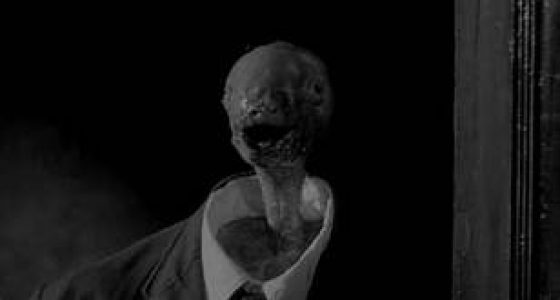

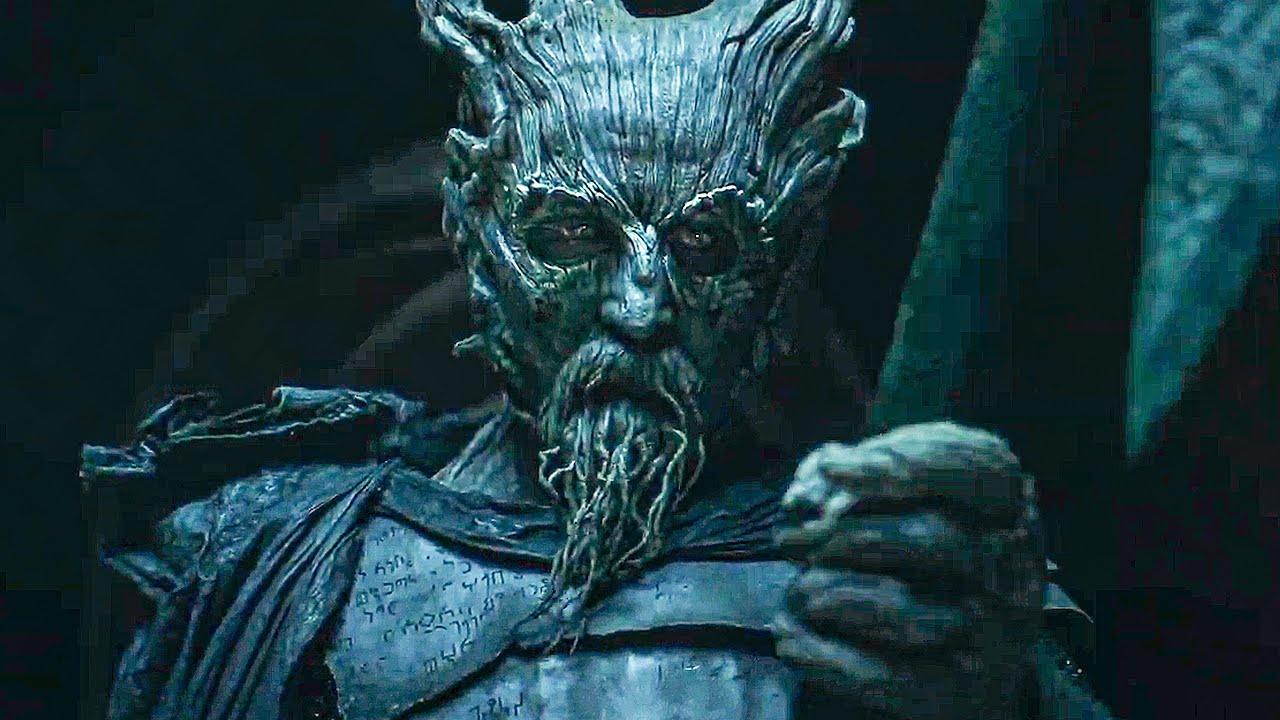

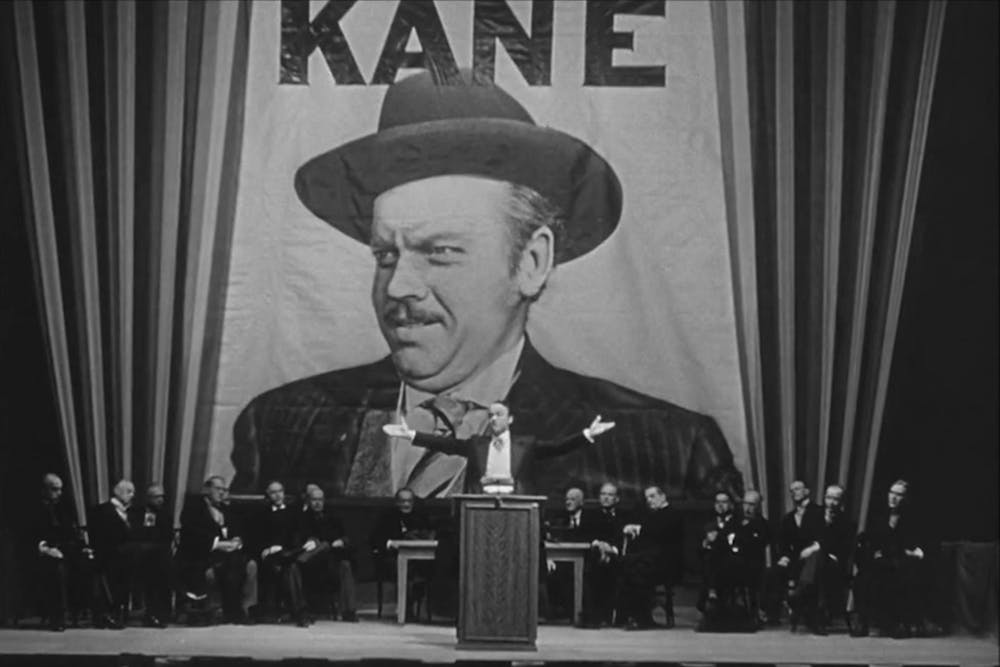


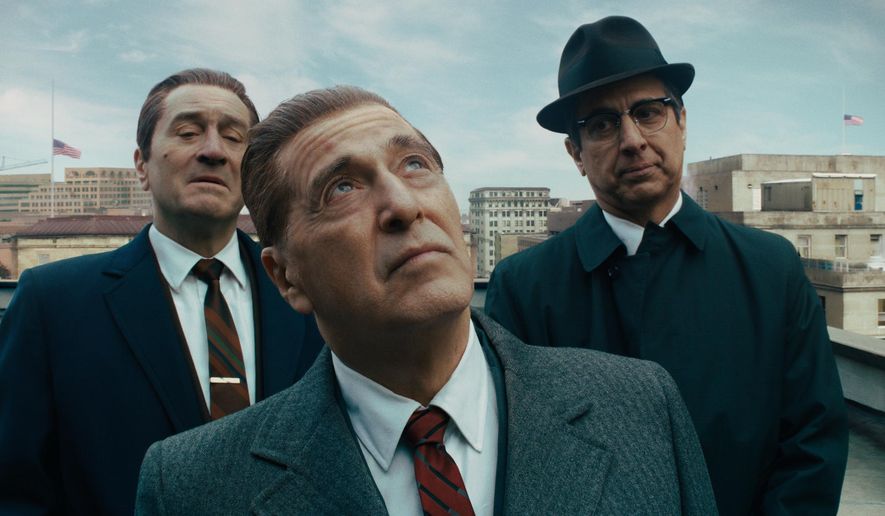
/cdn.vox-cdn.com/uploads/chorus_image/image/65024130/onceuponatime3.0.jpeg)

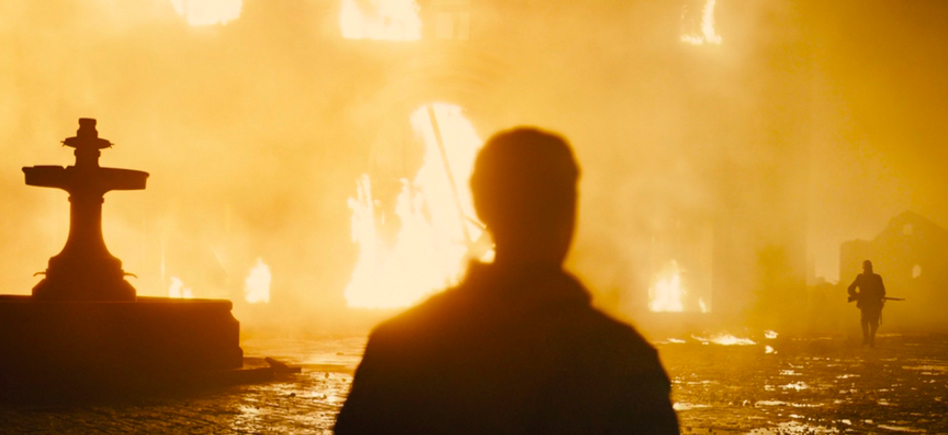
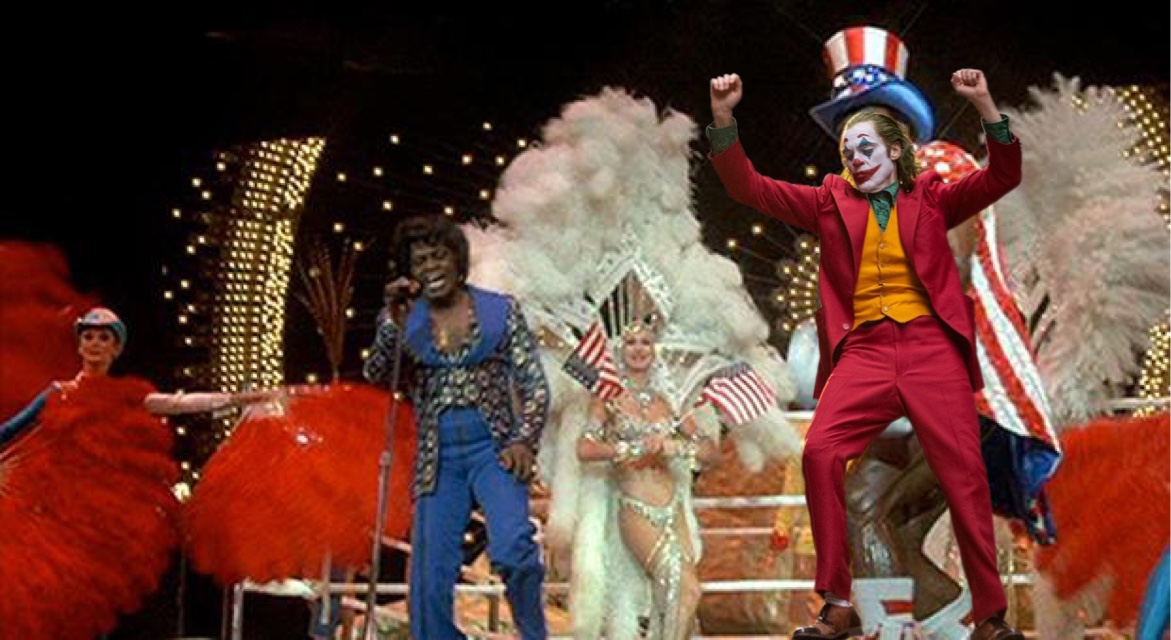

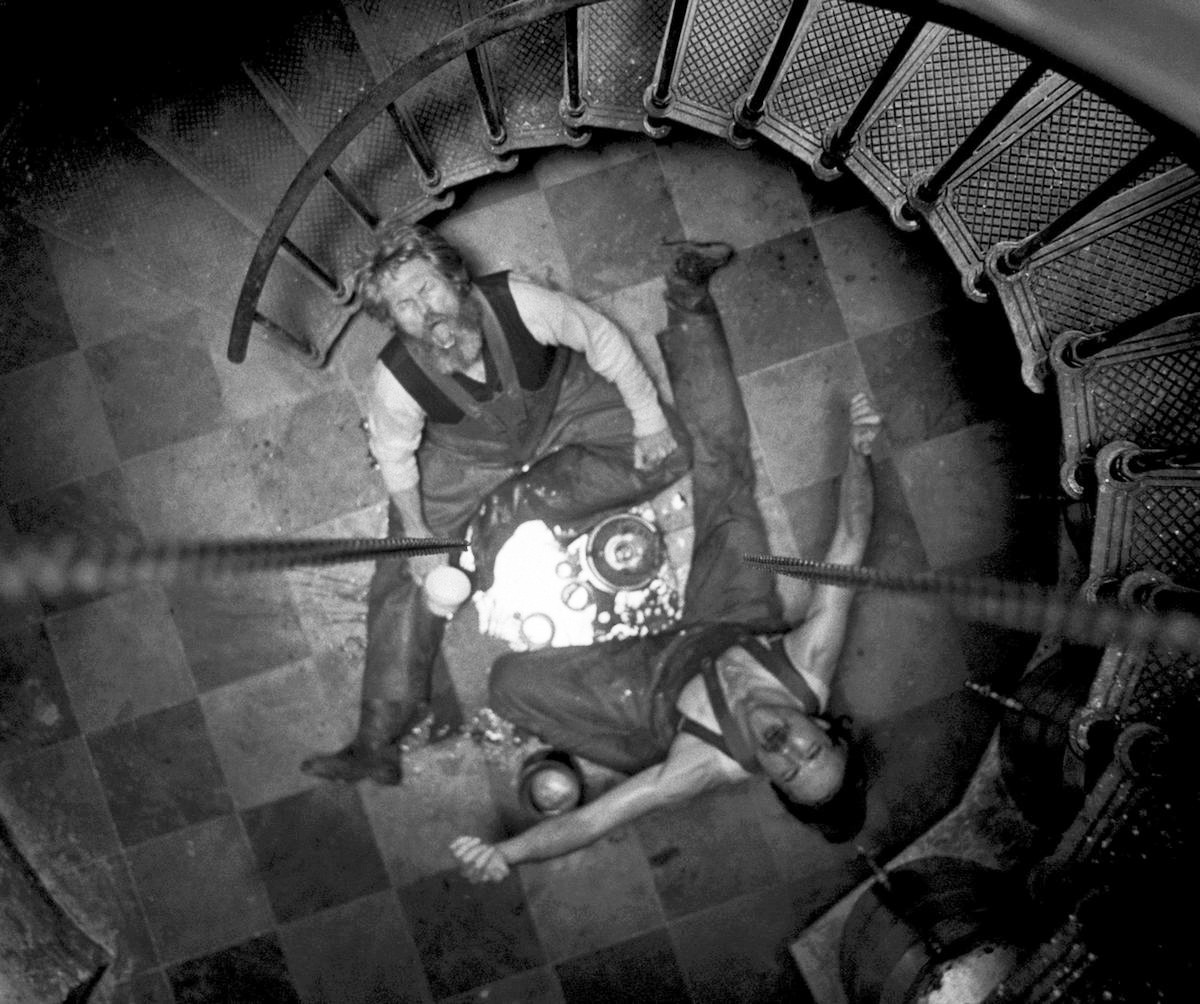
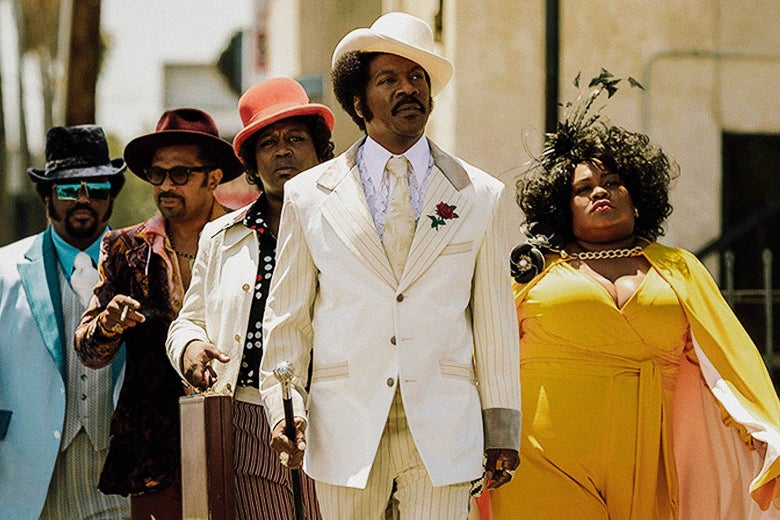


/cdn.vox-cdn.com/uploads/chorus_image/image/65939638/popes.0.jpg)


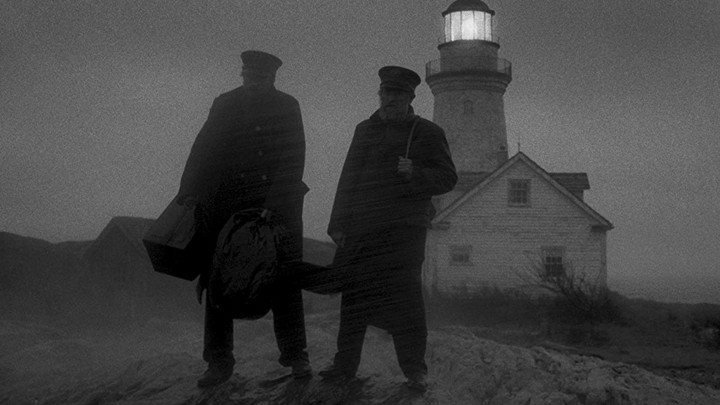
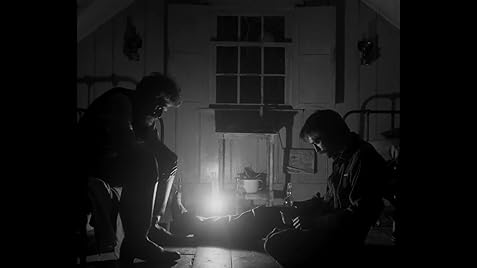

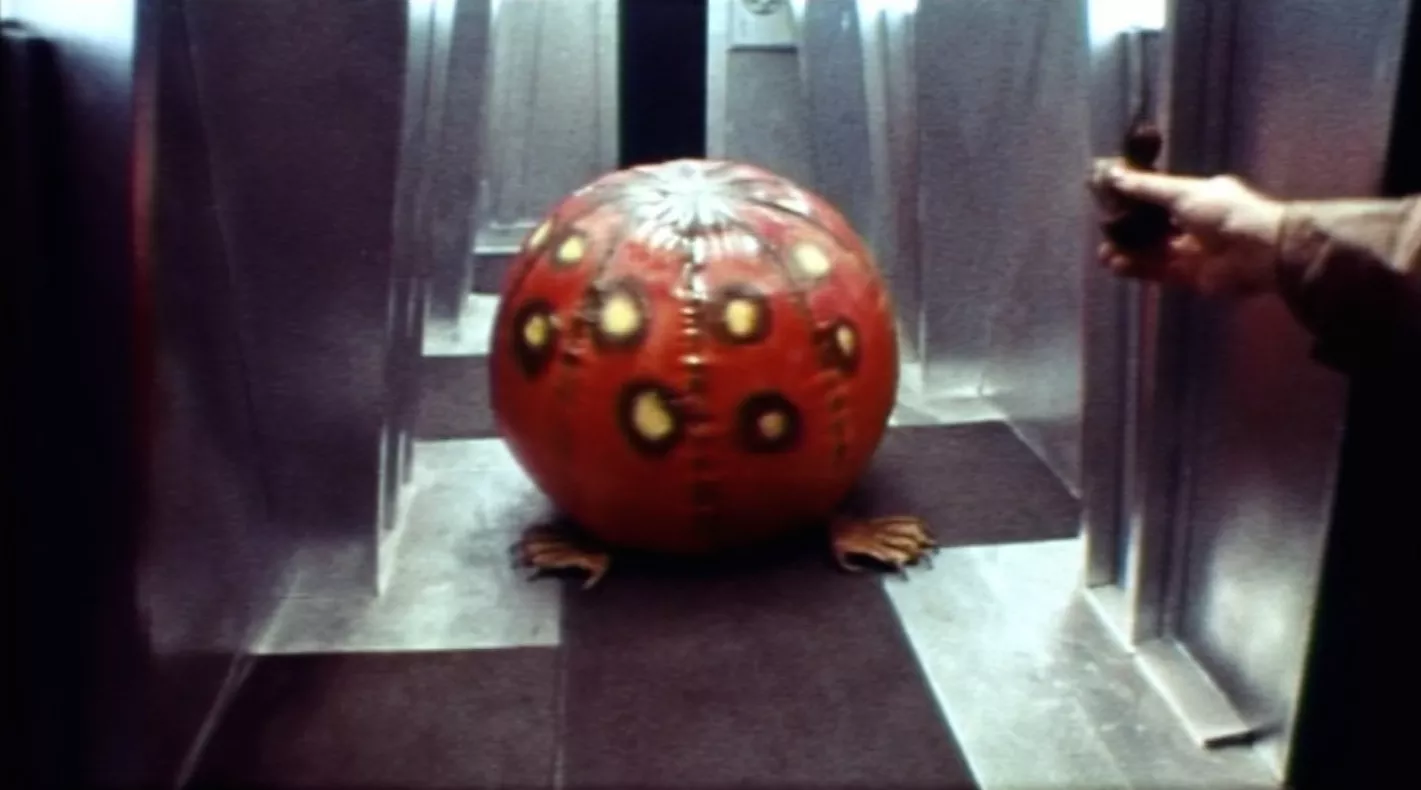


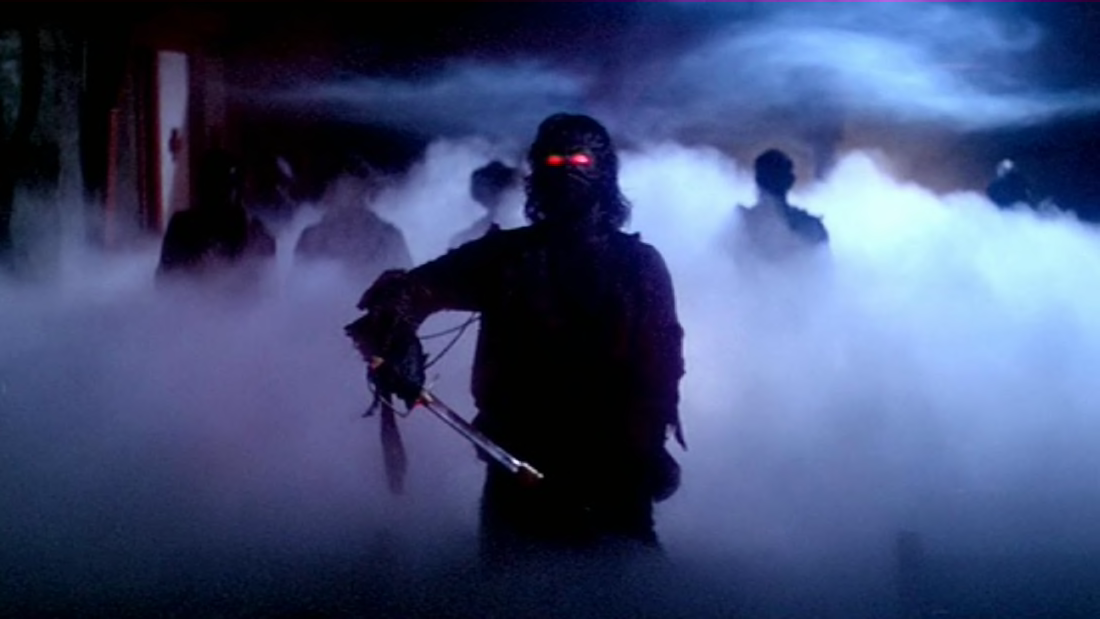


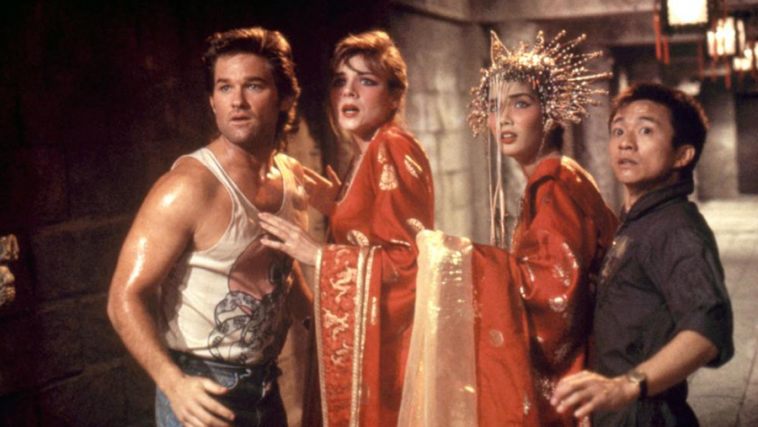
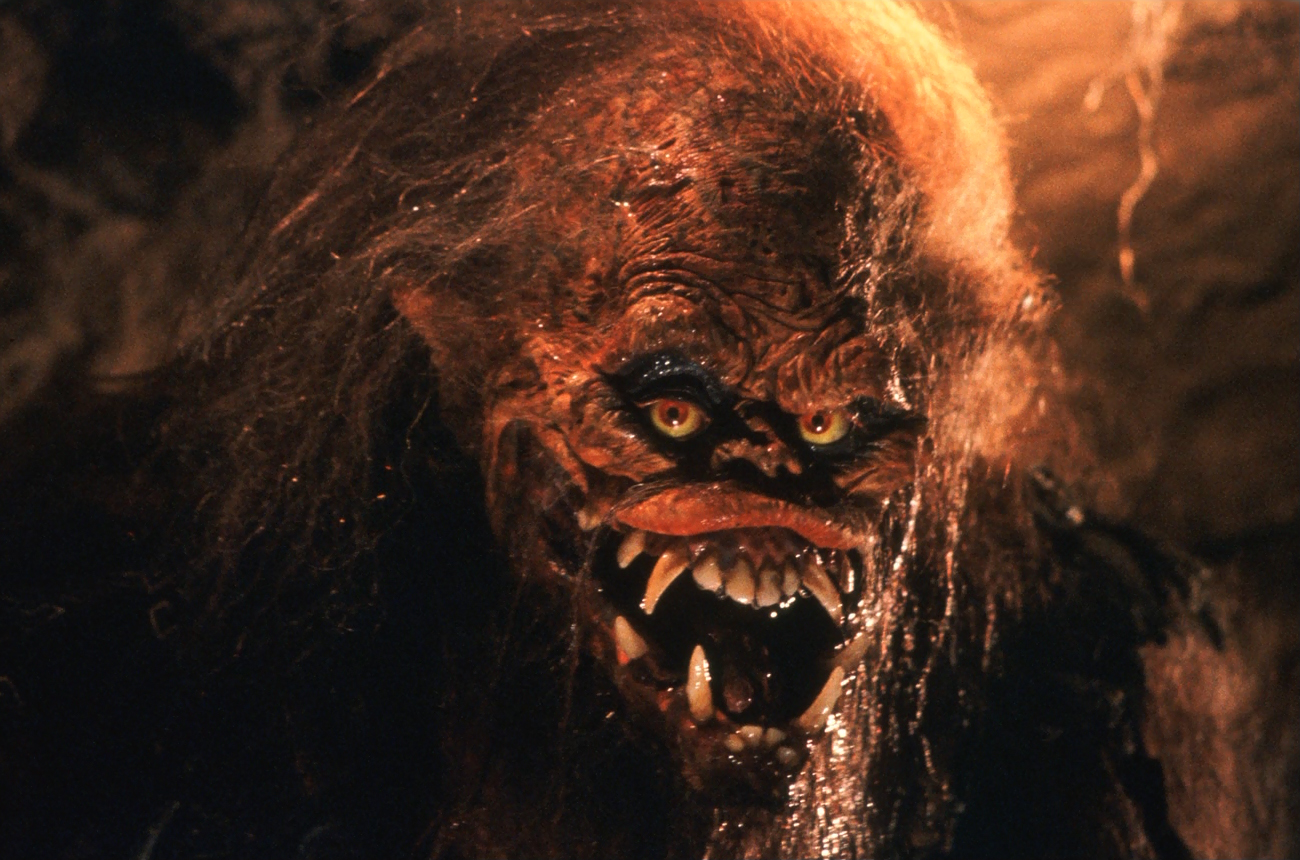


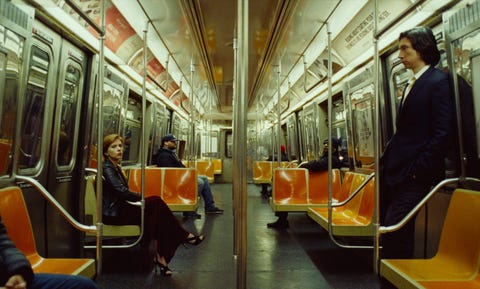


 The Movie Files