We’re here. Today, February 9th, is the day of the 92nd Academy Awards, which is always the best day of the year… until they start announcing the winners. But it’s always fun, in the run-up to the awards, to hope that the movie you’re rooting for has a chance. As I did last year, I watched all the nominees for Best Picture prior to the ceremony for the sake of completion. Having watched some bona fide masterpieces and sat through some utter garbage, I feel as though the disparity between potential victors is vast, enough that I feel the need to categorize the nominees into sections to illustrate the quality gap. But remember, whatever happens, it’s almost guaranteed to be a huge disappointment. So sit back, relax, and get furious at the outcome of the show.
The Nominees
Unforgivable Trash
This category may strike you as particularly harsh, but the films that inhabit it are fully deserving of this dubious honor. In a year with such tremendous works of art at the top of this category, it’s sad and yet poetic that there’s this level of garbage littering the bottom of the barrel. Anyway, here’s two movies that everyone loves!
9- Joker (dir. Todd Phillips)

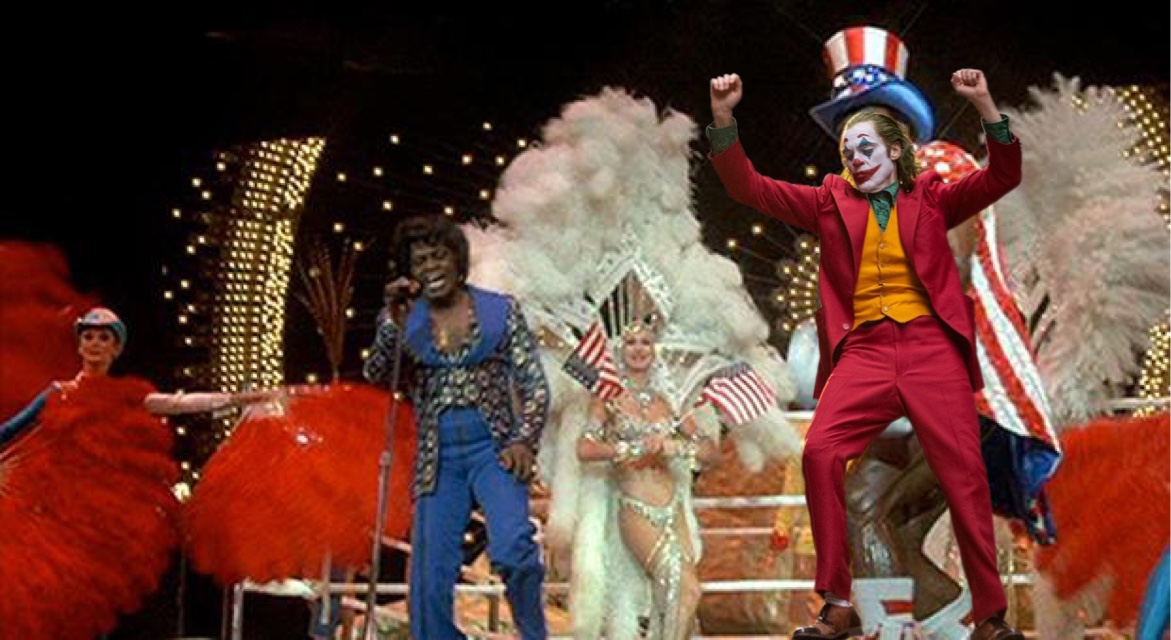
BBBBBBBBBBBBBBBBBBLLLLLLLLLLLLLLLLLLLLLLLLLLLLLLLLLLLLLEEEEEEEEEEEEEEEEEEEEEEEEEEEEEEEEECCCCCCCCCCCCCCCCCCCCCCCCCCCCCCCHHHHHHHHHHHHHHHHHHHHHHHHHH. Joker has to be the worst movie to ever amass this number of Oscar nominations. With 11 nods handed to this verifiable piece of trash, the success of Joker signals an unmistakable death knell for the film industry, one where intentionally derivative faux-inflammatory trash earns double digit Oscar nomination totals and a billion dollars at the box office while original masterpieces like Uncut Gems and Us get shut out. Joker represents everything wrong with movies today. It pretends as if it has some grand message about society, that it has an actual knowledge of cinematic history, that it’s above its superhero movie brethren. It follows none of this criteria. There’s no message here. Joker doesn’t have the guts to take a side or actually say anything meaningful, it simply tricks its audience into thinking it does by using dark cinematography, a foreboding score, an R rating, and a protest movement name (“Kill the Rich”) that was thought through for 3 seconds. Or maybe that’s giving it too much credit. Joker‘s cinematic knowledge is that it’s seen Taxi Driver like 10 times and didn’t understand it at all. It gleefully rips from that superior film in embarrassing fashion, even making a hamfisted and cringe-inducing nod to the “You talkin’ to me?” scene. It also drags Brian De Palma’s Blow Out into it via a theater marquee at the end, which depresses me to no end as not one, but two perfect films are now implicated in this train wreck. Worst of all, it pretends to be above its fellow superhero movies, yet never misses a chance to shoehorn in an unnecessary bit of fan service lore. A dumpster fire.
8- Jojo Rabbit (dir. Taika Waititi)

Oh, man. I may have put this above Joker, but it could really go either way. I’ve never seen a movie, not Green Book, not Crash, that has made me feel quite as gross as Jojo Rabbit. It’s technically fine, and Waititi is a very funny person, but that’s the problem. Waititi’s typical goofiness is not a fit for the material, especially as it starts descending into more serious territory. Jojo Rabbit takes a horrifying view of the atrocities at its center, which is that the perpetrators were victims as well. Sam Rockwell’s gay nazi is shown to be a sympathetic character because he’s gay and he helps Jojo avoid nazi persecution in one scene, but he’s still a nazi, one who enthusiastically and effectively serves a cause that seeks to destroy him and people like him. There is no possible sympathy for this character. Nor is there any for the German people who sat and watched the nazis take over, who the movie would like you to believe are the ones who truly suffered here. There’s a scene towards the end where “innocent” German citizens are herded into a losing battle, and you almost feel sorry for them. But it’s hard not to remember that these are people who watched Hitler rise to power and cheered him on. Then there’s the issue of the Jewish character (singular). Thomasin McKenzie’s Elsa, a Jewish girl who Jojo’s mother is hiding, is used strictly as a tool for Jojo to better himself as a person. She endures endless abuse at his hands, and just takes it, in the name of Jojo’s learning experience. It’s deeply depressing to watch this character just accept subservience so as to help a literal nazi. All around, Jojo Rabbit goes deeply wrong and ends up as a deeply dangerous take on the holocaust. Plus, the middle is boring. It lulls after the initial shock and ill-advised humor (by the way, the one good thing I can say for this movie is that some of the humor is good. The four testicles joke? Actually works. The rest of the film? Nope), and becomes kind of unwatchable. I can’t understand why this movie is so beloved. Moonrise Kingdom exists, guys.
It’s Good, I Guess
This category contains 1 film, and it’s one I’m not really sure what to make of. It begins with an hour and a half that is, simply put, bad. Then it recovers with a final hour that’s nothing short of great. so, welcome to the Oscar BP rankings version of purgatory…
7- Ford v. Ferrari (dir. James Mangold)

Like I said, the first half of this is deeply and aggressively Not Good. It drags, it refuses to go into its characters, the performances are weak, it focuses on the wrong stuff. Damon’s usual charisma and Bale’s usual brilliance are stifled. Then the big race starts, and it all starts working. Bale is unleashed in all of his glorious Britishness, Damon’s character becomes eminently watchable, and there’s an hour remaining of cars going really fast and the Home Depot ads guy (I still can’t believe that was him) villain-ing around. It’s cinema. But it takes too long to get there. So what does one do with Ford v. Ferrari? Where does it go? Does it deserve to be ranked with the truly great stuff on the basis of its second half alone? No, but it doesn’t deserve to be lumped in with the above abominations either. The comparison is Vice from last year- by turns insufferable and brilliant, alternating between depicting nothing of value and well done eye-opening stuff. So Ford v. Ferrari gets stranded here, in between the great and the garbage. If you want to have a good time and watch dudes drive around in fast cars, you could do much worse. Just stick it out until it gets there. If you’re looking for 2001: A Space Odyssey, this is not your thing.
Legitimately Great
Fortunately, the majority of this year’s nominees are, as the section header proclaims, legitimately great (or better). These are films that excel and astound, and definitely deserve their place among the nominees, even if they shouldn’t be anywhere near a win considering the kind of stuff that’s above them. Anyway, even if they’re not the best things up for awards tonight, these absolutely deserve your attention.
6- 1917 (dir. Sam Mendes)

While watching Sam Mendes’ (let’s be real here, it’s Roger Deakins’) 1917, you can’t help but feel a visceral reaction to what you’re seeing. The “how did they do that???” moments pile up as the film progresses, the clock ticks, and the tension escalates to an unbearable level. The credits roll and you have goosebumps, and then you leave the theater and someone mentions it 2 days later and you think “Oh yeah, I saw that”. 1917 is maybe the year’s foremost technical stunner, and that makes it a marvel to watch, but you’re left devoid of anything to really hold onto after the movie draws to a close. Now, does that make it a bad or even mediocre film? No, it’s under the “legitimately great” section. Sometimes all you can ask for in a film is a visceral experience that absolutely envelops you, regardless of how much you find yourself thinking about it later. Is it going to win Best Picture? Probably, and the fact that it shouldn’t will likely taint it further in everyone’s memory. But it’s a cool enough movie, and when you have people this talented (Deakins, the absolute GOAT) working at making it as good as it is, that’s enough.
5- Marriage Story (dir. Noah Baumbach)

Marriage Story is a good old-fashioned acting showcase, in which two of the planet’s finest go head to head, with the assistance of Noah Baumbach’s brilliant dialogue. It’s entertaining and emotional, it’s funny and sad, it’s got something for everyone. I’m shocked that, considering how much it feels tailor-made for the Oscars, it isn’t faring better, especially considering the preferential ballot. My bet is that the voting body didn’t like the less-than-glowing critique of Los Angeles offered by the film. Anyway, it’s great. Baumbach fans will find something to love, and it’s a great intro for newcomers. It’s also useful for letting people know just how great Adam Driver is (for those who haven’t seen Inside Llewyn Davis). It’s also gonna finally be Laura Dern’s Oscar. There are no downsides to this movie.
Utter Masterpieces
We now come to the Utter Masterpieces, works of staggering brilliance by modern auteurs that will all almost certainly get snubbed in favor of the 90 billionth war movie since 2010 (which I actually do like quite a bit, it’s just, you know, uggh). So without further ado, here are this year’s “too good for the Oscars” movies.
4- Little Women (dir. Greta Gerwig)

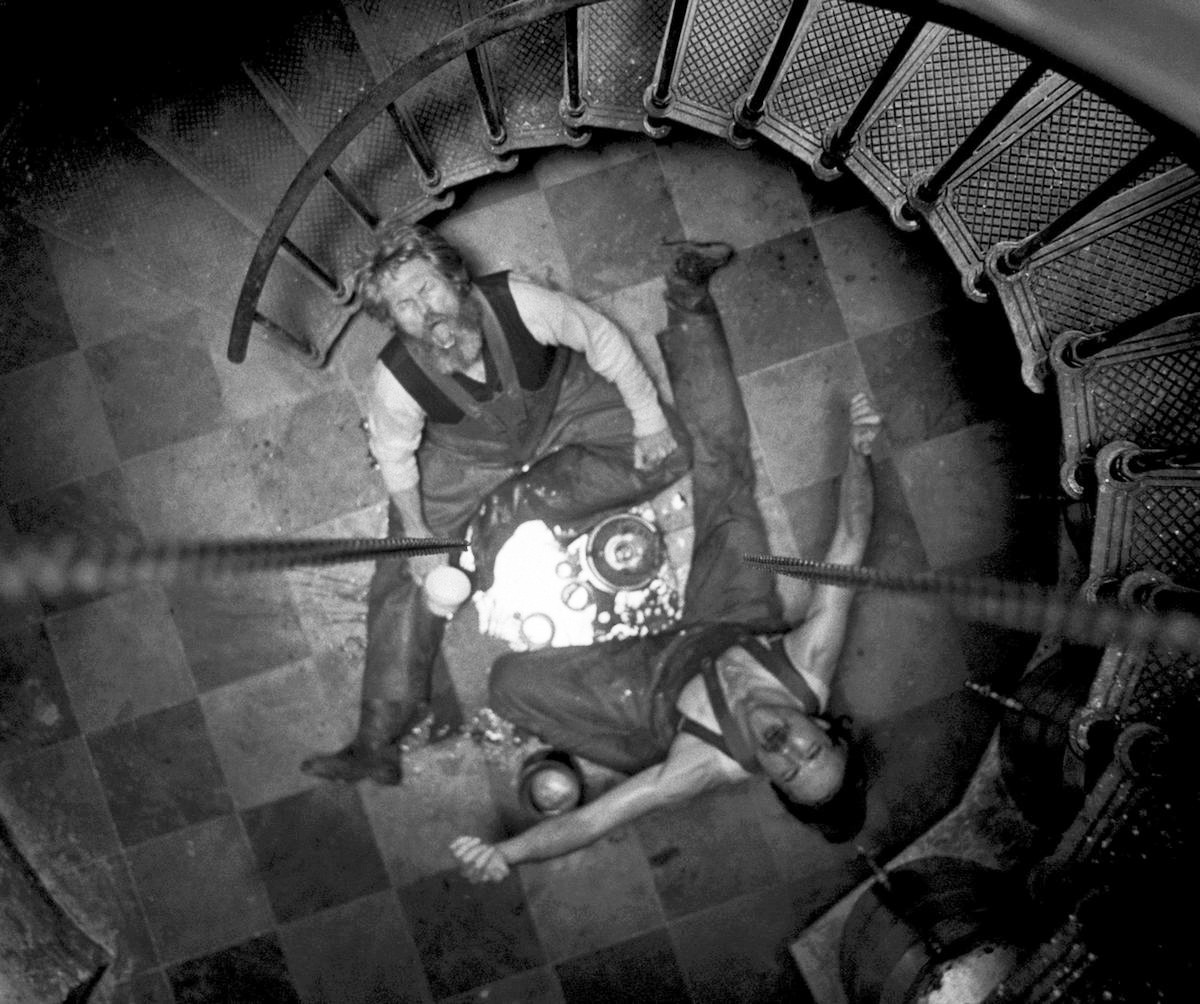
Gerwig’s Little Women is the only film in the BP field to represent one of 2019’s coolest cinematic trends: filmmakers following up their groundbreaking, masterful, cultural-event first features with sophomore efforts that are even better. Jordan Peele’s Us, Robert Eggers’ The Lighthouse, and Ari Aster’s Midsommar all fall into this category with Little Women, with the latter even sharing star Florence Pugh, who is absolutely incredible in both films. However, the real MVP of Little Women is Saoirse Ronan, who is very quickly establishing herself as maybe the best actress of her generation and here delivers possibly her career best. On a less-lighthearted note, it’s the only female directed film in competition, however it didn’t earn a best director nod (an absolute embarrassment). Little Women is spectacularly great from start to finish. Every performance is stellar, it’s technically flawless, and Gerwig’s writing and direction is nothing short of generational. She’s going to be a talent to watch for a very long time, and hopefully her film doesn’t go home empty handed tonight, as it appears it might.
3- The Irishman (dir. Martin Scorsese)
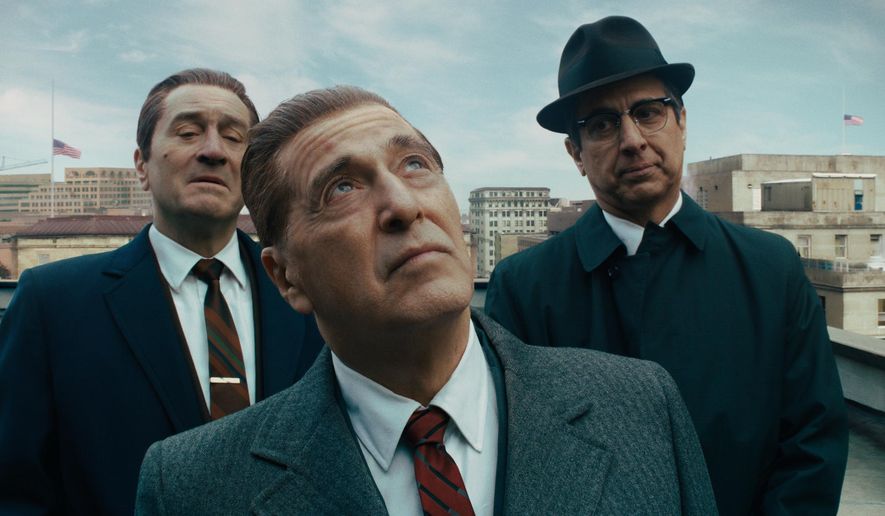
There were some who thought that it couldn’t work. Some delusional souls who thought that the greatest working director couldn’t pull of a 3 and a half hour work propelled by basically-retired actors and unproven visual effects. There are some who still believe it didn’t work. These people are fools. The Irishman is a late career opus from Scorsese, who returns to his known terrain of gangster movies to deliver a stunning meditation on mortality and the pitfalls of violence. It’s decidedly a rebuke of the mob culture people have accused him of glorifying, showing the (very) dark side of the lifestyle in heartbreaking fashion. Anchored by great performance after great performance, this film extracts De Niro’s best work in decades, Pacino’s best work since maybe Godfather II, and Pesci’s best work… ever? Maybe ever. This is all in addition to revelatory turns by Stephen Graham and Ray Romano, of all people. Plus, Anna Paquin sells her silence with a determined passion and her one verbal scene with a devastating deadpan resignation that would be the best single piece of acting in the whole thing, were it not for De Niro’s phone call immediately following it. Oh, and Pacino shouting “SOLIDARITY”. Brilliance. The Irishman ranks among one of the decade’s best films, and yet it feels like a possibility it goes home empty handed tonight. Only time will tell, fittingly enough.
2- Once Upon a Time in Hollywood (dir. Quentin Tarantino)
/cdn.vox-cdn.com/uploads/chorus_image/image/65024130/onceuponatime3.0.jpeg)
Quentin Tarantino’s latest sits in the top tier of his uniformly terrific body of work, which is no small feat. Neither is bringing out career best work from (presumptive best supporting actor winner) Brad Pitt and (greatest actor of his generation) Leonardo DiCaprio. It’s one of his best scripts, loaded with his typical dialogue and recurring motifs. But it’s a little jarring once you realize what, exactly, Once Upon a Time in Hollywood is: it strips away Tarantino’s trademark tension in favor of a more contemplative pace, content to just exist in L.A. circa 1969 with these characters. And that’s what makes the film so great, that atmosphere. Yes, there’s spots of typical Tarantino brilliance: the Spahn Ranch scene, that climax, and of course, the nostalgia-soaked sequence of the neon signs turning on set to the strings version of the Rolling Stones’ “Out of Time”. Let’s play it again, shall we?
Oh yeah. That’s the stuff. Hollywood is so typically Tarantino, yet so far from what he’s previously done, that you can’t help but look on with intense fascination and adoration. It’s mesmerizing and unique, and the Academy could do far worse than honor it tonight.
Parasite
This section contains Parasite.
1- Parasite (dir. Bong Joon-Ho)

There’s no way to sell this short: Parasite is by far the year’s best film, and would slot in over all time masterworks the likes of The Silence of the Lambs, The Apartment, and Annie Hall as one of the top 5 greatest winners in the history of the Best Picture award (the other 4, for reference, are both Godfather movies, Moonlight, and Casablanca). It is a beguiling, unclassifiable masterpiece. It is one of the most successful subtitled films of all time. It is like nothing you’ve ever seen before. If Joker represents the nadir of modern cinema, Parasite represents its apex. There is nothing I can possibly say that hasn’t already been said, nothing I can do that would convey just how great it is. If you’ve seen it, you know I’m right, if you haven’t, go see it. There’s nothing to do know but hope, pray to whatever god decides these things (quite possibly Bong Joon-Ho) that Parasite comes away with the Oscar for Best Picture.




 The Movie Files